White House Remains Bullish on AI Infrastructure Despite Midterm Pushback
The rapid expansion of artificial intelligence infrastructure is poised to forge ahead unabated, despite recent electoral hurdles that saw voters across numerous states back restrictions on new technological facilities. Administration officials have downplayed the impact of the midterm outcome, insisting that the pipeline of planned projects remains secure and that the broader economic momentum surrounding the sector cannot be easily derailed.
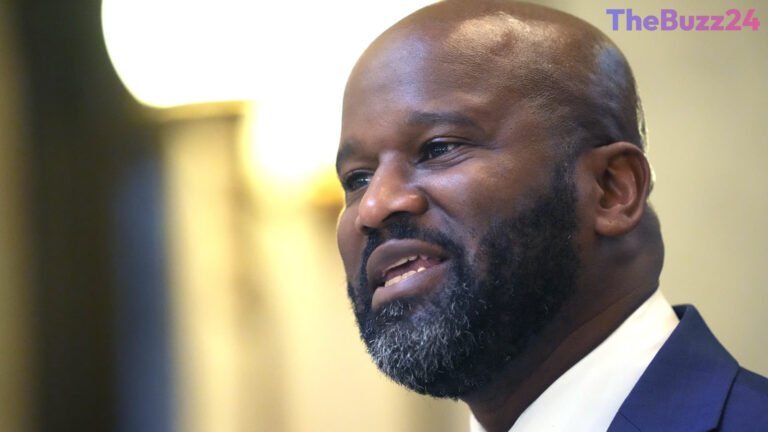
During recent public appearances, National Economic Council Director Kevin Hassett addressed the wave of ballot measures that sought to constrain the footprint of massive server hubs. Voters in a significant majority of local initiatives recently favored limiting the development of these energy-intensive structures. Nevertheless, policymakers maintain that the geographic vastness of the nation ensures ample room for continued development, particularly in jurisdictions with more receptive state leadership. Furthermore, proponents of the build-out suggest that as economic benefits become increasingly apparent, hesitant communities may eventually reconsider their stance on regulation.
The debate over digital infrastructure has quickly become a prominent political battleground, closely tied to broader ambitions for global technological dominance. While President Donald Trump has strongly championed the sector—even popularizing the term “super intelligence” to describe the next phase of innovation—polling indicates that public anxiety regarding resource consumption and local impact remains high. Market analysts attribute recent volatility in technology stocks partly to this growing regulatory uncertainty, yet administration officials remain confident that the underlying strength of the economy will sustain the unprecedented growth trajectory of the digital age.
Key Takeaways
- National Economic Council Director Kevin Hassett stated that planned data center projects remain unaffected by recent midterm ballot initiatives restricting development.
- Voters in a significant majority of local initiatives favored limiting data center growth, reflecting widespread public anxiety over infrastructure expansion.
- President Donald Trump continues to strongly back the sector, rebranding the technology as 'super intelligence' to emphasize its economic value.
Editor’s Analysis & Impact
The clash between local pushback and federal ambition highlights a growing friction in the rapid deployment of artificial intelligence infrastructure. While communities express legitimate concerns over power consumption, land use, and local disruption, the federal government views these facilities as critical to maintaining global technological hegemony. This dynamic creates a fragmented regulatory landscape where developers may increasingly bypass resistant states in favor of more welcoming jurisdictions. For the broader market, this means near-term volatility is likely to persist as investors price in regulatory hurdles. However, the sheer capital investment and strategic importance of AI ensure that the overarching expansion trend will remain robust, forcing a long-term reconciliation between local governance and national economic strategy.
Frequently Asked Questions
Q: How did midterm voters respond to data center development?
A: Voters in a significant majority of local initiatives on midterm ballots chose to restrict or limit the development of new data centers.
Q: What is the administration's stance on the future of AI infrastructure?
A: Administration officials remain highly optimistic, stating that scheduled projects are safe and that the sheer size of the country allows for continued growth in welcoming states.
Q: What term did President Trump use to rebrand the technology?
A: President Trump has referred to the technology as 'super intelligence' or 'SI' to emphasize its economic potential.
AI Disclosure: This article is based on verified data and official reports. Our Team and AI have cross-referenced every financial detail with primary sources to ensure total accuracy.
More from this Category