Big Tech Pivots to Democrats as AI Regulation Looms Post-Midterms
In the wake of recent midterm elections, major technology companies are recalibrating their political strategies, shifting focus towards building relationships with Democratic lawmakers. This pivot comes after a period where many Silicon Valley giants cultivated closer ties with the previous administration, benefiting from policies such as tax breaks, paused federal investigations, and a more relaxed approach to AI regulation. During that time, some tech firms scaled back diversity, equity, and inclusion initiatives, while executives contributed significantly to political action committees supporting allied candidates. However, companies like Meta faced substantial lawsuits and fines, and OpenAI encountered legal challenges alleging user harm from its technology.
The strategic realignment is evident in recent moves, such as OpenAI’s hiring of Jessica Schumer, daughter of Democratic Senator Chuck Schumer, and its rebranding of data centers as “compute campuses.” Experts suggest these actions are part of a broader effort to address an “optics problem” and engage with a Democratic-led agenda that promises increased oversight of artificial intelligence. Advocacy groups characterize these initiatives, including OpenAI’s partnership with the American Federation of Teachers and Meta’s America’s Workforce Academy, as “PR washing,” anticipating more such corporate-public partnerships. A Meta spokesperson emphasized the necessity of bipartisan engagement, stating that companies must work with the elected government to gain buy-in for their objectives.
However, not all observers are convinced of the efficacy of these late-stage pivots. Some analysts believe it might be “too late” for Big Tech to fully realign, suggesting companies should instead prioritize how their products genuinely improve people’s lives. The industry now faces a potentially tougher regulatory environment, with Democrats pledging to tighten AI oversight. This could manifest in a wave of new AI regulation bills and growing momentum for data center moratoriums. While political gridlock could slow federal action, much of the regulatory pressure is expected to emerge at the state level, where numerous states have already initiated lawsuits against tech companies and enacted their own laws concerning technologies like chatbots and deepfakes. The previous administration had established an AI Litigation Task Force to challenge state AI laws, advocating for innovation free from “cumbersome regulations,” yet states have continued to act.
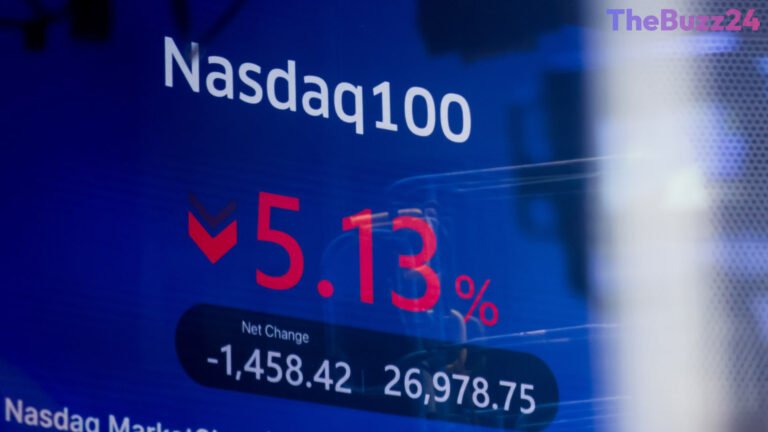
The evolving political landscape also carries significant market implications. Concerns about a potential “AI bubble pop” have surfaced, with some analysts linking the industry’s fortunes directly to political outcomes. A trillion-dollar market sell-off following the midterms reportedly led investors to reconsider major AI IPOs. Ultimately, for the foreseeable future, the regulatory framework governing AI and Big Tech may largely depend on a company’s operational location, with rules varying significantly across different states rather than being dictated solely by Washington.
Key Takeaways
- Big Tech is shifting its political engagement towards Democrats following the midterms, after previously fostering ties with the Trump administration.
- The industry faces increased scrutiny and potential tighter regulation on AI, with experts suggesting some recent moves are 'PR washing' rather than genuine change.
- Significant regulatory action is expected primarily at the state level due to potential federal gridlock, impacting areas like data center siting and AI governance.
Editor’s Analysis & Impact
The shift in Big Tech’s political strategy signals a critical juncture for the industry, moving from a period of relatively light regulation under the previous administration to anticipated stricter oversight from Democrats. This pivot introduces significant regulatory uncertainty, potentially leading to higher compliance costs and a more fragmented legal landscape as states take the lead on AI governance. The market impact could be substantial, with concerns about an ‘AI bubble pop’ highlighting investor sensitivity to regulatory changes. Companies will need to navigate a complex web of state-specific laws, which could either stifle innovation through varied requirements or foster more responsible development if regulations are thoughtfully crafted. The broader implication is a redefinition of the relationship between powerful tech entities and government, emphasizing accountability and societal impact over unfettered growth.
Frequently Asked Questions
Q: Why is Big Tech shifting its political strategy?
A: Big Tech is shifting its political strategy to rebuild ties with Democrats, who are expected to push for tighter AI oversight after the midterms, contrasting with the previous administration's more lenient approach.
Q: Where is most of the AI regulation expected to occur?
A: Most AI regulation is anticipated to occur primarily at the state level. This is due to potential federal gridlock and the fact that states have already demonstrated a willingness to enact their own tech laws and pursue legal action against companies.
Q: What are some of the concerns surrounding AI regulation?
A: Concerns surrounding AI regulation include the potential for an 'AI bubble pop,' the challenge of balancing fostering innovation with protecting consumers, and addressing critical issues such as data center siting, energy consumption, and the impact on jobs.
AI Disclosure: This article is based on verified data and official reports. Our Team and AI have cross-referenced every financial detail with primary sources to ensure total accuracy.
More from this Category