Tech Leaders Defend AI Infrastructure Growth Amid Post-Midterm Market Volatility
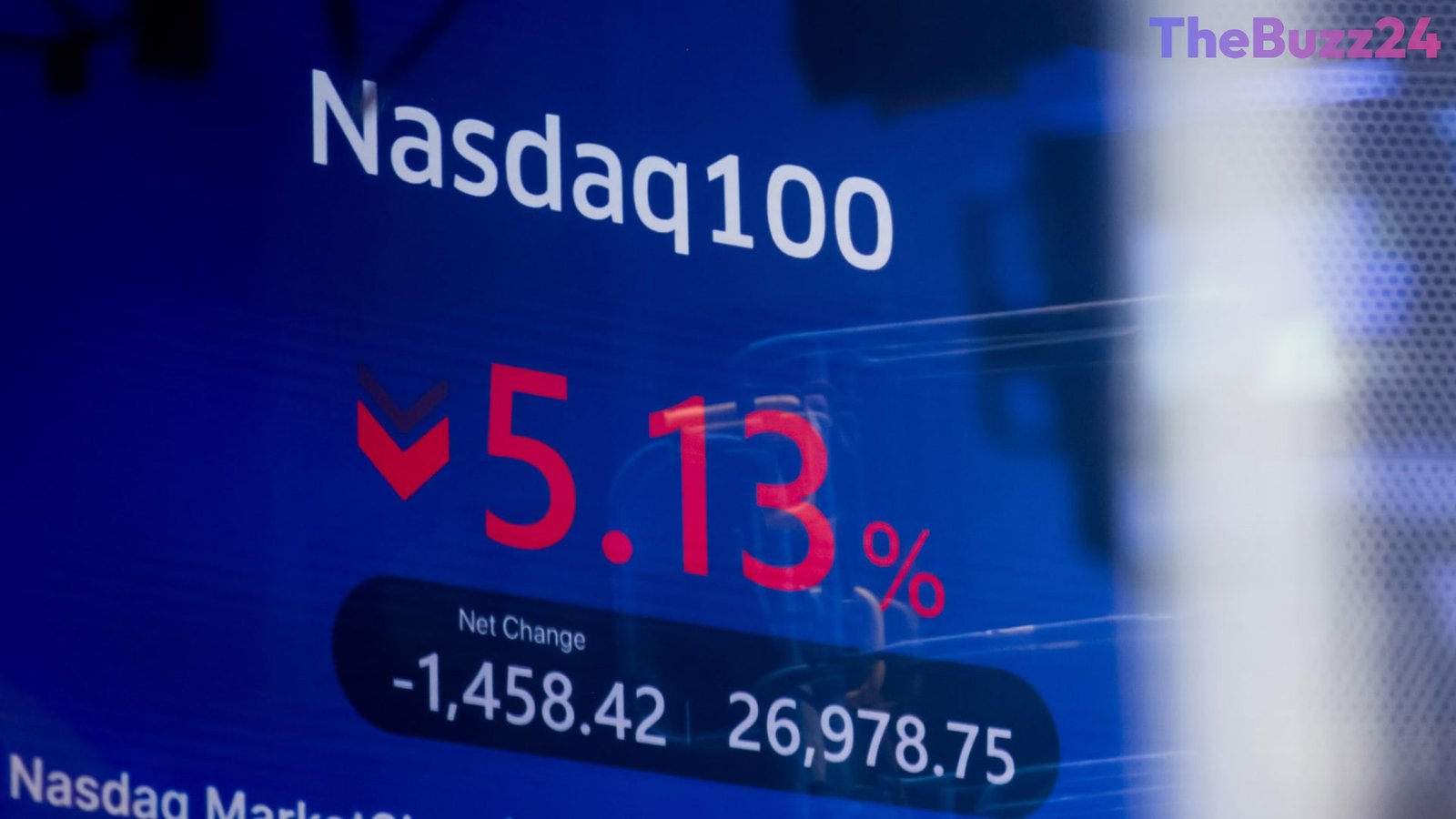
Major technology leaders are pushing back against market anxiety following the recent midterm elections, where a Democratic sweep of Congress and key governorships triggered fears of a data center slowdown and regulatory hurdles. Major stock indexes experienced severe turbulence, suffering their worst single-day drop since April 2025 before staging a partial recovery.
The market sell-off wiped over $1 trillion in aggregate market capitalization from the ‘Magnificent Seven’ tech giants. Investors grew concerned that new political leadership and local opposition to energy-intensive infrastructure might constrain the ongoing artificial intelligence boom. However, executives across the semiconductor, software, and AI sectors have dismissed these fears as short-sighted, maintaining that global demand for computing capacity remains robust.
Arm CEO Rene Haas emphasized that the United States must maintain its momentum in infrastructure investment to avoid falling behind international competitors. Meanwhile, OpenAI CFO Sarah Friar reaffirmed her company’s commitment to scaling data center capacity while proactively addressing local community concerns regarding electricity consumption. Other executives, including Qualcomm CEO Cristiano Amon and Box CEO Aaron Levie, noted that their diversified business models and relentless productivity gains will insulate them from localized regulatory headwinds and shifting market sentiments.
Key Takeaways
- Recent midterm election results sparked a massive tech sell-off over fears of data center regulations and a potential slowdown in AI investments.
- Executives from companies like OpenAI, Arm, and Qualcomm downplayed the market panic, labeling the fears as short-term reactions.
- Tech leaders reaffirmed their dedication to expanding infrastructure while addressing local community and energy concerns.
Editor’s Analysis & Impact
The recent market volatility highlights the growing sensitivity of financial markets to the intersection of politics, energy consumption, and technological infrastructure. As artificial intelligence demands unprecedented amounts of power and physical space, localized pushback and regulatory scrutiny are becoming significant variables for tech investors. However, the unified stance from industry leaders indicates that foundational investments in AI will persist despite short-term political shifts. Moving forward, the industry must proactively address community concerns regarding power grids and resource allocation to secure long-term social license for massive data center expansions, ensuring that political friction does not translate into permanent structural bottlenecks.
Frequently Asked Questions
Q: Why did tech stocks experience a sharp sell-off following the midterms?
A: Investors panicked over a Democratic sweep of Congress and state-level victories by candidates favoring data center regulations, fueling fears of a slowdown in AI infrastructure build-out.
Q: How are major tech executives responding to the market anxiety?
A: Leaders from companies like Arm, OpenAI, and Qualcomm have dismissed the sell-off as short-term thinking, emphasizing strong global demand and a continued commitment to expanding AI infrastructure.
Q: What specific community concern are AI companies looking to address?
A: Tech companies are increasingly focusing on local electricity consumption and grid capacity to ensure data centers do not negatively impact residential utility bills or local resources.
AI Disclosure: This article is based on verified data and official reports. Our Team and AI have cross-referenced every financial detail with primary sources to ensure total accuracy.
More from this Category