Kyiv Power Grid Crippled as Russia Unleashes Missile Barrage
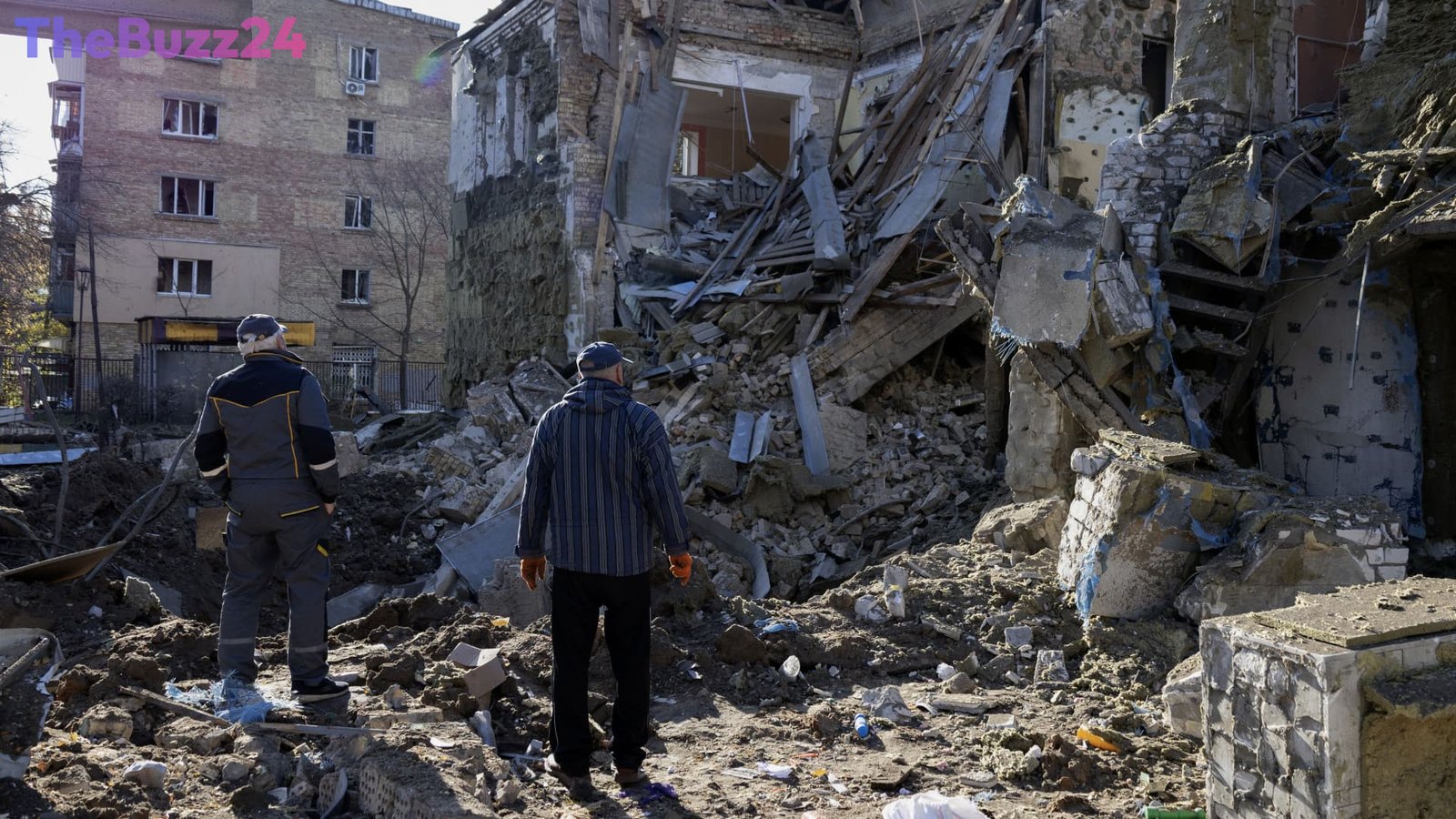
Russian forces launched a significant overnight assault targeting energy infrastructure in and around Ukraine’s capital, Kyiv, causing widespread power outages and disrupting heating services as winter temperatures approach. The attacks, which involved a barrage of ballistic missiles and drones, severely damaged key power facilities, including those supplying electricity from nuclear plants to the city and surrounding regions.
Explosions reverberated through Kyiv, with Mayor Vitali Klitschko reporting that the Northern Bridge crossing the Dnipro River sustained damage from the strikes. President Volodymyr Zelenskyy described the situation as facing “serious difficulties with its electricity, water, and heat supplies,” noting that substations in at least five other regions were also impacted. He indicated that a substantial number of the launched ballistic missiles, some of which he identified as North Korean-made, were not intercepted, underscoring the challenge in defending against these attacks.
The coordinated strikes resulted in casualties, with authorities reporting at least two fatalities and approximately a dozen injuries across Ukraine. Beyond the energy sector, residential buildings and commercial properties also suffered damage. Russia’s Ministry of Defence stated that its targets included elements of Ukraine’s military-industrial complex, alongside energy and transport infrastructure in the Kyiv area. This escalation follows a pattern of increased Russian air attacks as ground offensives have largely stalled, with a recent focus on targeting bridges within Kyiv to disrupt urban mobility.
Meanwhile, Ukraine reported conducting its own drone and missile attacks on several Russian regions, though Russian authorities stated these caused only minor damage and no casualties. The timing of these intensified attacks is notable, occurring just days before scheduled U.S.-brokered talks in Abu Dhabi involving both Ukrainian and Russian delegations, aimed at de-escalating the conflict. President Zelenskyy has expressed hopes for continued and strengthened support from the U.S. Congress following recent elections.
Key Takeaways
- Russia conducted a major overnight missile and drone attack on Kyiv's energy infrastructure, causing significant power and heating disruptions.
- The attacks damaged key substations and a major bridge, with President Zelenskyy highlighting serious supply issues.
- The strikes occurred shortly before scheduled peace talks in Abu Dhabi and amid Ukraine's calls for increased U.S. support.
Editor’s Analysis & Impact
This latest wave of Russian attacks on Ukraine’s energy grid represents a significant escalation, directly impacting civilian life as winter sets in. The targeting of power facilities, including those linked to nuclear plants, demonstrates a strategic effort to cripple Ukraine’s infrastructure and morale. The damage to bridges further complicates logistics and daily life in the capital. The use of North Korean-made missiles raises geopolitical concerns and highlights potential shifts in international military support for Russia. As peace talks loom, these aggressive actions could be aimed at strengthening Russia’s negotiating position or signaling defiance. The resilience of Ukraine’s power grid and its ability to secure further international aid will be critical in the coming months.
Frequently Asked Questions
Q: What infrastructure was targeted in the recent Russian attacks on Kyiv?
A: The primary targets were energy facilities, including power substations and systems supplying electricity from nuclear plants. A major bridge in Kyiv, the Northern Bridge, was also damaged, along with residential and commercial buildings.
Q: What is the significance of the upcoming talks in Abu Dhabi?
A: The talks are part of a U.S.-backed peace initiative and are scheduled to involve Ukrainian and Russian delegations. They aim to de-escalate the conflict, though previous rounds have yielded limited results. The timing of the attacks may influence the negotiation dynamics.
Q: What role did North Korean-made missiles play in the attacks?
A: President Zelenskyy stated that some of the ballistic missiles launched by Russia were North Korean-made and hit an important energy facility. This suggests potential military cooperation between Russia and North Korea.
AI Disclosure: This article is based on verified data and official reports. Our Team and AI have cross-referenced every financial detail with primary sources to ensure total accuracy.
More from this Category