NASA Launches $500,000 AMPERE Challenge to Revolutionize Satellite Propulsion
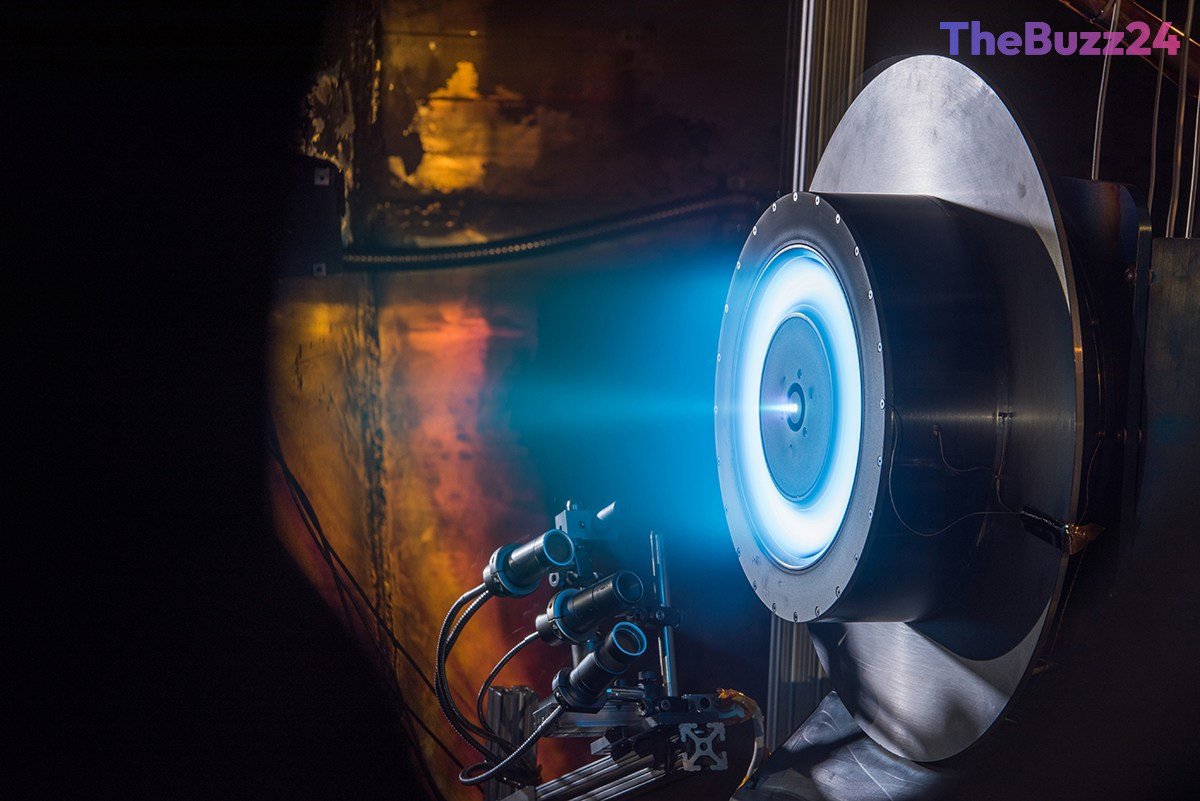
NASA has officially announced the Advanced Mid-Power Electric Rocket (AMPERE) Challenge, a new initiative designed to catalyze the development of mid-power Hall-effect thruster systems. By targeting the 3-7 kilowatt range, the space agency aims to bridge a critical gap in propulsion technology necessary for the next generation of satellite, defense, and deep-space exploration missions.
The challenge is specifically tailored to U.S.-based commercial enterprises, inviting them to design and demonstrate high-efficiency thruster prototypes. Hall-effect thrusters, which utilize electricity and inert gas to generate thrust, are increasingly viewed as the gold standard for small commercial satellites due to their superior fuel efficiency compared to traditional chemical rockets. By fostering innovation in this sector, NASA hopes to accelerate the maturation of these systems for both government and private-sector applications.
Participants in the AMPERE Challenge will compete for a total prize pool of $500,000, with up to two winning teams eligible for $250,000 each. Beyond the financial incentive, winners will gain invaluable access to NASA’s specialized testing facilities and technical expertise. Registration for the competition opens on November 9, 2026, and will remain open until January 27, 2027, marking a significant step toward enhancing the nation’s orbital infrastructure capabilities.
Key Takeaways
- NASA is offering $500,000 in total prize money to U.S. companies that develop advanced 3-7 kW Hall-effect thrusters.
- The AMPERE Challenge aims to improve propulsion efficiency for small commercial satellites and future exploration missions.
- Registration for the competition begins November 9, 2026, and concludes on January 27, 2027.
Editor’s Analysis & Impact
The AMPERE Challenge represents a strategic shift in how government agencies foster aerospace innovation. By incentivizing the private sector to refine mid-power electric propulsion, NASA is effectively outsourcing the R&D risk associated with high-efficiency thrusters while ensuring the resulting technology remains compatible with future mission architectures. This move is likely to lower the barrier to entry for commercial satellite operators, potentially leading to a more robust and sustainable orbital economy. As satellite constellations grow in complexity and number, the demand for reliable, fuel-efficient propulsion will only increase. This initiative not only accelerates technical readiness but also strengthens the domestic supply chain for critical space hardware, positioning the U.S. to maintain a competitive edge in the rapidly evolving commercial space sector.
Frequently Asked Questions
Q: Who is eligible to participate in the AMPERE Challenge?
A: The challenge is open to commercial companies that are incorporated in the United States and maintain their primary place of business within the country.
Q: What are the primary benefits for the winning teams?
A: Winning teams can receive up to $250,000 in cash prizes and will be granted access to NASA’s specialized testing facilities and technical resources to further validate their prototypes.
AI Disclosure: This article is based on verified data and official reports. Our Team and AI have cross-referenced every financial detail with primary sources to ensure total accuracy.
More from this Category