NASA Launches Global Search for Next Generation of Moon and Mars Explorers
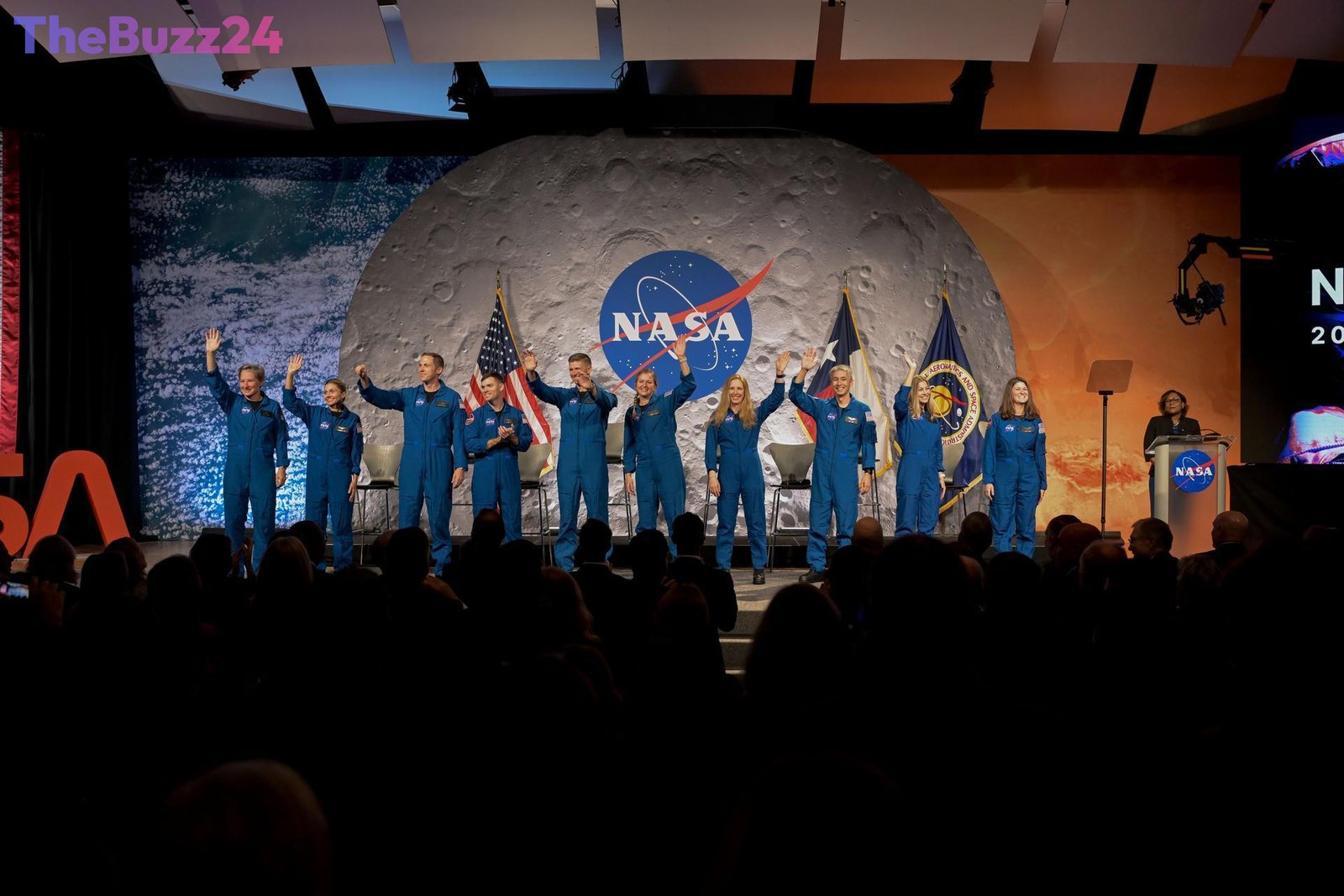
The National Aeronautics and Space Administration (NASA) has opened applications for its upcoming class of astronaut candidates, seeking individuals ready to embark on humanity’s next great leaps in space exploration. This recruitment drive comes at a pivotal moment as the United States prepares to return humans to the Moon, establish a sustainable lunar presence, and lay the groundwork for the first crewed missions to Mars. The selected explorers will undergo rigorous training to operate on the lunar surface, live and work beyond Earth, and push the boundaries of human exploration further than ever before.
Prospective candidates, who must be U.S. citizens, have until December 3rd to submit their comprehensive applications. NASA Administrator Jared Isaacman emphasized the extraordinary nature of this opportunity, stating that those chosen could walk on the Moon, contribute to the Lunar Base, and help develop the systems that will eventually transport crews to Mars. These demanding missions will require exceptional technical prowess, sound judgment, teamwork, and courage. Deputy Administrator Matt Anderson echoed this sentiment, inviting individuals to join “the greatest adventure humanity has ever embarked upon.”
The agency anticipates making its final selections in late 2027, with the new class commencing their intensive training shortly thereafter. This rigorous program will prepare them for spacewalks, lunar geology, high-performance aircraft operations, and more. Since the 1960s, NASA has chosen 370 individuals for astronaut training, with 32 active astronauts currently serving. The new recruits will join this elite group, contributing to a legacy of exploration that has consistently expanded human knowledge of Earth, the Moon, and beyond.
Basic eligibility criteria include a Master’s degree in a STEM field—such as engineering, biological sciences, physical sciences, or computer science—from an accredited institution. Equivalent qualifications, such as two years of a relevant doctoral program, a medical doctorate, or completion of a nationally recognized test pilot school (with a STEM bachelor’s), are also accepted. Additionally, applicants must possess at least three years of related professional experience post-degree. Pilots require specific flight hours, while medical professionals can count residency towards their experience. All candidates must pass NASA’s stringent long-duration spaceflight medical examination and demonstrate strong leadership, teamwork, and communication skills.
Key Takeaways
- NASA is recruiting its next class of astronauts for upcoming lunar and Martian missions, marking a pivotal moment in space exploration.
- Applicants must be U.S. citizens with a Master's degree in a STEM field (or equivalent) and at least three years of relevant professional experience.
- The selected candidates will train for groundbreaking missions, including establishing a human presence on the Moon and paving the way for crewed missions to Mars.
Editor’s Analysis & Impact
NASA’s call for new astronauts underscores a significant acceleration in global space exploration, particularly with the Artemis program aiming for a sustained human presence on the Moon. This initiative is not merely about scientific discovery; it’s a strategic move that promises to drive technological innovation, foster international collaboration, and potentially unlock new economic opportunities in the burgeoning space sector. The long-term vision of Mars missions positions the U.S. at the forefront of deep-space exploration, inspiring future generations in STEM fields. The rigorous selection process ensures that only the most capable individuals will undertake these challenging endeavors, reflecting a commitment to pushing human boundaries and expanding our understanding of the cosmos. The success of these missions will have profound implications for humanity’s future as a multi-planetary species.
Frequently Asked Questions
Q: Who can apply to be a NASA astronaut?
A: U.S. citizens with a Master's degree in a STEM field (or equivalent qualifications like two years of a relevant doctoral program, a medical doctorate, or completion of a recognized test pilot school with a STEM bachelor's) are eligible. Applicants also need at least three years of related professional experience.
Q: What are the primary missions these new astronauts will undertake?
A: The next generation of astronauts will be trained for missions returning to the Moon as part of the Artemis program, including establishing a human presence on the lunar surface. They will also lay the groundwork for the first crewed missions to Mars.
Q: What kind of training do astronaut candidates receive?
A: Astronaut candidates undergo nearly two years of intensive training covering a wide range of skills, including spacewalks, lunar geology, high-performance aircraft operations, robotics, Russian language proficiency, and complex systems operation.
AI Disclosure: This article is based on verified data and official reports. Our Team and AI have cross-referenced every financial detail with primary sources to ensure total accuracy.
More from this Category