Labor Department Proposes Stricter Work-Search Mandates for Unemployment Benefits
The U.S. Department of Labor has put forth a new proposal that would significantly increase the weekly work-search requirements for individuals seeking unemployment insurance benefits. Under the proposed rule, claimants would be mandated to document at least five distinct work-search activities each week to remain eligible for financial assistance. This move, championed by the Trump administration as a measure to enhance “integrity and accountability” within the unemployment system, has drawn criticism from consumer advocates who argue it will create substantial hurdles for job seekers.
Currently, the landscape of unemployment benefit requirements varies considerably across states, with most requiring fewer than five work-search activities per week. The proposed federal standard of five activities would represent a notable shift, potentially making it more difficult for many individuals to qualify for and maintain their benefits. While federal law mandates work-search requirements, states have historically been granted considerable discretion in setting the specifics, including the number of activities and the duration of benefits.
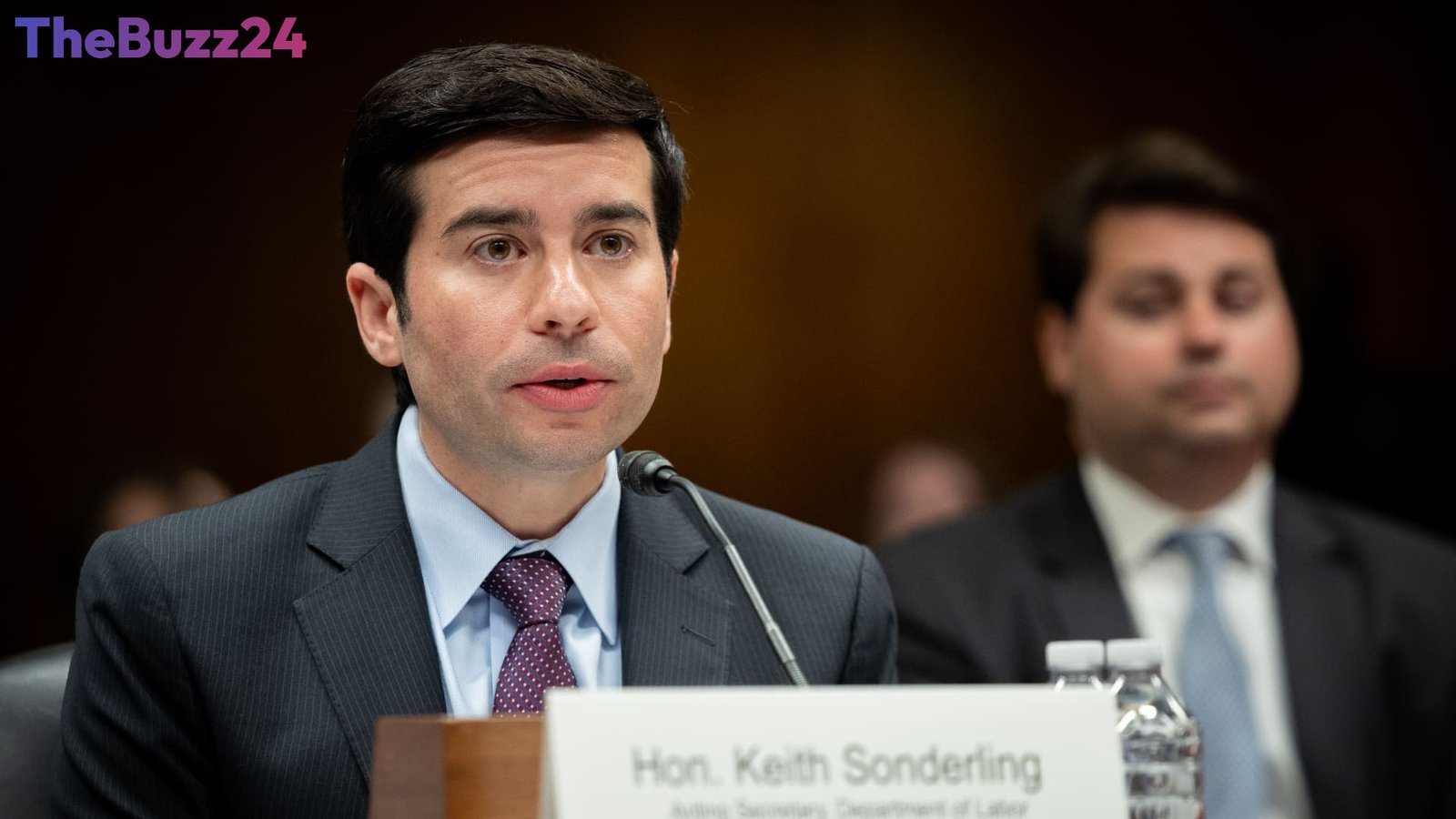
A qualifying work-search activity can encompass a range of actions, such as submitting job applications, updating professional profiles on job-search platforms, or participating in networking events, depending on state-specific guidelines. However, the new proposal aims to standardize and intensify these requirements nationwide. Labor Secretary Keith Sonderling stated that the rule is intended to help jobseekers find employment more rapidly and ensure the efficient use of taxpayer funds, emphasizing that unemployment insurance is designed as temporary support rather than a long-term income source.
Consumer advocates and organizations like the National Employment Law Project have voiced concerns that the proposed rule could disproportionately affect claimants, particularly in a job market characterized by low hiring rates and historically low layoff rates, which can limit available opportunities. They also point out the potential financial and administrative burdens on states, which may need to overhaul their systems and legal frameworks to comply with the new federal mandate. The proposal is now open for a 60-day public comment period, allowing stakeholders to provide feedback before any final decisions are made.
Key Takeaways
- The Labor Department has proposed a new rule requiring unemployment benefit claimants to complete five work-search activities weekly.
- The proposal aims to increase accountability and speed up job searches but faces criticism for potentially making it harder to qualify for benefits.
- Most states currently have fewer than five weekly work-search requirements, and the new rule could impose significant administrative costs on states.
Editor’s Analysis & Impact
This proposed shift in unemployment benefit regulations signals a significant tightening of the safety net, reflecting an administration’s focus on labor market participation and fiscal responsibility. By increasing the burden on claimants, the policy aims to incentivize faster re-employment, but it risks alienating job seekers facing challenging market conditions or those with limited access to five distinct search opportunities weekly. The potential administrative overhaul required for states highlights the complexities of federal mandates on state-run programs. The long-term impact could be a reduction in the duration of unemployment claims, but also increased hardship for those struggling to meet the new criteria, potentially exacerbating long-term unemployment figures.
Frequently Asked Questions
Q: What is the main change proposed by the Labor Department regarding unemployment benefits?
A: The Labor Department has proposed a rule that would require individuals receiving unemployment insurance to complete and report at least five work-search activities each week to continue receiving benefits.
Q: Why is the Trump administration proposing these stricter rules?
A: The administration frames the proposal as a way to improve the "integrity and accountability" of the unemployment insurance system and to encourage jobseekers to find employment more quickly.
Q: What are the potential consequences of this proposal?
A: Consumer advocates and others argue that the stricter requirements could make it more difficult for many people to qualify for unemployment benefits, especially in a challenging job market. Additionally, states may face significant costs to update their systems and laws to comply with the new rule.
AI Disclosure: This article is based on verified data and official reports. Our Team and AI have cross-referenced every financial detail with primary sources to ensure total accuracy.
More from this Category