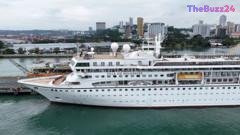
Global Cruise Dream Docks Permanently: The Odyssey Seized in Singapore Amid Financial Collapse
The Odyssey, a residential cruise ship that promised a multi-year, round-the-world voyage, has been seized in Singapore following the financial collapse of its U.S.-based operator, Villa Vie Residences. The vessel, which departed from Belfast in October 2024 with ambitions of taking guests on a three-and-a-half-year journey across 150 countries, is now anchored in Singapore port waters under a court order.
Approximately 200 passengers were left stranded last month in Sihanoukville, Cambodia, after Villa Vie Residences abruptly suspended operations. The company cited “extraordinary increases in fuel costs” as the primary reason for its financial difficulties. The crew members remaining onboard are reported to be in good condition, with their welfare and wellbeing currently being managed by the vessel’s creditors. Singaporean law firm Helmsman LLC has been identified as the “arresting solicitor” in the case.
The ambitious cruise concept offered passengers various options, including outright cabin ownership ranging from $120,000 to $440,000, five-year residencies, or monthly rentals starting at $3,500. Despite the grand vision, the voyage was plagued with issues from its inception, including a four-month delay due to repairs and paperwork. Reports also indicated earlier financial troubles, such as crew members purchasing food from local stores in Vietnam because the company owed money to a vendor, and prior warnings to passengers about financial instability, even soliciting funds to keep the cruise operational during an earlier stop in Singapore.
The escalating fuel prices, particularly in parts of Asia, saw monthly fuel costs per cabin surge from $1,800 to as much as $8,000. Villa Vie Residences stated it had implemented “significant steps to reduce fuel consumption,” but these measures proved insufficient to offset the dramatic increase. The company had also been working with residents to arrange temporary living accommodations while the ship was in Cambodia, prior to its seizure.
Key Takeaways
- The Odyssey, a long-term residential cruise ship operated by Villa Vie Residences, has been seized in Singapore following the company's financial collapse.
- Around 200 passengers were stranded in Cambodia after operations were suspended due to "extraordinary increases in fuel costs," exacerbated by geopolitical events.
- The vessel faced numerous issues from its inception, including significant delays, vendor payment problems, and prior warnings of financial instability to passengers.
Editor’s Analysis & Impact
The seizure of The Odyssey highlights the inherent risks and financial fragility within the niche market of long-term residential cruises. This incident will likely make both investors and consumers more cautious about similar ambitious ventures, particularly those with high operational overheads susceptible to volatile global commodity prices like fuel. The broader implications suggest a need for more robust financial planning, transparent communication with passengers, and potentially stricter regulatory oversight for such extended travel models. It serves as a stark reminder that even luxury travel is not immune to economic pressures and geopolitical instability, underscoring the importance of contingency planning in an unpredictable global environment.
Frequently Asked Questions
Q: What was The Odyssey cruise?
A: The Odyssey was a residential cruise ship operated by Villa Vie Residences, designed for a three-and-a-half-year, round-the-world voyage covering 150 countries, offering passengers options to buy or rent cabins for long-term living at sea.
Q: Why was The Odyssey seized?
A: The ship was seized in Singapore under a court order after its operator, Villa Vie Residences, suspended operations due to "extraordinary increases in fuel costs," leading to financial difficulties and the stranding of passengers.
Q: What happened to the passengers and crew?
A: Approximately 200 passengers were disembarked in Cambodia. The crew onboard are reported to be well, with arrangements for their welfare and wellbeing being managed by the vessel's creditors.
AI Disclosure: This article is based on verified data and official reports. Our Team and AI have cross-referenced every financial detail with primary sources to ensure total accuracy.
More from this Category