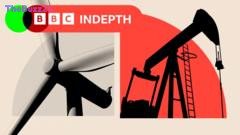
Global Energy Tug-of-War: US Fossil Fuels vs. China’s Renewables and Your Rising Bills
The global energy landscape is increasingly defined by a strategic contest between the United States and China, a dynamic that is directly impacting household energy bills worldwide. As nations grapple with the dual challenges of energy security and climate change mitigation, the divergent approaches of these two superpowers are creating a complex environment for countries like the UK, which finds itself caught in the middle.
While the US is championing a strategy centered on increasing fossil fuel production and exports, China is aggressively expanding its dominance in renewable energy technologies. Beijing is flooding global markets with solar panels, batteries, and electric vehicles, positioning itself as the primary supplier for the world’s transition away from traditional energy sources. This ideological and economic battle over the future of energy is playing out on the international stage, with significant implications for global energy prices and the pace of decarbonization efforts.
The United Kingdom, for instance, is experiencing the direct consequences of this geopolitical energy struggle. Forecasts indicate a substantial increase in typical household energy bills in the coming months, exacerbated by global supply disruptions and geopolitical tensions. The nation’s reliance on imported energy, often from volatile regions, coupled with its own North Sea production decline, leaves it vulnerable to price shocks. Decisions on approving new domestic fossil fuel projects, such as the controversial Jackdaw and potentially Rosebank gas fields, are being weighed against the imperative to invest in homegrown clean energy, a sector heavily influenced by Chinese manufacturing.
This strategic competition highlights a critical dilemma: how to ensure affordable energy for citizens while simultaneously meeting ambitious climate targets. The UK’s recent decision to block a Chinese-backed wind turbine factory, citing national security concerns, exemplifies the intricate balancing act. While prioritizing domestic energy security and climate action, the nation must navigate its dependence on Chinese renewable technology and the broader geopolitical implications of its energy choices. The outcome of this superpower energy battle will undoubtedly shape future energy costs and the planet’s ability to combat climate change.
Key Takeaways
- The US and China are engaged in a global energy competition, with the US promoting fossil fuels and China leading in renewable energy technology.
- This geopolitical energy dynamic is contributing to rising energy bills for consumers worldwide, including in the UK.
- Countries are facing a difficult choice between securing affordable energy and meeting climate change commitments, often navigating complex supply chains and national security concerns.
Editor’s Analysis & Impact
The escalating energy superpower rivalry between the US and China presents a significant inflection point for the global economy and climate action. The US’s focus on fossil fuel dominance, while potentially offering short-term price stability for some, risks entrenching carbon-intensive infrastructure. Conversely, China’s aggressive expansion in renewables, though crucial for decarbonization, raises concerns about supply chain dependencies and geopolitical leverage. For nations like the UK, this creates a precarious balancing act: securing affordable energy now versus investing in a sustainable, yet potentially more complex, clean energy future. The long-term implications hinge on whether this competition fosters innovation and accelerates the energy transition or leads to further fragmentation and increased costs for consumers and industries alike.
Frequently Asked Questions
Q: How are the US and China's energy strategies different?
A: The US is primarily focused on increasing its production and export of fossil fuels like oil and natural gas. In contrast, China is dominating the global market for renewable energy technologies, such as solar panels, batteries, and electric vehicles, positioning itself as the key supplier for the global energy transition.
Q: Why are energy bills expected to rise?
A: Energy bills are rising due to a combination of factors, including geopolitical tensions that disrupt global energy supplies (like the Strait of Hormuz closures), increased demand during winter months, and the ongoing global competition between major energy producers and technology suppliers. Europe's low gas storage levels also contribute to price volatility.
Q: What is the dilemma faced by countries like the UK regarding energy policy?
A: Countries like the UK face a dilemma in balancing the need for affordable energy for their citizens with the urgent requirement to cut carbon emissions and combat climate change. They must decide whether to invest in domestic fossil fuel extraction, which may offer short-term price relief but exacerbates climate issues, or to accelerate investment in renewables, which often involves reliance on foreign supply chains (particularly from China) and significant upfront costs.
AI Disclosure: This article is based on verified data and official reports. Our Team and AI have cross-referenced every financial detail with primary sources to ensure total accuracy.
More from this Category