The Hidden Complicity: How Modeling Agencies Facilitated Access to Jeffrey Epstein
New evidence has emerged detailing how prominent modeling agencies and industry figures played a critical role in providing Jeffrey Epstein with access to young women, even after his initial conviction for sex offenses. Survivors are now speaking out, alleging that their own representatives knowingly placed them in harm’s way by sending them to Epstein’s residences under the guise of professional photoshoots. These accounts suggest that the industry’s infrastructure was used to identify and recruit vulnerable targets for the convicted financier.
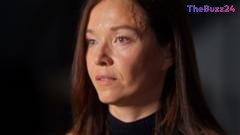
One survivor, who arrived in the United States from Uzbekistan at age 18, recounted being sent by her agency, MC2 Model Management, to Epstein’s Palm Beach home in 2009. Despite Epstein being a registered sex offender at the time, the agency allegedly facilitated these visits, with internal records indicating that agency leadership was well aware of her location. The survivor describes these sessions as staged, noting the absence of professional photographers or stylists, and claims they served as a gateway to her eventual exploitation as an assistant—a role that other victims have identified as a common ruse used by Epstein to maintain control over his victims.
Legal documents and internal communications have further illuminated the depth of these relationships. Files released by the Department of Justice reveal that Epstein provided significant financial backing to MC2, despite public denials of any professional connection. Furthermore, testimony points to the involvement of other high-profile industry figures, including former agents and agency directors, who allegedly connected models to Epstein. While some of these individuals claim they were misled by Epstein’s manipulation, advocates and lawmakers are now pushing for legislative changes to hold those who facilitated or ignored the abuse accountable for their role in the trafficking network.
As the conversation around accountability grows, there is a renewed push for legal reform. New York State Senator Zellnor Myrie has introduced legislation aimed at expanding the power of law enforcement to investigate those who enabled Epstein’s activities. For the survivors, the goal is clear: to dismantle the systems of silence and complicity that allowed predatory behavior to flourish within the fashion industry, ensuring that those who acted as gatekeepers for abusers are finally held to account.
Key Takeaways
- Modeling agencies allegedly acted as recruiters for Jeffrey Epstein, knowingly sending young models to his properties for exploitation.
- Internal documents reveal significant financial ties between Epstein and modeling agencies, contradicting previous public denials of any relationship.
- New legislative efforts are underway to hold 'enablers' accountable, targeting those who facilitated access to victims under the guise of professional opportunities.
Editor’s Analysis & Impact
The revelations regarding the intersection of the modeling industry and Jeffrey Epstein’s trafficking network highlight a systemic failure in corporate oversight and ethical responsibility. By acting as gatekeepers, these agencies effectively weaponized their professional authority to bypass the natural defenses of young, often foreign-born models. The market impact of these findings is significant; it forces a reckoning within the fashion industry, likely leading to stricter vetting processes, increased transparency in agency-client relationships, and potential class-action litigation. The future outlook suggests a shift toward more rigorous regulatory scrutiny of talent management firms. If legislation like the bill proposed by Senator Myrie gains traction, it could set a legal precedent that expands the definition of ‘complicity’ in human trafficking cases, forcing industries that act as intermediaries to assume greater liability for the safety of their clients.
Frequently Asked Questions
Q: How did modeling agencies allegedly assist Jeffrey Epstein?
A: Agencies are accused of sending young models to Epstein’s homes for staged photoshoots, which served as a recruitment tactic to isolate the women and eventually coerce them into becoming his assistants.
Q: Are there legal consequences for the agencies involved?
A: While many individuals involved have denied knowledge of the abuse, there is currently a push for new legislation in New York that would grant police greater authority to investigate and prosecute those who knowingly facilitated Epstein’s access to victims.
AI Disclosure: This article is based on verified data and official reports. Our Team and AI have cross-referenced every financial detail with primary sources to ensure total accuracy.
More from this Category