Gravitational Wave Observatory LISA Could Uncover Hidden Exoplanet Populations in Binary Star Systems
Groundbreaking research highlights a novel method for identifying deep-space exoplanets using space-time ripples rather than traditional optical light. The Laser Interferometer Space Antenna (LISA), an upcoming space-based observatory scheduled for launch in the mid-2030s, is engineered to detect gravitational waves generated by accelerating massive bodies. New findings demonstrate that LISA will be capable of discovering a previously unmapped population of alien worlds orbiting tightly bound double white dwarf stars across the Milky Way galaxy.
Binary white dwarfs—dense, Earth-sized stellar remnants revolving in close orbits—produce near-constant gravitational wave signals. When a planet orbits within one of these binary systems, its gravity causes the host stars to execute a subtle wobble. This reflex motion imparts a Doppler shift onto the continuous gravitational wave emission, producing distinct secondary frequency signals known as sidebands. Astrophysicists note that these sideband frequencies effectively encode details regarding the unseen exoplanet’s presence, mass, and orbital dynamics.
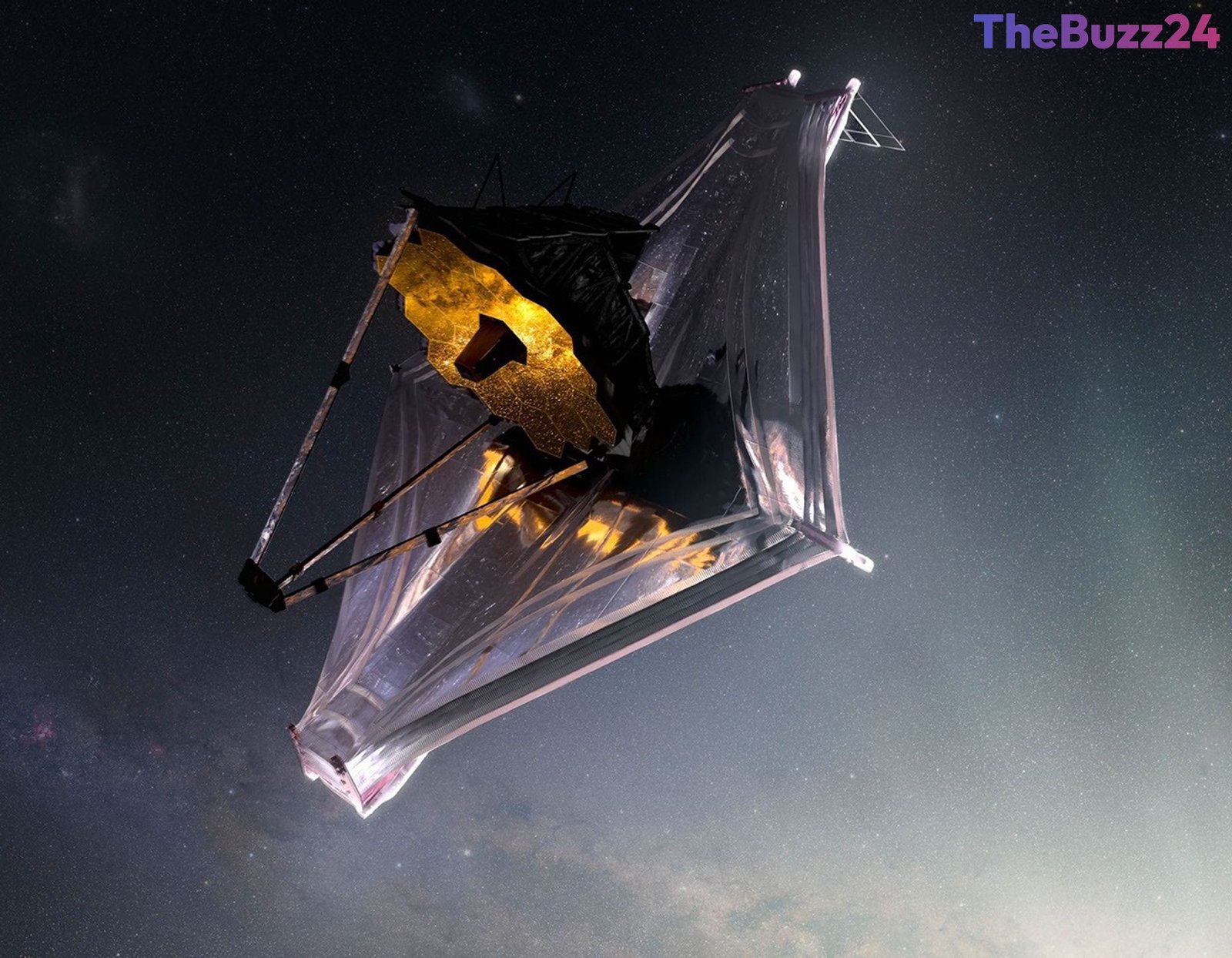
To ensure candidate worlds are correctly identified, astronomers plan to combine gravitational wave detections with advanced infrared imaging. Studies indicate that the James Webb Space Telescope can cross-verify LISA’s exoplanet candidates within a 500 light-year radius. Gas giant planets in these systems emit a characteristic excess of infrared light relative to their host stars, enabling Webb’s sensitive instruments to confirm real planets and eliminate false positives.
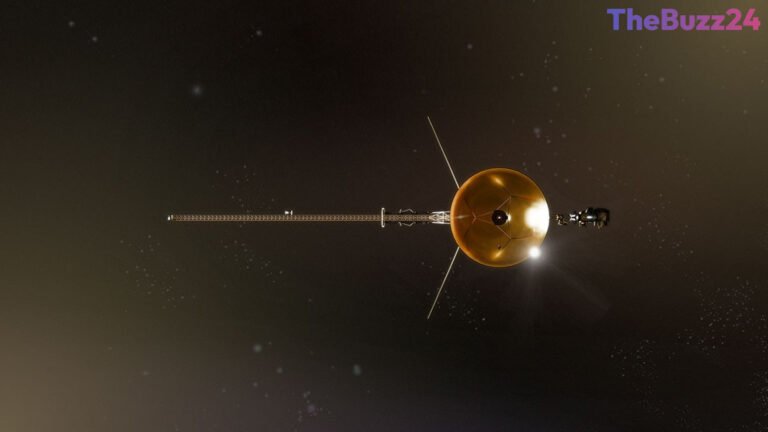
Our galaxy is estimated to host roughly 10 million double white dwarf binaries with orbital periods under an hour, with LISA expected to individually resolve approximately 10,000 systems. Spearheaded by the European Space Agency in collaboration with NASA, the LISA mission will deploy three spacecraft in a 1.6-million-mile triangular array linked by precise laser beams. This innovative effort establishes a brand-new frontier in astrophysics, allowing scientists to hunt for planets in extreme stellar environments that remain completely invisible to light-based telescopes.
Key Takeaways
- The upcoming LISA space observatory will use gravitational wave signals to detect exoplanets around tightly bound double white dwarf stars.
- Planetary gravity causes Doppler modulations in gravitational waves, creating unique sideband signals that carry details about the planet.
- The James Webb Space Telescope will provide optical confirmation of these worlds by detecting excess infrared light up to 500 light-years away.
Editor’s Analysis & Impact
The synergy between gravitational wave astrophysics and space-based infrared observation represents a significant evolution toward true multi-messenger exoplanet detection. Historically, planet hunting has relied heavily on transit and radial velocity techniques bound to electromagnetic radiation, which restricts observations to specific stellar types and orbital alignments. Utilizing LISA to measure tiny perturbations in space-time unlocks dense galactic environments, particularly white dwarf binaries, that were previously considered dark or unsearchable for planetary bodies. From a strategic and technological perspective, this methodology maximizes the scientific yield of both the LISA mission and the James Webb Space Telescope, demonstrating how cross-observatory strategies will define the next era of deep-space exploration.
Frequently Asked Questions
Q: How can gravitational waves reveal the presence of an exoplanet?
A: When an exoplanet orbits a double white dwarf binary system, its gravitational pull causes the host stars to wobble. This reflex motion creates a Doppler effect in the continuous gravitational waves emitted by the binary, generating detectable secondary frequency signals called sidebands.
Q: Why is the James Webb Space Telescope needed alongside LISA?
A: While LISA identifies exoplanet candidates through gravitational waves, the James Webb Space Telescope can confirm their existence by detecting excess infrared radiation emitted by the exoplanet, helping astronomers rule out false positives.
Q: When is the LISA mission expected to launch?
A: The LISA mission, led by the European Space Agency with key hardware and scientific contributions from NASA, is targeted for launch in the mid-2030s.
AI Disclosure: This article is based on verified data and official reports. Our Team and AI have cross-referenced every financial detail with primary sources to ensure total accuracy.
More from this Category