Federal Reserve Officials Signal Potential Aggressive Rate Hikes Following Inflation Spike
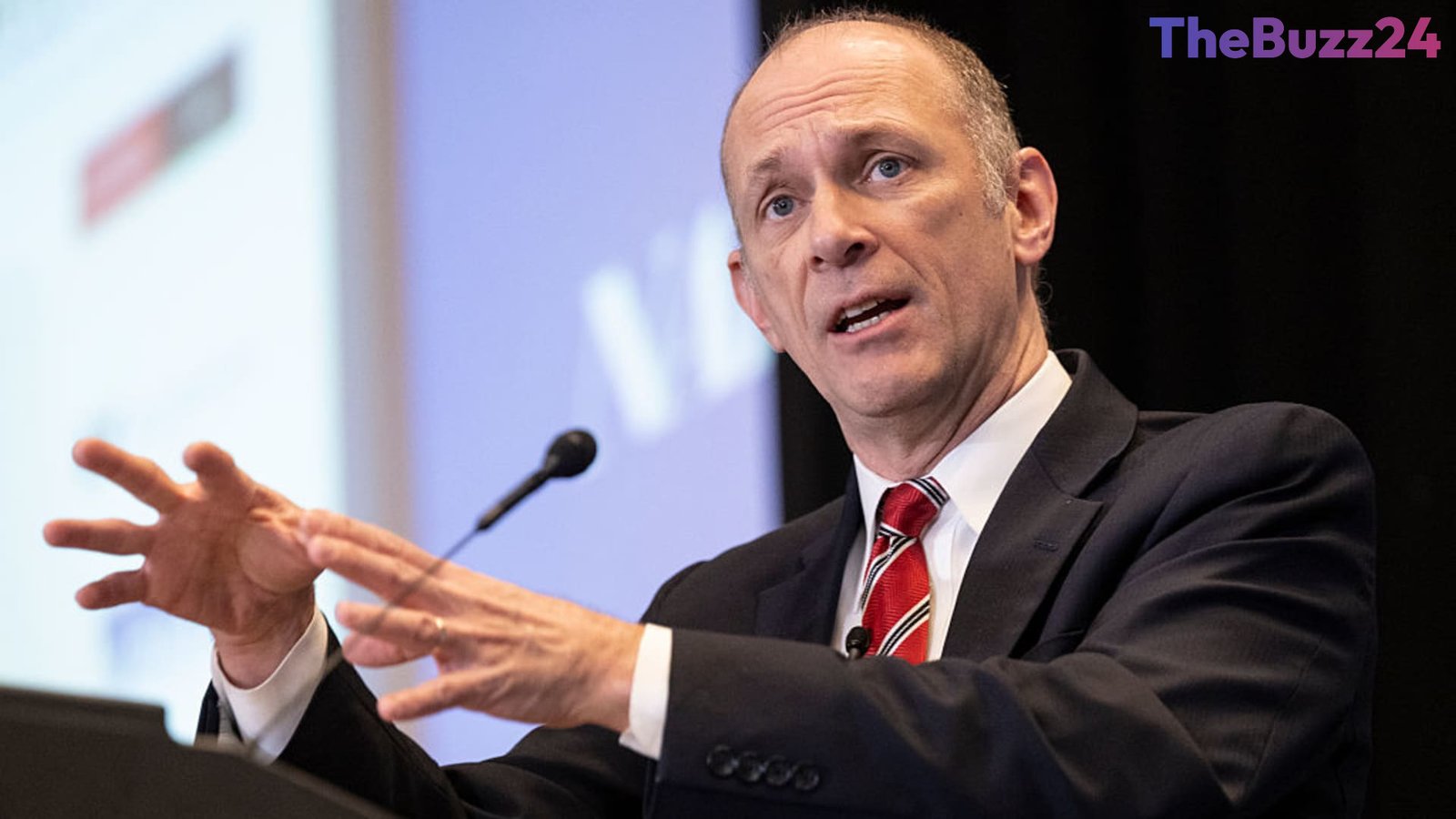
The Federal Reserve is facing mounting pressure to adopt a more aggressive monetary policy stance following a recent consumer inflation report that exceeded economist expectations. Chicago Federal Reserve President Austan Goolsbee described the latest data, which showed a 0.4% rise in the consumer price index for October, as “borderline disturbing.” This marks the third consecutive month of significant price increases, fueling concerns that inflationary pressures are becoming deeply entrenched across the economy.
During recent discussions, central bank officials expressed varying degrees of urgency regarding the path forward. While some policymakers, including Fed Governor Christopher Waller and Dallas Fed President Lorie Logan, have suggested that larger or more frequent interest rate hikes may be necessary to curb rising costs, others advocate for a more measured, data-dependent approach. The debate centers on whether the Federal Open Market Committee should implement a standard quarter-percentage point increase or consider a more substantial half-point hike during their upcoming December meeting.
Goolsbee emphasized that the persistence of high prices in the services sector and the failure of certain cost drivers to subside as anticipated remain primary concerns. He warned that if businesses and consumers begin to normalize their expectations for high inflation, the eventual process of stabilizing the economy could become significantly more difficult and painful. As the central bank prepares for its final policy meeting of the year, market participants are closely monitoring these signals to gauge the likelihood of a more hawkish shift in interest rate policy.
Key Takeaways
- October's consumer price index rose by 0.4%, surpassing economist predictions and marking three straight months of high inflation.
- Federal Reserve officials are debating whether to implement a standard quarter-point rate hike or a more aggressive half-point increase in December.
- Policymakers are increasingly concerned that persistent inflation could lead to long-term shifts in consumer and business expectations, complicating future stabilization efforts.
Editor’s Analysis & Impact
The latest inflation data serves as a critical inflection point for the Federal Reserve, signaling that the ‘transitory’ narrative has been firmly replaced by a reality of persistent, sticky inflation. The divergence in rhetoric among Fed officials—ranging from calls for aggressive half-point hikes to more cautious, gradual tightening—highlights the difficulty of balancing price stability with the risk of triggering a recession. Market participants are now pricing in a near-certainty of a rate hike in December, with the primary uncertainty being the magnitude of the increase. Looking ahead, the Fed’s ability to anchor inflation expectations without causing a sharp contraction in consumer spending will be the defining challenge for the remainder of the year. The central bank’s upcoming decisions will likely dictate market volatility and borrowing costs well into the next fiscal year.
Frequently Asked Questions
Q: Why are Federal Reserve officials considering larger interest rate hikes?
A: Officials are considering larger hikes because recent inflation data has consistently exceeded expectations, suggesting that current measures may not be sufficient to cool the economy and prevent inflation from becoming entrenched.
Q: What is the primary concern regarding long-term inflation?
A: The primary concern is that if consumers and businesses begin to expect high inflation as a permanent fixture, it will change their economic behavior, making it much more difficult and painful for the central bank to bring inflation back down to target levels.
AI Disclosure: This article is based on verified data and official reports. Our Team and AI have cross-referenced every financial detail with primary sources to ensure total accuracy.
More from this Category