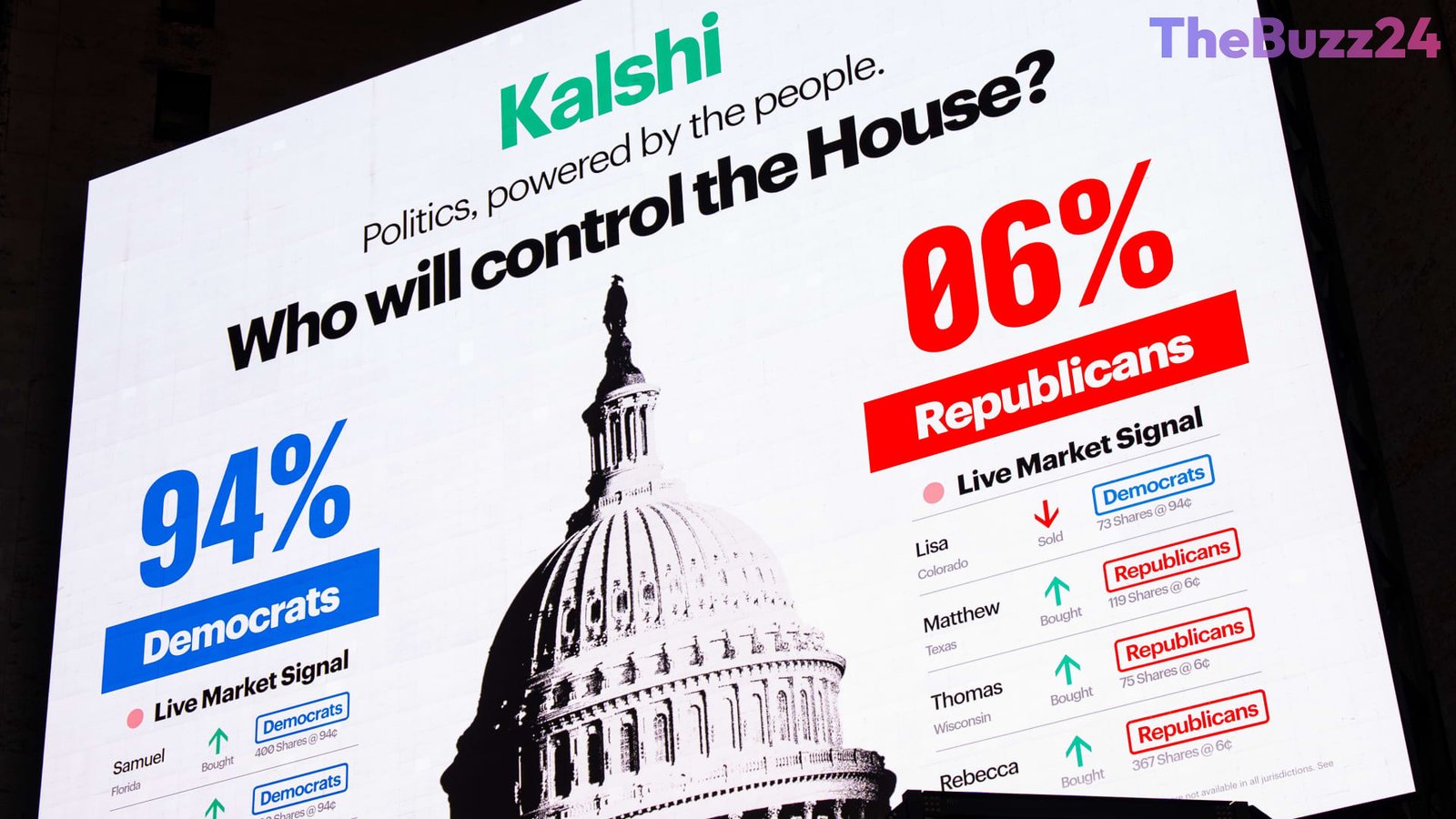
CFTC Examines Kalshi Over Weather-Related Event Contracts in Ongoing Scrutiny of Prediction Markets
The Commodity Futures Trading Commission has launched an investigation into prediction market platform Kalshi to determine whether the company properly self-certified certain proposed event contracts. Federal regulations permit prediction markets to introduce new offerings without prior agency approval through a self-certification framework, provided the instruments adhere strictly to the Commodity Exchange Act designed to maintain market integrity.
Representatives for Kalshi characterized the inquiry as a minor administrative oversight regarding the filing process for a small group of contracts, emphasizing that many of the flagged items were never actively traded. The federal regulatory body specifically highlighted weather-related contracts during its review, prompting the platform to actively collaborate with officials to resolve the procedural discrepancies. This regulatory examination arrives amid an increasingly rigorous oversight environment in Washington, where federal authorities are taking a closer look at the rapid expansion of alternative financial and speculative markets.
Regulatory pressure on the sector has intensified significantly over recent months. Earlier, federal regulators directed Kalshi to suspend specific sports-related prediction contracts while conducting evaluations. Simultaneously, authorities have focused attention on rival platforms like Polymarket, reviewing domestic compliance and adherence to historical settlements regarding U.S. user access. As industry volumes surge—driven largely by sports and event-based speculation—market participants anticipate continued legislative and regulatory scrutiny in the upcoming political term.
Key Takeaways
- The CFTC is investigating Kalshi regarding the self-certification process of specific event contracts, primarily focusing on weather-related offerings.
- Kalshi maintains that the inquiry stems from a minor procedural error in filing documents and is actively cooperating with regulators to resolve the matter.
- The investigation highlights broader regulatory scrutiny facing the prediction market industry as lawmakers and financial authorities increase oversight.
Editor’s Analysis & Impact
The ongoing regulatory examination of Kalshi underscores the complex and rapidly evolving relationship between modern financial innovation and traditional federal oversight. As prediction markets gain mainstream traction and substantial trading volume, federal regulators are increasingly determined to establish clear boundaries for self-certified contracts. This inquiry is not an isolated event but rather part of a broader regulatory push to rein in speculative products, particularly those intersecting with sports and weather. For the industry, these developments signal that rapid growth will inevitably invite deeper scrutiny, potentially leading to stricter compliance standards and altered operational strategies for platforms seeking to launch novel financial instruments in the United States.
Frequently Asked Questions
Q: What is self-certification for prediction market contracts?
A: Self-certification allows prediction market platforms to introduce new event contracts without obtaining prior approval from the federal agency, provided the contracts comply with the Commodity Exchange Act.
Q: What specific contracts are under investigation at Kalshi?
A: The CFTC flagged weather-related contracts during its review, though Kalshi has stated the notice involves a procedural error regarding the submission of a handful of mostly inactive contracts.
Q: How are prediction markets generally viewed by regulators?
A: Prediction markets are currently facing heightened regulatory and legislative scrutiny in Washington, with authorities examining various contract types, compliance measures, and overall market impacts.
AI Disclosure: This article is based on verified data and official reports. Our Team and AI have cross-referenced every financial detail with primary sources to ensure total accuracy.
More from this Category