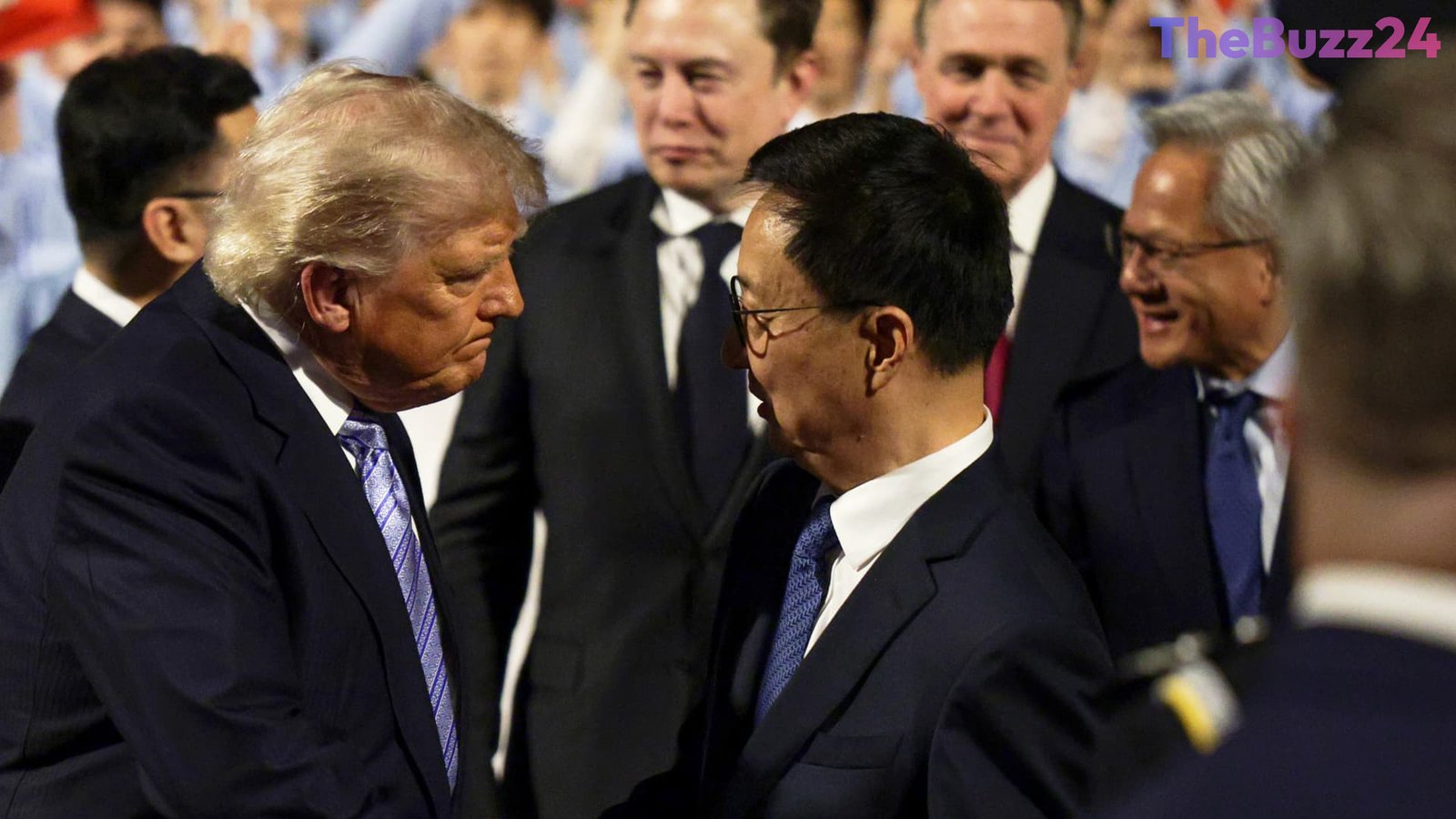
The ‘Key Man’ Crisis: Why Nvidia’s Scandal Exposes a National Security Failure
The recent controversy surrounding Nvidia CEO Jensen Huang has ignited a firestorm, revealing deep-seated vulnerabilities within the intersection of Silicon Valley leadership and national security. While the immediate focus has been on the CEO’s personal conduct and his alleged ties to a foreign intelligence asset, the situation serves as a stark reminder that the tech industry’s reliance on ‘visionary’ founders creates a dangerous concentration of power. When these individuals hold the keys to technologies vital to military and economic dominance, their personal lives and corporate decisions become matters of state security.
Intelligence officials have raised concerns that foreign actors may be targeting high-level executives not just to steal proprietary semiconductor designs, but to gain strategic influence over U.S. policy. By compromising leaders who have direct access to the White House and regulatory bodies, foreign entities could potentially gain insights into export-control deliberations and trade negotiations. This shift in espionage tactics highlights that the threat is no longer limited to the theft of intellectual property; it now encompasses the manipulation of the very decision-making processes that govern American technological supremacy.
Despite these risks, the current approach to corporate governance in the tech sector remains largely voluntary, relying on the discretion of boards and the personal integrity of executives. Critics argue that this model is insufficient for the AI era. As the U.S. government navigates its relationship with global competitors, there is growing pressure on Congress to move beyond industry self-regulation. Proposed legislative measures, such as the AI OVERWATCH Act and the Chip Security Act, aim to tighten oversight on semiconductor exports and remote access, yet these efforts often face stiff resistance from industry lobbyists.
Ultimately, the Nvidia situation underscores a broader need for structural change. Experts suggest that companies operating at the frontier of national security should be required to implement formal counterintelligence protocols and independent security assessments. Relying on the moral code of corporate leaders is no longer a viable strategy for protecting the nation’s most sensitive assets. As the geopolitical landscape intensifies, Washington must decide whether to continue prioritizing corporate autonomy or to impose the rigorous oversight necessary to safeguard America’s technological future.
Key Takeaways
- The 'Key Man' risk in the AI era means that the personal vulnerabilities of tech CEOs can directly threaten U.S. national security and policy integrity.
- Foreign intelligence operations are increasingly focused on influencing U.S. technology policy and regulatory decisions rather than just stealing trade secrets.
- There is a growing bipartisan push for Congress to move away from voluntary industry self-regulation toward mandatory counterintelligence and oversight frameworks for critical tech firms.
Editor’s Analysis & Impact
The Nvidia scandal acts as a catalyst for a long-overdue reckoning between Silicon Valley and Washington. For decades, the ‘founder-led’ corporate model has been celebrated for its agility and innovation, but it has also fostered a culture of unchecked authority that is now colliding with geopolitical realities. The market impact is significant: investors are beginning to price in ‘governance risk’ more aggressively, as the potential for regulatory crackdowns and national security investigations could disrupt supply chains and market access. Looking forward, we expect a shift toward more stringent board-level oversight requirements for companies involved in critical infrastructure and AI. The industry will likely face a trade-off between its traditional desire for minimal government interference and the necessity of complying with new, rigorous national security mandates to maintain its ‘trusted partner’ status with the U.S. government.
Frequently Asked Questions
Q: What is 'Key Man' risk in the context of the technology industry?
A: It refers to the excessive organizational dependence on a single individual whose departure, financial misconduct, or personal compromise could cause material damage to the company and, in the case of tech giants, threaten national security.
Q: Why are foreign intelligence agencies interested in tech CEOs?
A: Beyond stealing intellectual property, foreign actors target executives to gain influence over U.S. technology policy, regulatory intentions, and negotiating positions, which provides a strategic advantage in the global AI race.
AI Disclosure: This article is based on verified data and official reports. Our Team and AI have cross-referenced every financial detail with primary sources to ensure total accuracy.
More from this Category