Nvidia Partner Megaspeed Scrutinized Over Alleged Multibillion-Dollar AI Chip Diversion to China
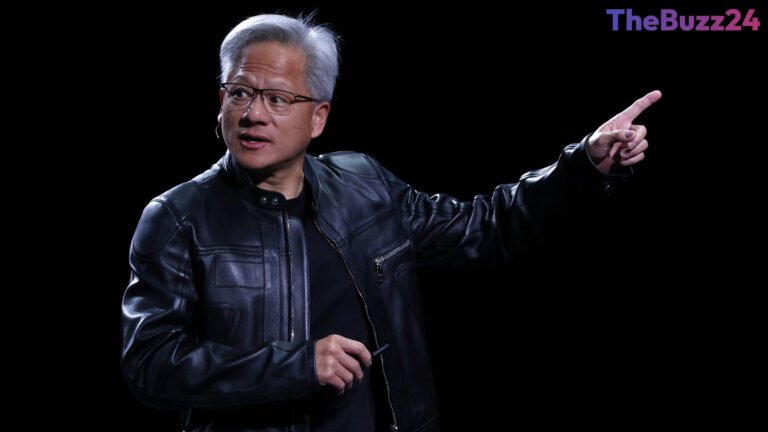
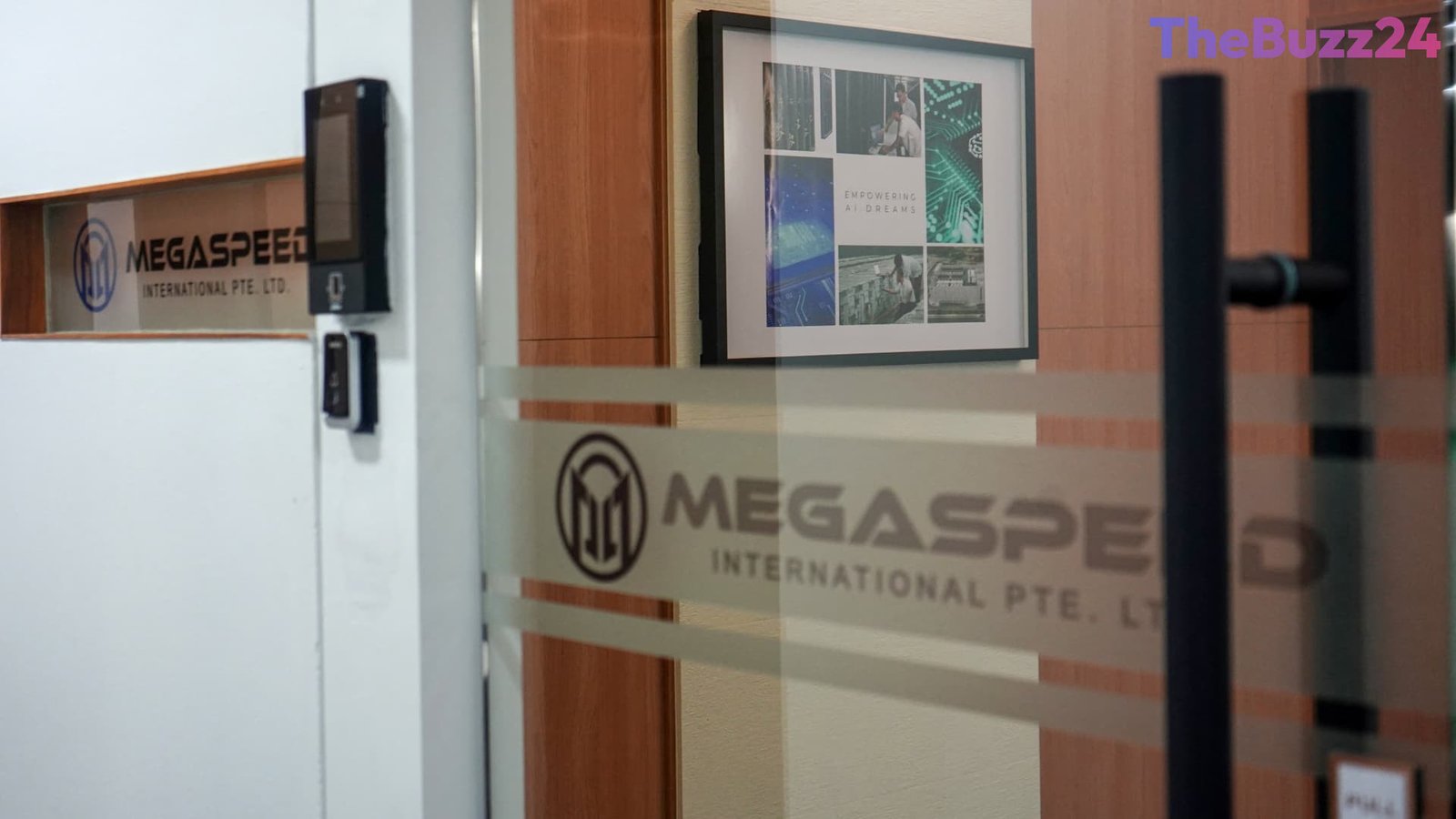
Singapore-based cloud computing provider Megaspeed International is facing intense international scrutiny over allegations that it facilitated the illicit transfer of billions of dollars in restricted Nvidia artificial intelligence chips to China. The controversy centers on the company’s founder, Alice Huang, also known as Huang Le, and her close ties to Nvidia Chief Executive Officer Jensen Huang. Intelligence reports suggest Huang targeted the chief executive to secure access to cutting-edge hardware, allegedly helping facilitate approximately $7.5 billion in chip shipments to Chinese entities. Nvidia’s board of directors has launched an internal probe to determine if foreign intelligence sought to compromise the company, though Nvidia stated it has no reason to believe national security or confidential data was breached.
Key Takeaways
- Megaspeed International is under investigation for allegedly circumventing U.S. export controls to supply billions in restricted Nvidia GPUs to China.
- The firm experienced explosive asset growth, jumping from $33 million in 2023 to nearly $3 billion in 2024, alongside billions in AI hardware purchases across Southeast Asia.
- Regulatory agencies and law enforcement across Singapore, Malaysia, and the U.S. are monitoring the situation, while Megaspeed maintains it complies fully with export laws.
Editor’s Analysis & Impact
The fallout surrounding Megaspeed underscores the escalating challenges of enforcing tech export controls in an era of hyper-globalized supply chains. As Washington tightens restrictions on high-performance AI chips destined for China, third-party intermediaries and cloud service partners in Southeast Asia have become primary channels of regulatory exposure. Nvidia finds itself in a delicate balancing act—striving to maintain market dominance while shielding its executive leadership and distribution networks from state-sponsored intelligence operations. Moving forward, global semiconductor vendors will likely face mandatory heightened due diligence protocols, stricter end-user tracking, and potential legislative pushes to limit regional cloud infrastructure firms from proxy-procuring advanced hardware.
Frequently Asked Questions
Q: What is Megaspeed accused of doing?
A: Megaspeed is accused of acting as a conduit to bypass U.S. export restrictions by routing advanced Nvidia graphics processing units, such as the H100 and GB200 systems, into China.
Q: How has Nvidia responded to the allegations?
A: Nvidia's board initiated an internal review to investigate potential targeting by foreign intelligence, but the company stated there is no evidence that confidential information or national security was compromised.
Q: What position has Megaspeed taken regarding the probe?
A: Megaspeed has denied all allegations of illegal transfers, maintaining that it operates strictly within international export control laws and has passed multiple compliance inspections by foreign trade authorities.
AI Disclosure: This article is based on verified data and official reports. Our Team and AI have cross-referenced every financial detail with primary sources to ensure total accuracy.
More from this Category