Political Shifts in Washington Fuel Optimism for Imminent U.S.-India Trade Pact
Recent political developments in Washington have injected new momentum into long-standing trade negotiations between the United States and India. Following significant setbacks in recent midterm elections, the administration is reportedly refocusing its efforts on securing actionable policy achievements, positioning a comprehensive trade agreement with New Delhi as a prime candidate for completion before the end of the year.
The political landscape has shifted dramatically as domestic scrutiny over tariff policies intensifies. With the cost of living emerging as a central concern for voters and incoming legislative opposition preparing to challenge existing import levies, finding alternative economic victories has become a priority. Observers note that finalizing the bilateral pact could provide a strategic narrative to counterbalance ongoing domestic debates regarding the economic impact of tariffs on American households.
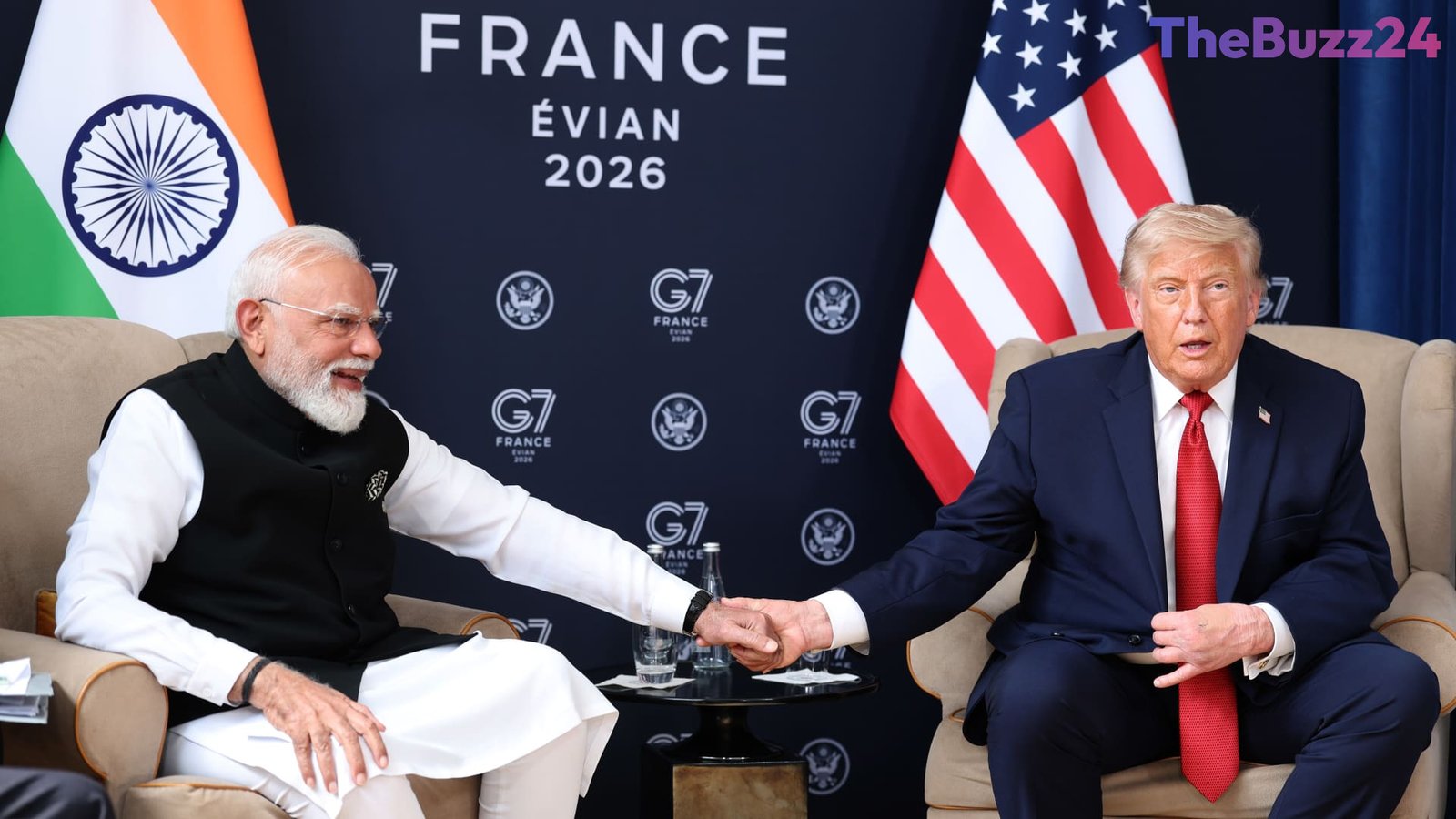
Negotiations, which had previously experienced periods of uncertainty and stalled momentum, have largely concluded according to recent diplomatic indicators. Officials from both nations are eyeing the upcoming G20 leaders’ summit in December as an ideal venue to formalize the agreement. Prime Minister Narendra Modi and U.S. leadership are expected to cross paths at the gathering, setting the stage for a potential high-profile signing ceremony that would cement stronger economic ties between the world’s largest economies.
Market participants are closely monitoring these developments, particularly as India solidifies its position as a resilient destination for global capital. Beyond the bilateral trade framework, broader economic indicators point toward robust international interest in Indian markets, offering a steady harbor for investors navigating shifts in global equities. As December approaches, both governments face a critical window to finalize the technicalities and present a unified front on international commerce.
Key Takeaways
- Recent political pressure from midterm election results has accelerated the push to finalize a U.S.-India trade deal.
- The upcoming G20 summit in December is viewed as the most likely venue for leaders to officially sign the pact.
- Domestic concerns over the cost of living and tariffs are driving the administration to seek tangible policy achievements.
Editor’s Analysis & Impact
The convergence of political pressure in Washington and sustained economic growth in India has created a unique window of opportunity for international trade. For the current U.S. administration, securing a major trade agreement serves as a vital counterweight to domestic opposition against protectionist tariffs and rising living costs. Meanwhile, India stands to benefit significantly from preferential trade terms, further solidifying its status as a preferred destination for foreign capital amidst broader global market volatility. Successfully closing this deal before year-end will not only validate a transactional approach to international diplomacy but also anchor a durable economic partnership for the next decade.
Frequently Asked Questions
Q: When is the U.S.-India trade deal expected to be signed?
A: Experts and officials suggest the agreement could be finalized and signed as early as December, potentially on the sidelines of the G20 leaders' summit.
Q: Why are U.S. officials suddenly more eager to close trade deals?
A: Following midterm election results where the cost of living was a primary voter concern, the administration is eager to showcase concrete policy achievements and trade wins independent of legislative hurdles.
Q: How have tariffs impacted the push for international agreements?
A: Growing domestic pushback against import duties and their effect on household expenses has increased the political utility of securing favorable bilateral trade pacts.
AI Disclosure: This article is based on verified data and official reports. Our Team and AI have cross-referenced every financial detail with primary sources to ensure total accuracy.
More from this Category