Nvidia CEO Jensen Huang Faces Resignation Calls Amid National Security Concerns Over China Chip Exports
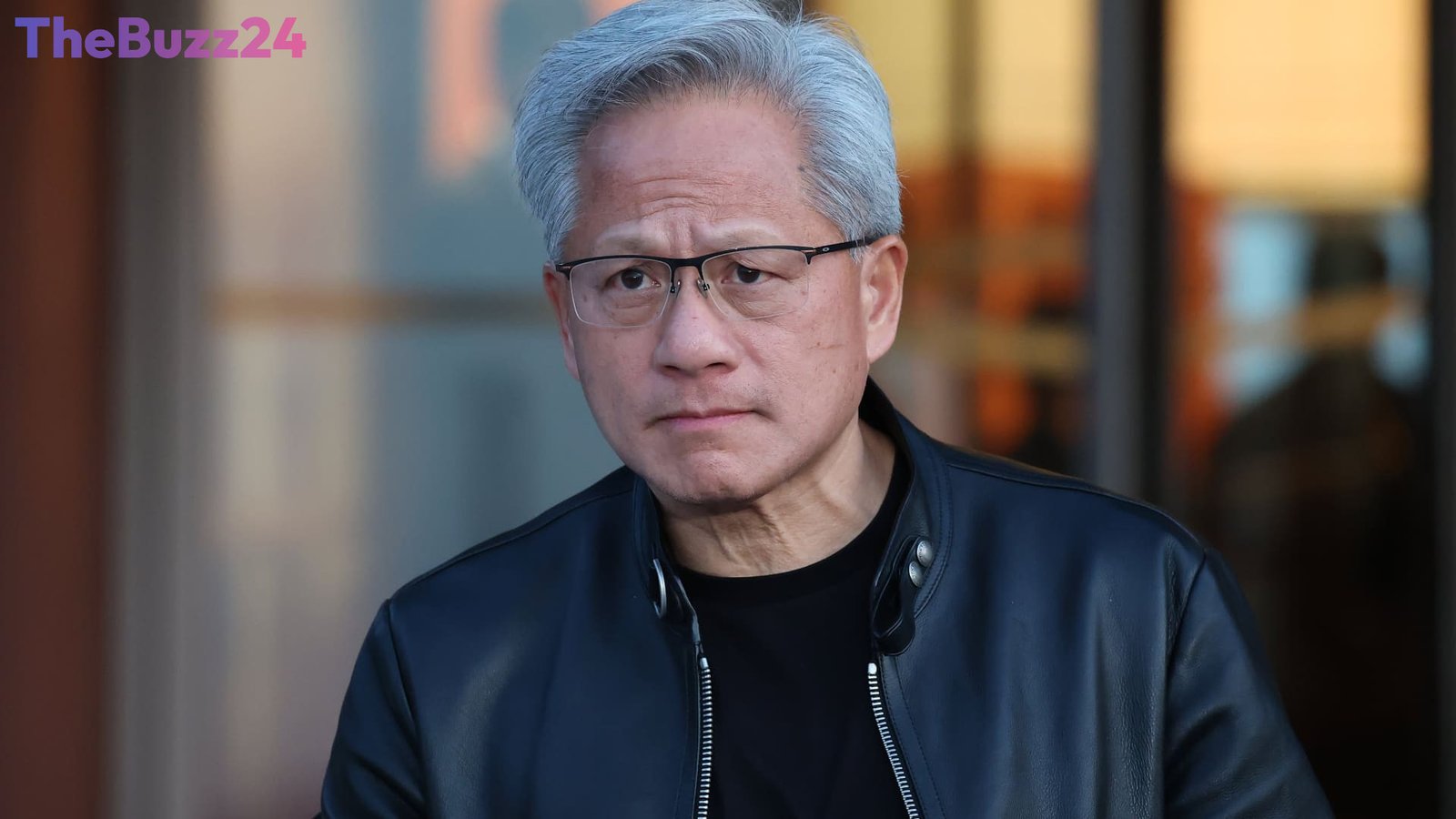
Capitol Hill is abuzz with controversy surrounding Nvidia CEO Jensen Huang, as lawmakers intensify calls for his resignation. The escalating situation stems from revelations about Huang’s personal life and its potential implications for U.S. national security and technological dominance, particularly concerning advanced artificial intelligence chips destined for China.
Several members of Congress have publicly urged Huang to step down, citing concerns that his alleged affair with an individual identified by U.S. intelligence as a Chinese spy could compromise sensitive technology. Senator Kevin Cramer (R-N.D.) has been particularly vocal, suggesting Huang’s position is untenable due to potential risks of extortion or blackmail. This scrutiny comes as key House committees, led by Republican representatives from the Foreign Affairs, Permanent Select Committee on China, and Intelligence panels, have requested Huang’s testimony. The lawmakers have indicated they are prepared to issue subpoenas if he does not comply.
The controversy is also fueling legislative efforts to tighten export controls on AI chips. Lawmakers are considering incorporating several bills into the National Defense Authorization Act aimed at preventing U.S. chip technology from falling into the hands of adversarial nations. The revelations have amplified urgency around measures like the AI Overwatch Act, the MATCH Act, and the Chip Security Act, which seek to bolster national security by restricting access to advanced semiconductor technology. The outcome of these legislative efforts and Huang’s continued leadership at Nvidia could significantly shape the company’s future engagement with Washington and the broader landscape of U.S.-China tech policy.
Democrats, set to assume control of key congressional committees in the new year, are also signaling a heightened focus on Nvidia’s operations and its dealings with China. Incoming Senate Banking Committee Chair Elizabeth Warren (D-Mass.) and other leading Democrats have emphasized the national security imperative of passing legislation to control chip exports. The unfolding situation raises critical questions about corporate responsibility, government oversight, and the delicate balance between technological innovation and national security in an increasingly complex geopolitical environment.
Key Takeaways
- Nvidia CEO Jensen Huang is facing calls for resignation due to concerns over his alleged affair with an individual linked to Chinese intelligence.
- Lawmakers are considering tightening U.S. export controls on advanced AI chips to China, potentially impacting Nvidia's business.
- Congressional committees are seeking testimony from Huang and may resort to subpoenas, highlighting national security implications of the situation.
Editor’s Analysis & Impact
The unfolding controversy surrounding Nvidia CEO Jensen Huang presents a significant inflection point for both the company and the broader semiconductor industry. The allegations, if proven to have compromised national security, could lead to stringent regulatory actions and a reevaluation of U.S. export policies towards China. This situation underscores the increasing intersection of corporate leadership, personal conduct, and geopolitical strategy. Nvidia’s ability to navigate these challenges, including potential leadership changes and increased government oversight, will be crucial. The outcome could set precedents for how technology companies are held accountable for national security risks, potentially impacting global supply chains and the race for AI supremacy.
Frequently Asked Questions
Q: What is the core issue leading to calls for Jensen Huang's resignation?
A: Calls for Jensen Huang's resignation stem from revelations about his alleged affair with an individual whom U.S. intelligence has identified as a Chinese spy. Lawmakers are concerned this personal relationship could pose national security risks and potentially compromise sensitive U.S. technology, particularly advanced AI chips exported to China.
Q: How might this situation affect Nvidia's business with China?
A: The controversy could lead to stricter U.S. export controls on advanced AI chips to China. This may result in limitations or outright bans on certain sales, impacting Nvidia's revenue and market access in China. Furthermore, increased scrutiny from Washington could affect Nvidia's regulatory environment and its relationship with the U.S. government.
Q: What legislative actions are being considered in response to this situation?
A: Congress is considering incorporating several bills into the National Defense Authorization Act to tighten export controls on advanced AI chips. These measures aim to prevent U.S. chip technology from falling into the hands of adversarial nations and include acts like the AI Overwatch Act, the MATCH Act, and the Chip Security Act.
AI Disclosure: This article is based on verified data and official reports. Our Team and AI have cross-referenced every financial detail with primary sources to ensure total accuracy.
More from this Category