Colombian Air Strike Eliminates Senior Gulf Clan Leader Amid President’s Crackdown
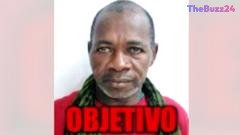
Colombian armed forces have successfully carried out an air strike in the province of Antioquia, north-west Colombia, resulting in the deaths of eight individuals, including a high-ranking leader of the nation’s most formidable criminal organization, the Gulf Clan. President Abelardo de la Espriella confirmed he personally authorized the operation, which targeted Haminton Mosquera, identified as a senior member of the gang and one of the top ten priority targets for Colombian security forces.
Mosquera was reportedly responsible for orchestrating attacks against security personnel, including the murder of a police officer in Tarazá last year. The Gulf Clan has a long history of illicit operations, primarily focusing on cocaine trafficking to the United States and Europe, but also engaging in illegal mining and human smuggling. The United States designated the group as a Foreign Terrorist Organization (FTO) last year, underscoring its significant threat level.
President de la Espriella, who was elected on a platform promising a severe crackdown on powerful criminal syndicates through measures like air strikes, has declared that the offensive will persist until state control is re-established in areas currently dominated by these groups. While his aggressive stance against gang violence and extortion has garnered support from many affected communities, his unconventional communication methods regarding security matters have drawn criticism.
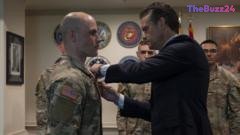
These methods include a video published shortly after his inauguration showing him among body bags from a previous air strike, and a recent photo depicting him writing his campaign slogan on a bomb. He has also publicly defended wearing a military uniform and confronting a detainee, stating his actions reflect his role as a “soldier of the homeland” committed to serving Colombia and honoring its security forces.
Key Takeaways
- A Colombian air strike killed eight people, including Haminton Mosquera, a senior leader of the Gulf Clan, the country's largest criminal organization.
- President Abelardo de la Espriella personally authorized the operation, signaling his administration's aggressive stance against powerful criminal gangs.
- The Gulf Clan is heavily involved in cocaine trafficking, illegal mining, and human smuggling, and was designated a Foreign Terrorist Organization by the United States.
Editor’s Analysis & Impact
This successful air strike against a high-value target like Haminton Mosquera signifies a significant blow to the Gulf Clan’s operational capabilities and leadership structure, potentially disrupting their extensive drug trafficking and illegal mining networks. For Colombia, it underscores President de la Espriella’s unwavering commitment to his campaign promise of aggressively confronting organized crime, a stance that could lead to a more secure environment in gang-ridden regions but also risks escalating violence as criminal groups react. The broader implications suggest a continued, potentially more militarized, approach to internal security, with international partners like the U.S. likely watching closely for shifts in regional stability and drug supply routes. While the long-term impact on the Gulf Clan’s resilience remains to be seen, this operation sets a clear precedent for the current administration’s zero-tolerance policy.
Frequently Asked Questions
Q: Who was Haminton Mosquera and why was his death significant?
A: Haminton Mosquera was identified as a senior leader within the Gulf Clan and one of Colombia's top ten "priority targets" for security forces. He was suspected of ordering attacks against security personnel, and his elimination represents a significant blow to the gang's leadership and operational capacity.
Q: What is President Abelardo de la Espriella's approach to combating criminal gangs?
A: President de la Espriella was elected on a platform to aggressively confront powerful criminal gangs, including through the use of air strikes. He has vowed to continue this offensive to re-establish state control in areas currently dominated by these organizations.
AI Disclosure: This article is based on verified data and official reports. Our Team and AI have cross-referenced every financial detail with primary sources to ensure total accuracy.
More from this Category