From Laboratory Assistant to Lunar Lander Lead: One Woman’s Journey Shaping NASA’s Artemis Program
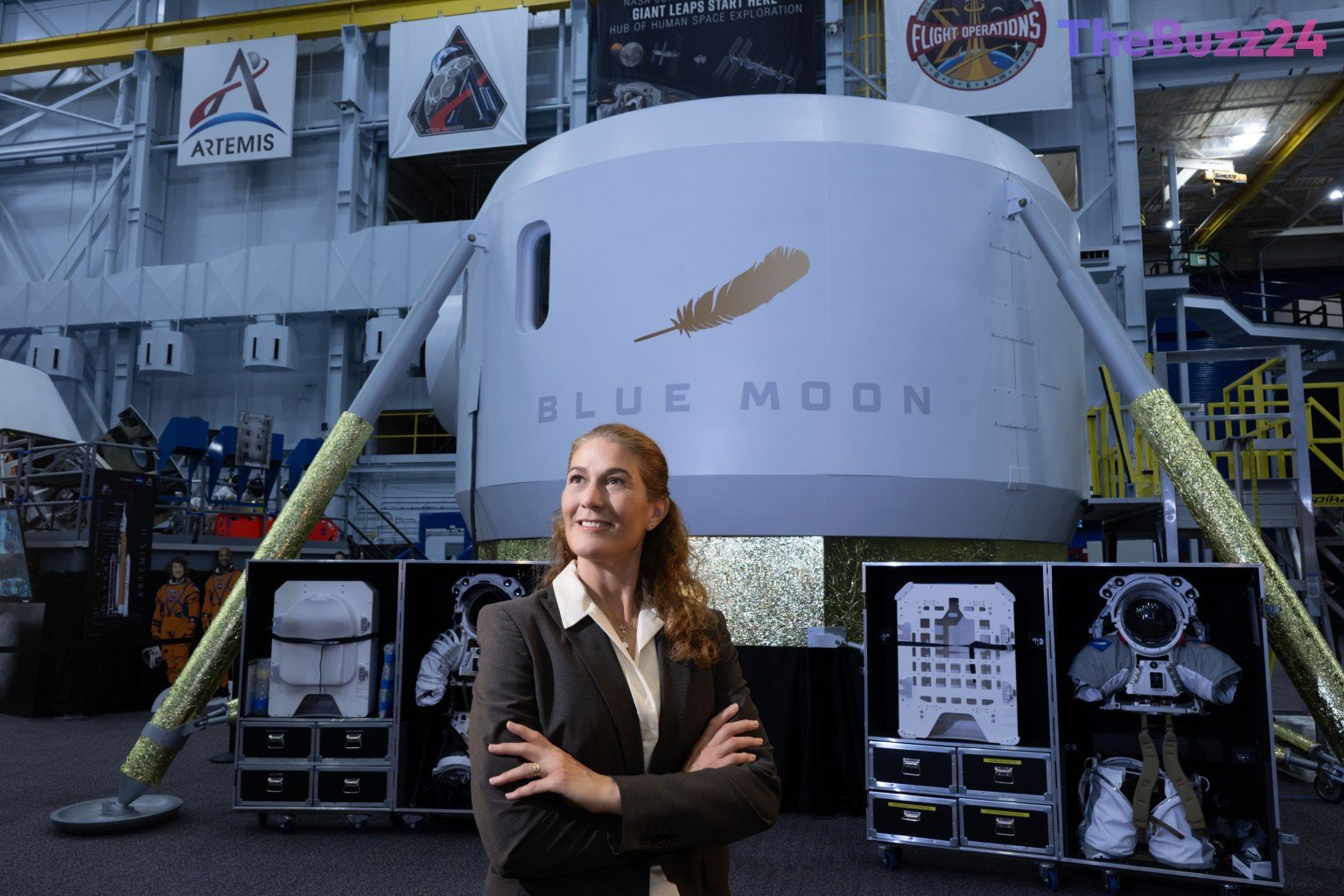
The ambitious goals of lunar exploration often conjure images of towering rockets and complex propulsion systems, but the success of missions like Artemis depends heavily on the meticulous design of everyday details. At the heart of this operational oversight is Katie Spicer, who serves as the lander integration lead for Blue Origin’s Blue Moon Mark 2 lander, a critical human landing system slated to ferry astronauts to the lunar surface.
Operating out of the Flight Operations Directorate at Johnson Space Center in Houston, Spicer evaluates and monitors the design evolution of the Blue Moon lander. Her daily responsibilities involve examining how astronauts will interact with the spacecraft, ranging from the accessibility of handrails and the usability of push-button displays in microgravity to the functionality of onboard hygiene systems. By prioritizing the human perspective, she ensures that every interior element aligns with the rigorous demands of spaceflight.
Spicer’s path to this pivotal role is notably unconventional. Initially earning a degree in microbiology and spending years raising a family, she entered the aerospace sector through a part-time position cleaning laboratory equipment and washing dishes at a historic facility. Through continuous self-study of engineering principles and rigorous training, she eventually transitioned into a flight controller role at Mission Control, ultimately spending five years as an Operations and Support Officer before stepping into her current integration position.
As development accelerates for upcoming lunar rendezvous and docking missions, Spicer remains deeply motivated by the historical legacy of space exploration and the future of crewed missions. Her unique trajectory highlights the diverse pathways available within modern aerospace endeavors, proving that determination and a focus on small operational details can leave a lasting imprint on humanity’s return to the Moon.
Key Takeaways
- Katie Spicer serves as the lander integration lead for Blue Origin's Blue Moon Mark 2 lander under the Artemis program.
- Her role focuses heavily on human factors, evaluating everything from handrail accessibility to microgravity display usability.
- Spicer took an unconventional route into aerospace, transitioning from a lab assistant and homemaker to a certified flight controller without a formal engineering degree.
Editor’s Analysis & Impact
The integration of commercial human landing systems represents a paradigm shift in how space agencies approach lunar exploration, relying heavily on public-private partnerships. Personnel like Katie Spicer bridge the gap between abstract engineering requirements and practical, human-centered mission execution. As the Artemis program progresses toward sustainable lunar habitation and eventual crewed missions to Mars, rigorous operational design and user experience testing will remain critical bottlenecks and success factors. The reliance on cross-disciplinary talent rather than traditional engineering backgrounds alone signals a broadening talent pool within the modern aerospace sector, which could foster more resilient and innovative approaches to mission planning and spacecraft design in the coming decade.
Frequently Asked Questions
Q: What is the primary function of the Blue Origin Blue Moon Mark 2 lander?
A: The Blue Moon Mark 2 lander is a commercial human landing system designed to safely transport astronauts from lunar orbit down to the Moon's surface and back for NASA's Artemis missions.
Q: What does Katie Spicer's role as lander integration lead entail?
A: Spicer evaluates and monitors the design and development of the lander, focusing specifically on how astronauts will interact with its systems, including handrails, push-button displays, and hygiene facilities in microgravity.
Q: Did Katie Spicer have a traditional engineering background?
A: No, Spicer earned a bachelor's degree in microbiology, spent years as a homemaker, and entered the space program through a part-time lab assistant job before independently studying engineering principles to become a certified flight controller.
AI Disclosure: This article is based on verified data and official reports. Our Team and AI have cross-referenced every financial detail with primary sources to ensure total accuracy.
More from this Category