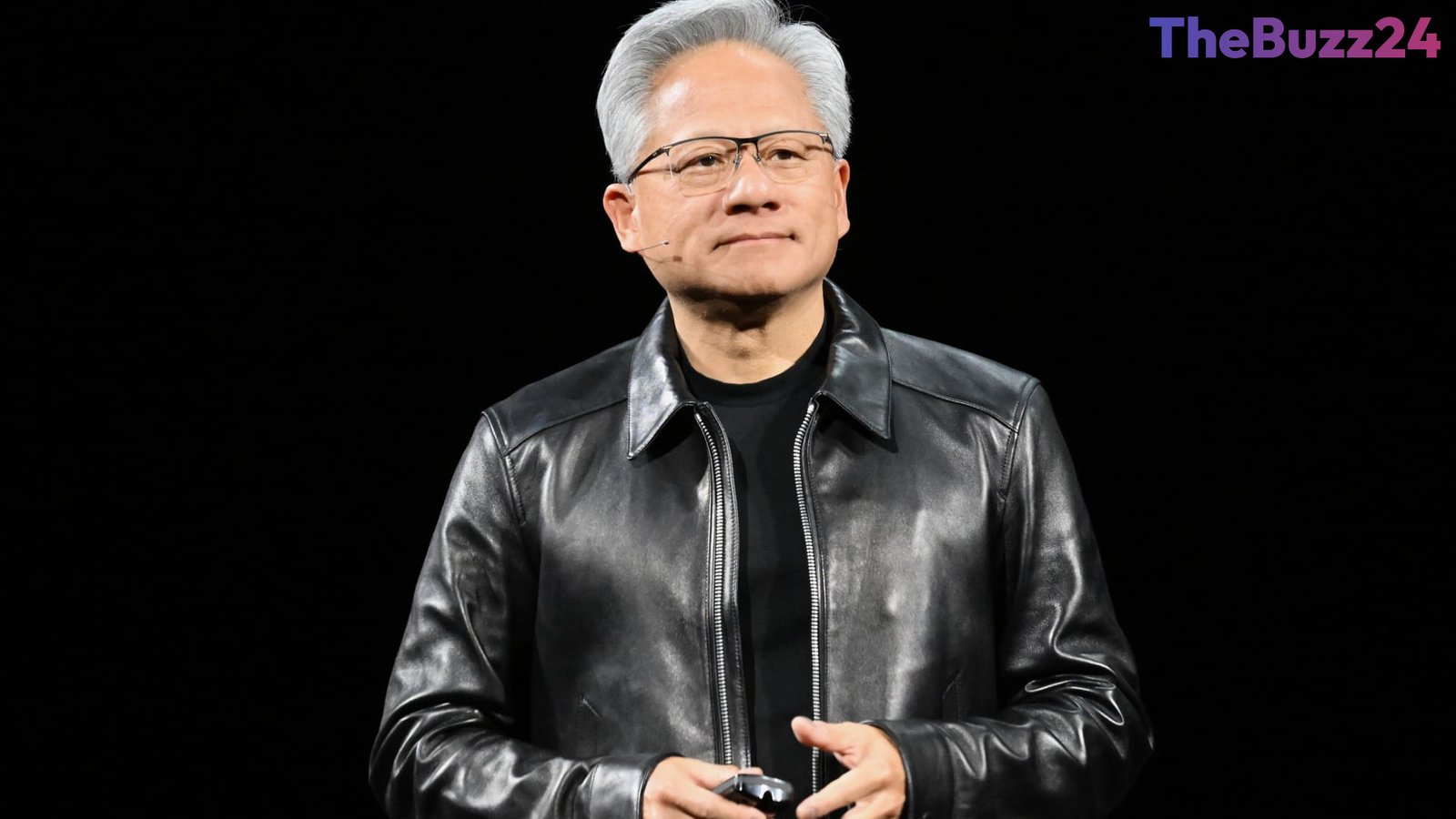
Nvidia Faces Leadership Crisis Following Jensen Huang’s Sudden Departure
Nvidia is entering a period of significant uncertainty following the resignation of co-founder and CEO Jensen Huang. The departure, which follows public disclosures regarding his personal life, leaves the semiconductor giant searching for a new direction. Chief Financial Officer Colette Kress has been appointed as interim CEO to manage operations during this transition.
For decades, Nvidia has operated under a uniquely flat organizational structure, a hallmark of Huang’s leadership style. Unlike traditional corporations with multiple layers of management, Huang maintained approximately 60 direct reports. This unconventional approach was designed to keep information flow fluid and allow the company to pivot rapidly in the fast-paced tech industry. However, experts suggest that this model relied heavily on Huang’s personal ability to act as the central orchestrator of strategy and resource allocation.
Management scholars argue that while this flat hierarchy fostered innovation under Huang, it may now prove to be a liability. Without a central figure to resolve disputes and coordinate across diverse technical domains, the company risks operational slowdowns. Furthermore, the sheer volume of direct reports likely prevented the development of a clear internal successor, leaving the board with a difficult task in identifying a permanent replacement who can maintain the company’s momentum.
Looking ahead, analysts suggest that Nvidia may be forced to abandon its signature flat structure in favor of a more traditional, hierarchical model. While such a shift might be viewed as a move toward a ‘legacy’ organization, it may be necessary to provide the stability required to manage a company of Nvidia’s current scale and complexity.
Key Takeaways
- Jensen Huang has resigned as CEO of Nvidia, with CFO Colette Kress stepping in as interim leader.
- Nvidia’s unusually flat management structure, which relied on Huang’s direct oversight of 60 employees, is now being scrutinized as a potential weakness.
- Experts predict the company may need to transition to a more traditional, hierarchical management structure to ensure long-term stability.
Editor’s Analysis & Impact
The departure of a founder-CEO who has become synonymous with a company’s culture and strategy creates a ‘key person risk’ that is difficult to mitigate. Nvidia’s situation is particularly acute because its organizational design was not just a management choice, but a core component of its operational agility. The market will likely react with volatility as investors assess whether the company’s technical dominance can be maintained without its primary visionary. The transition period will be a litmus test for the strength of Nvidia’s middle management and the board’s ability to pivot the company’s governance model. If the company fails to install a leader who can balance the need for structure with the innovation-heavy culture Huang cultivated, it could lose its competitive edge in the rapidly evolving AI and semiconductor sectors.
Frequently Asked Questions
Q: Who is currently leading Nvidia?
A: Colette Kress, the company's Chief Financial Officer, has been appointed as the interim CEO following Jensen Huang's resignation.
Q: Why is Nvidia's management structure considered unusual?
A: Nvidia utilized a very flat structure where the CEO had approximately 60 direct reports, intended to minimize bureaucracy and maximize the speed of information flow.
Q: What are the primary concerns regarding Nvidia's future leadership?
A: Experts are concerned that the lack of management layers prevented the grooming of a clear successor and that the company may struggle to coordinate complex operations without Huang's central oversight.
AI Disclosure: This article is based on verified data and official reports. Our Team and AI have cross-referenced every financial detail with primary sources to ensure total accuracy.
More from this Category