Treasury Secretary Calls for Leadership Overhaul at Nvidia Amid Export Control Scrutiny
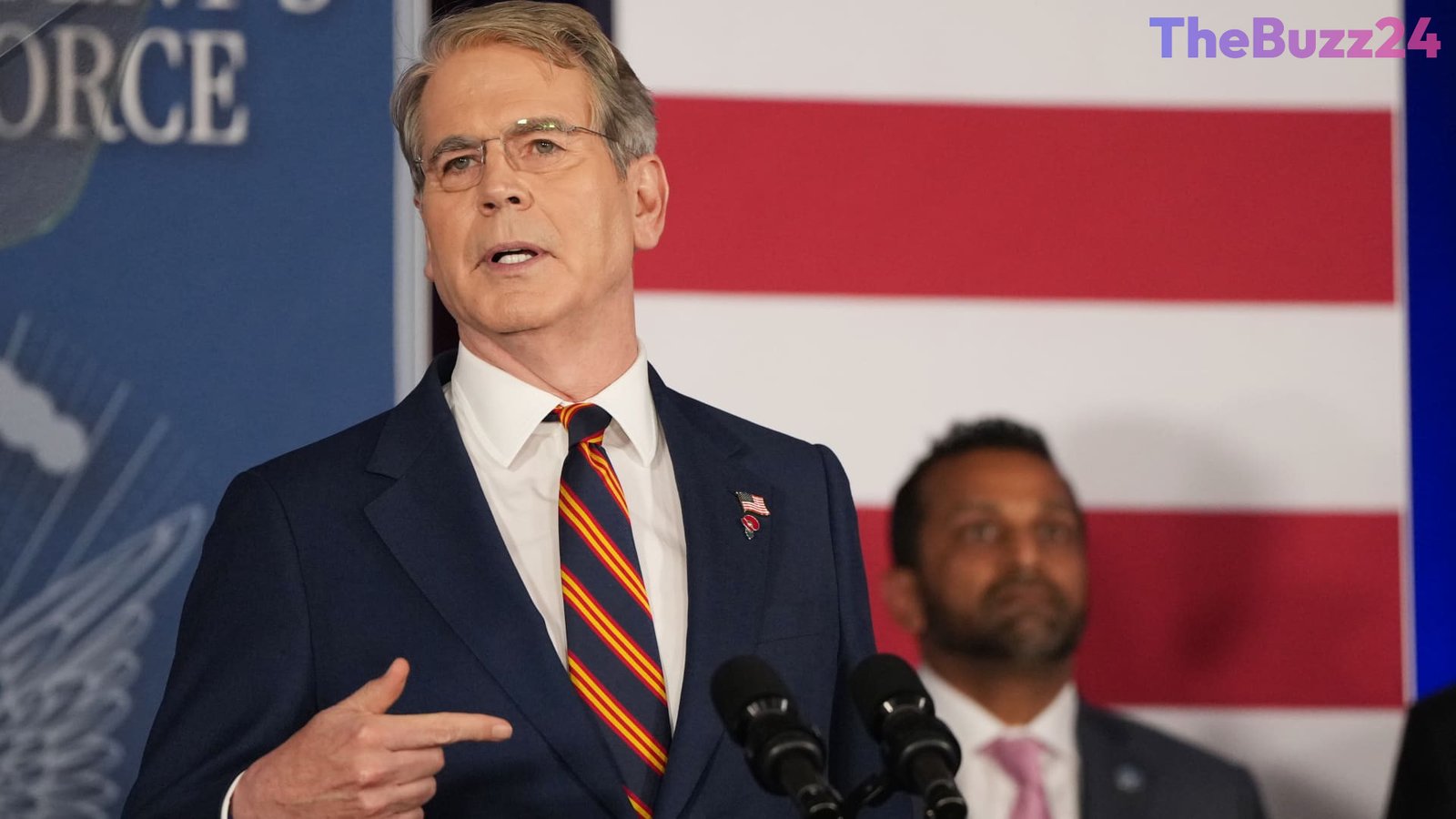
Treasury Secretary Scott Bessent has publicly demanded a significant leadership restructuring at Nvidia, following the recent resignation of CEO Jensen Huang. Bessent’s comments suggest that the company’s board should prioritize hiring an external candidate to lead the chipmaker, signaling a desire for a fresh start as the firm faces intense federal scrutiny regarding its compliance with international trade regulations.
The call for a shakeup stems from allegations that Nvidia may have engaged in questionable sales practices to inflate earnings. Specifically, officials are investigating whether the company facilitated the diversion of advanced artificial intelligence chips to restricted markets, potentially bypassing U.S. export controls. Bessent has drawn parallels to the banking sector, suggesting that if a financial institution had demonstrated similar lapses in compliance, federal regulators would have already intervened to remove key executives.
Nvidia is currently navigating a period of significant instability, with Chief Financial Officer Colette Kress serving as interim CEO. The company has also faced criticism over its financial reporting, particularly regarding a surge in revenue attributed to Singapore, which some officials believe may have been a conduit for restricted sales. These developments coincide with a broader political debate within the administration regarding the enforcement of export policies and the oversight of companies involved in critical technology sectors.
As Nvidia prepares to release its first quarterly earnings report since the departure of its long-time leader, the company remains under a microscope. The ongoing investigation into potential illicit chip sales and the internal pressure to reform corporate culture highlight the growing tension between the tech industry’s global expansion goals and national security mandates.
Key Takeaways
- Treasury Secretary Scott Bessent is urging Nvidia's board to appoint an outside CEO to address internal cultural and compliance issues.
- Federal authorities are investigating whether Nvidia bypassed U.S. export controls to sell advanced AI chips to restricted markets.
- The company is facing increased scrutiny over its financial disclosures and the potential diversion of hardware through third-party intermediaries.
Editor’s Analysis & Impact
The situation surrounding Nvidia represents a critical intersection of national security, global trade policy, and corporate governance. By publicly calling for an outside CEO, the Treasury Department is signaling that the era of ‘business as usual’ for major tech exporters is over, particularly when those companies are central to the AI arms race. The market impact is likely to be volatile; investors are wary of the regulatory uncertainty and the potential for severe penalties if export violations are confirmed. Looking forward, this case sets a precedent for how the U.S. government may exert influence over the leadership and operational transparency of private tech giants. The broader implication is a shift toward more aggressive federal oversight of the semiconductor supply chain, which could force other industry players to overhaul their compliance frameworks to avoid similar political and legal fallout.
Frequently Asked Questions
Q: Why is the U.S. government scrutinizing Nvidia's sales?
A: The government is investigating whether Nvidia chips were diverted to restricted markets in violation of U.S. export controls, potentially using intermediaries to bypass trade sanctions.
Q: Who is currently leading Nvidia following Jensen Huang's resignation?
A: Nvidia has appointed its Chief Financial Officer, Colette Kress, to serve as the interim CEO while the board searches for a permanent successor.
AI Disclosure: This article is based on verified data and official reports. Our Team and AI have cross-referenced every financial detail with primary sources to ensure total accuracy.
More from this Category