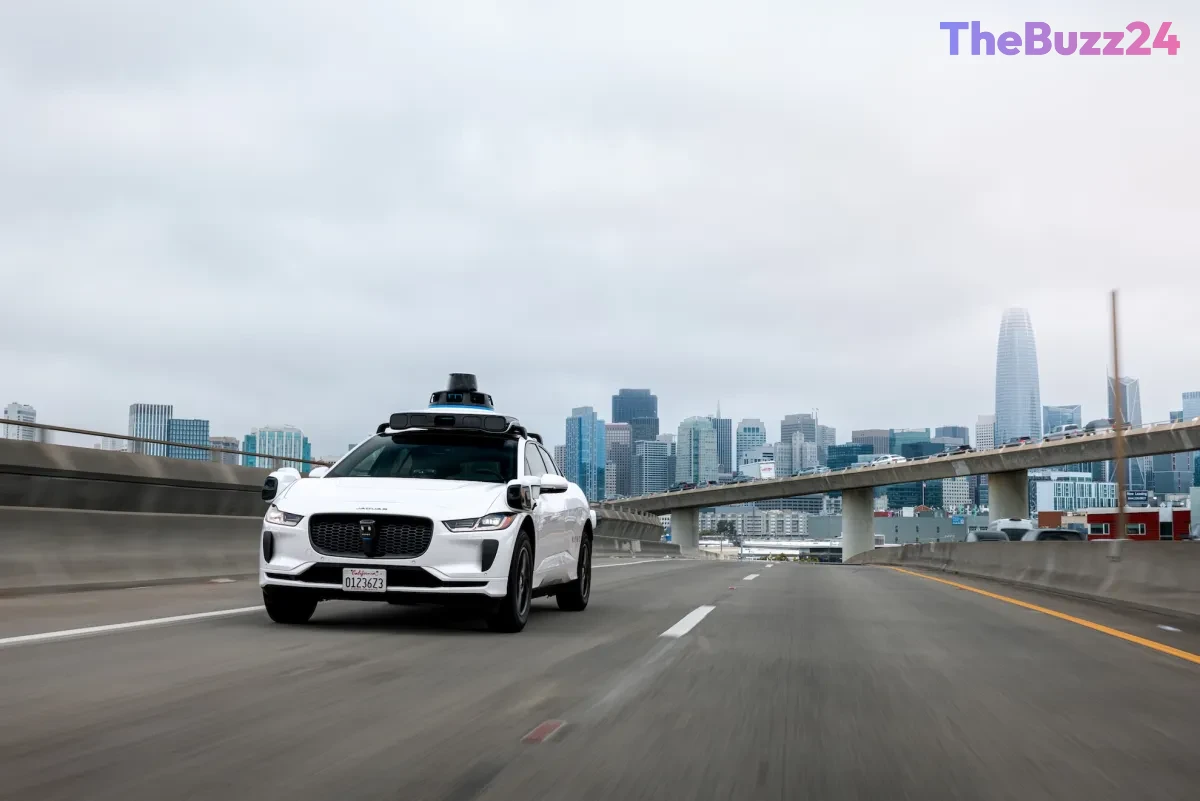
Waymo Pauses Nationwide Freeway Operations Following Regulatory Crackdown in California
Alphabet’s autonomous vehicle subsidiary, Waymo, has been forced to halt all robotaxi operations on California freeways following a decisive regulatory order from the state’s Department of Motor Vehicles. The restrictions were implemented in response to a series of safety-related traffic incidents, prompting the autonomous driving firm to voluntarily extend the suspension to its other commercial markets across the United States as a precautionary measure.
The regulatory intervention was triggered after multiple Waymo autonomous vehicles breached active construction zones. Specifically, regulators highlighted an incident where three robotaxis drove into a closed construction area on U.S. Route 101 near Burlingame, alongside another separate event involving California Highway Patrol vehicles on Highway 280 in San Francisco. State transportation authorities deemed these recurring navigation failures an imminent hazard to public safety, especially given the presence of active construction workers and heavy equipment.
In response to the mandate, Waymo has suspended freeway routing across all 15 U.S. cities where it currently provides commercial ride-hailing services. Company representatives noted that while highway access is temporarily disabled, the primary fleet continues to transport passengers safely across standard surface streets, maintaining a volume of over half a million weekly trips. The nationwide pause allows engineering teams to thoroughly evaluate software performance and address the mapping and routing deficiencies that led to the regulatory clampdown.
The loss of freeway access represents a significant operational hurdle for Waymo, which only recently began offering high-speed highway transit to streamline cross-metro travel, such as commutes between San Francisco and Silicon Valley. The company has stated it is actively collaborating with state regulators to demonstrate effective software updates and corrective measures before seeking authorization to resume high-speed operations.
Key Takeaways
- The California DMV restricted Waymo's freeway operations due to repeated vehicle incursions into active construction zones.
- Waymo voluntarily extended the freeway suspension nationwide across all 15 of its active U.S. markets to evaluate system performance.
- Surface street operations remain fully functional, with the company currently facilitating over half a million weekly trips.
Editor’s Analysis & Impact
This regulatory setback highlights the ongoing challenges autonomous vehicle developers face as they transition from controlled testing environments to complex, high-speed public infrastructure. Freeway driving introduces high-velocity variables, unpredictable construction zones, and intricate traffic management dynamics that continue to test the limits of current artificial intelligence and sensor fusion technologies. For Waymo, the temporary loss of freeway routes threatens efficiency metrics and consumer convenience, particularly for longer-distance trips that rely on highway speeds. However, prioritizing compliance and safety over rapid expansion is a necessary strategy to maintain public trust and regulatory approval. The outcome of this suspension will likely set a precedent for how state regulators oversee autonomous fleet management nationwide, potentially leading to stricter oversight and more rigorous validation requirements for high-speed self-driving deployment.
Frequently Asked Questions
Q: Why did the California DMV restrict Waymo's operations?
A: The DMV issued restrictions after multiple Waymo autonomous vehicles entered active construction zones on U.S. Route 101 and Highway 280, creating what regulators classified as an imminent hazard to public safety.
Q: Are Waymo robotaxis completely shut down?
A: No. The restrictions only apply to freeway and highway driving. Waymo's ride-hailing service continues to operate normally on surface streets across its active markets.
Q: When will Waymo be allowed back on freeways?
A: Waymo must demonstrate to the California DMV that it has implemented effective corrective actions and software updates to safely navigate construction zones and highway environments before the restrictions are lifted.
AI Disclosure: This article is based on verified data and official reports. Our Team and AI have cross-referenced every financial detail with primary sources to ensure total accuracy.
More from this Category