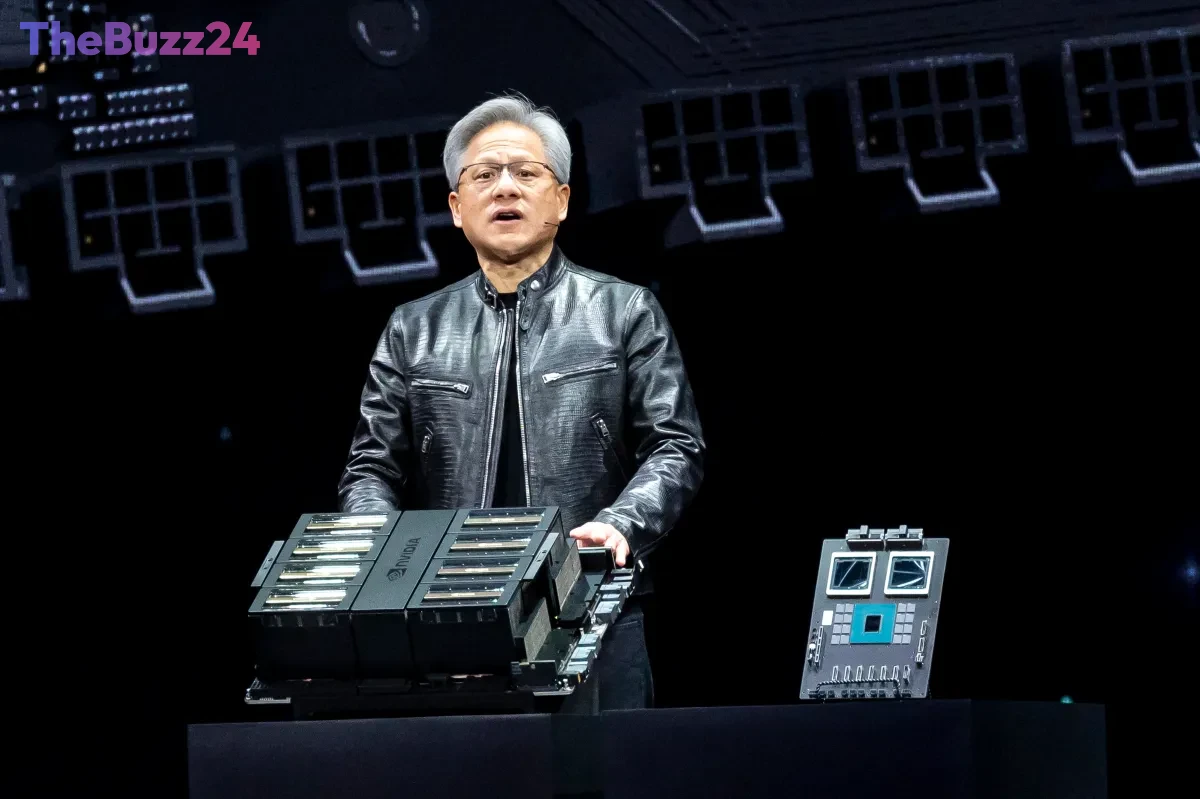
Nvidia Establishes National Security Committee Amidst CEO Departure and Export Control Scrutiny
Nvidia has announced the formation of a new standing committee dedicated to overseeing national security policies, export control compliance, and global trade risks. This strategic move follows the recent, abrupt resignation of CEO Jensen Huang, reportedly linked to allegations of an affair with an individual suspected of having ties to Chinese intelligence and a customer of the company.
The committee’s establishment signifies a significant step in addressing heightened scrutiny from U.S. lawmakers concerning Huang’s alleged connections and his previous advocacy for relaxed restrictions on advanced AI chip exports to China. The U.S. Commerce Department recently indicated plans to implement new export controls on AI chips and data centers located outside the United States. This measure aims to prevent circumvention of existing rules by entities remotely accessing AI infrastructure abroad, a direct response to the unfolding chip smuggling scandal involving Nvidia.
This development precedes Nvidia’s anticipated third-quarter earnings call, where analysts, media, and shareholders will be looking for insights into how the recent controversy might impact the company’s operations. This initiative marks the first major corporate action under the interim leadership of CFO Colette Kress, who assumed the CEO role after Huang’s departure. The committee, slated to convene at least quarterly, will be chaired by director Suzanne Nora Johnson, with directors Stephen C. Neal and John O. Dabiri serving as members. Existing national security and global trade compliance teams will now report to this board-level committee and Kress for daily operations.
Key Takeaways
- Nvidia has formed a board-level committee to oversee national security and export control compliance.
- The committee's formation follows the resignation of CEO Jensen Huang amid allegations of ties to a suspected Chinese spy.
- New U.S. export controls on AI chips are being considered in response to the Nvidia scandal.
Editor’s Analysis & Impact
Nvidia’s proactive establishment of a national security committee underscores the significant geopolitical and regulatory pressures facing the semiconductor industry, particularly concerning advanced AI technologies. The move signals a commitment to bolstering compliance and mitigating risks associated with international trade and national security concerns. This is crucial as the company navigates increased governmental oversight and potential restrictions on chip exports to key markets like China. The formation of this committee, coupled with the U.S. government’s proposed export controls, suggests a tightening regulatory environment that could reshape global supply chains and influence future innovation and market access for AI hardware.
Frequently Asked Questions
Q: Why did Nvidia form a national security committee?
A: Nvidia formed the committee to provide board-level oversight of national security policies, export control compliance, and global trade risks, particularly in light of recent allegations involving former CEO Jensen Huang and increased scrutiny from U.S. lawmakers.
Q: What are the new export controls being considered?
A: The U.S. Commerce Department is planning new export controls on AI chips and data centers outside the U.S. to prevent companies from circumventing existing rules by remotely accessing AI infrastructure in other countries. This is a direct response to the Nvidia chip smuggling scandal.
Q: Who is currently leading Nvidia on an interim basis?
A: Nvidia's CFO, Colette Kress, is serving as the interim CEO following the resignation of Jensen Huang.
AI Disclosure: This article is based on verified data and official reports. Our Team and AI have cross-referenced every financial detail with primary sources to ensure total accuracy.
More from this Category