Genesis AI Secures $500M to Advance Glove-Powered Humanoid Robotics
Genesis AI, a prominent player in the physical artificial intelligence sector, has successfully closed a massive $500 million Series A funding round. The investment was spearheaded by prominent backers including Khosla Ventures, Premji Invest, and Eclipse, signaling strong confidence in the startup’s unique approach to building dexterous, general-purpose humanoid robots capable of handling complex industrial tasks.
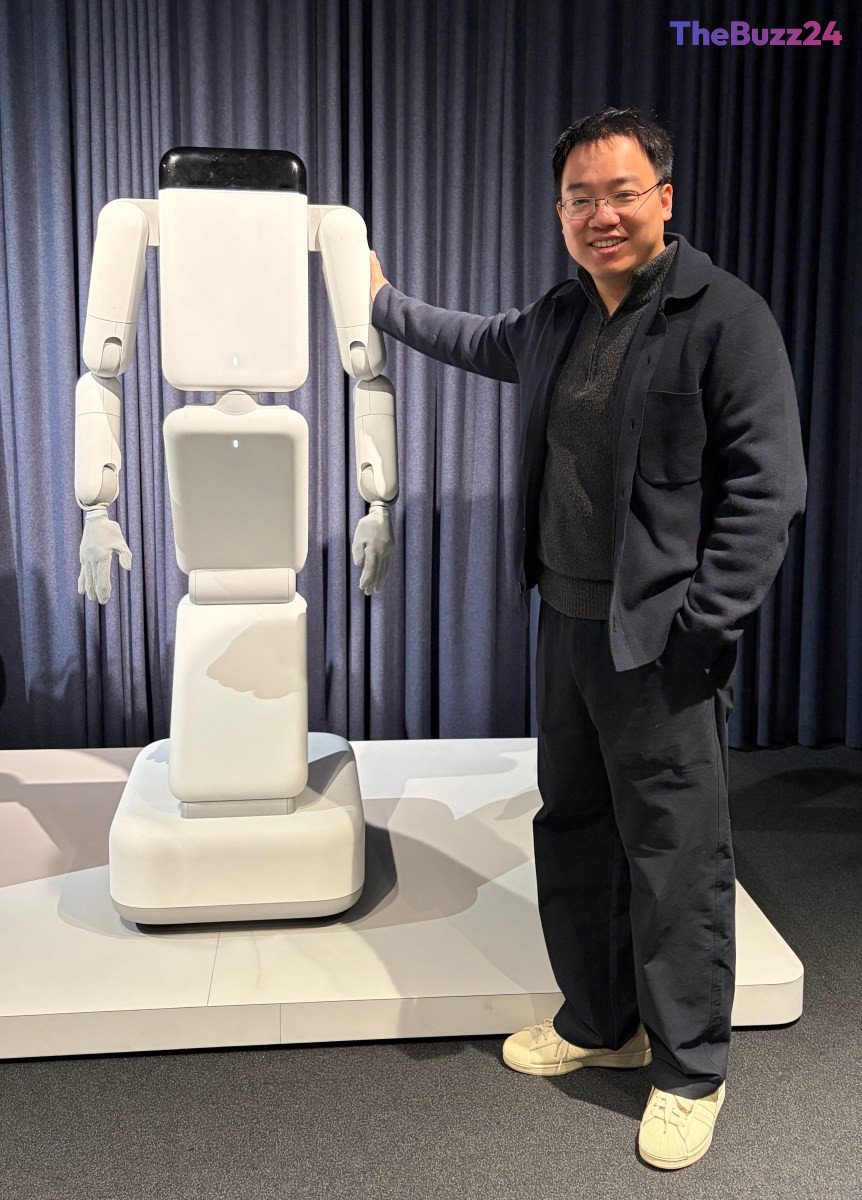
Founded in 2024 by Carnegie Mellon alumni Xian and Théophile Gervet, Genesis AI emphasizes vertical integration by simultaneously developing its proprietary generative AI models, constructing hardware, and gathering specialized training data. Unlike many of its industry competitors, the company heavily prioritizes manual dexterity. By utilizing sensor-enabled gloves and headset cameras worn by a global network of human workers, Genesis collects crucial force data to train its robots. This emphasis on anatomical fidelity and precise manipulation allows the startup’s flagship humanoid machine, Eno, to handle intricate workflows such as sorting, packaging, and wire manipulation.
Despite the successful capital infusion and impressive laboratory demonstrations, the company still faces notable engineering hurdles. Current hardware limitations require the delicate robotic hands to be replaced after only a few weeks of regular operation. However, leadership remains confident that overcoming these physical manufacturing bottlenecks relies entirely on rigorous execution rather than waiting for fundamental scientific breakthroughs. With a finalized design and a U.S. mass-manufacturing contractor lined up for the coming year, Genesis is positioned to scale its operations and transition its advanced automation technology out of the lab and into real-world commercial pilots.
Key Takeaways
- Genesis AI raised $500 million in a Series A funding round led by Khosla Ventures, Premji Invest, and Eclipse.
- The company focuses heavily on manual dexterity, using sensor-enabled gloves worn by human workers to collect vital training force data.
- Genesis plans to transition its flagship humanoid robot, Eno, into mass manufacturing with a U.S. contractor next year.
Editor’s Analysis & Impact
The massive $500 million injection into Genesis AI highlights the accelerating investor appetite for physical AI and humanoid robotics solutions capable of bridging the gap between controlled laboratory demos and messy, real-world environments. By prioritizing tactile feedback and force data gathered through human-worn sensor gloves, Genesis is tackling one of the most stubborn bottlenecks in industrial automation: fine-motor dexterity. If the company can successfully resolve its hardware durability challenges—specifically the wear-and-tear on robotic hands—it could establish a dominant vertical integration model. This milestone suggests that the broader robotics industry is moving past purely theoretical software architectures and shifting focus toward robust data infrastructure, supply chain readiness, and scalable manufacturing execution.
Frequently Asked Questions
Q: How much funding did Genesis AI raise in its Series A round?
A: Genesis AI raised $500 million in its Series A funding round, led by Khosla Ventures, Premji Invest, and Eclipse.
Q: What sets Genesis AI apart from other humanoid robot competitors?
A: Genesis AI focuses heavily on manual dexterity and fine-motor control, utilizing sensor-enabled gloves and headset cameras worn by human workers to gather critical force data for its AI training models.
Q: What is the name of Genesis AI's flagship humanoid robot?
A: The company's flagship humanoid robot is named Eno.
AI Disclosure: This article is based on verified data and official reports. Our Team and AI have cross-referenced every financial detail with primary sources to ensure total accuracy.
More from this Category