Maritime Tragedy Off Senegal Coast Leaves Dozens Missing as Migrant Boat Capsizes
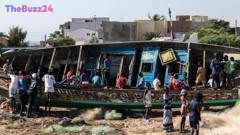
Search and rescue operations are actively underway along the Senegalese coastline after a wooden vessel carrying roughly 100 migrants capsized off the shore. The severely damaged boat washed ashore near the coastal village of Yenne, located south of the capital, Dakar. Emergency responders recovered personal items and several bodies, while dozens of passengers remain missing at sea following distress cries heard from the water in the early hours of the morning.
This latest tragedy comes less than two weeks after a devastating shipwreck off the coast of Thieppe claimed at least 39 lives in one of the region’s deadliest recent maritime incidents. Investigators recovering evidence from the wreckage located identity documents, mobile phones, and school enrollment records, underscoring the young demographic attempting the perilous voyage. In response to the rising casualties, Senegalese President Diomaye Faye instructed the interior ministry to launch an investigation into the socio-economic drivers behind these irregular departures and formulate targeted interventions to deter dangerous sea crossings.
The hazardous Atlantic migration corridor toward Spain’s Canary Islands has seen a dramatic increase in traffic as traditional routes through North Africa face tighter border security and surveillance. According to international migration observers, hundreds of individuals have perished or gone missing off the West African coast this year alone, though officials warn the true death toll is likely much higher due to unrecorded shipwrecks. The influx has created severe humanitarian strains on destination territories like El Hierro, which recently declared a state of emergency after thousands of migrants arrived on overcrowded pirogues within a matter of days.
Key Takeaways
- A migrant boat carrying approximately 100 people capsized near Yenne, Senegal, resulting in multiple fatalities and dozens missing.
- Senegalese President Diomaye Faye ordered the interior ministry to investigate the root causes of irregular migration and propose preventative measures.
- Increased border enforcement in North Africa has driven a sharp rise in dangerous Atlantic crossings targeting the Canary Islands.
Editor’s Analysis & Impact
The recurring vessel sinkings off the coast of West Africa highlight the severe socio-economic challenges pushing individuals toward high-risk migration routes. As security tightens along Mediterranean transit points, the Atlantic passage to the Canary Islands has emerged as one of the deadliest maritime corridors globally. The surge in arrivals has overwhelmed local resources on islands like El Hierro, highlighting the broader geopolitical strain on European entry points. Addressing this humanitarian crisis will require more than heightened coastal patrols; it necessitates sustained international investment in West African economic opportunities, job creation for youth, and comprehensive policy frameworks to tackle the root push factors driving individuals to risk their lives at sea.
Frequently Asked Questions
Q: Where did the recent migrant boat capsize occur?
A: The vessel capsized off the coast of Senegal, near the village of Yenne, located south of the capital city of Dakar.
Q: Why are more migrants using the Atlantic route to the Canary Islands?
A: Tightened border controls and enhanced surveillance along traditional North African transit routes have driven migrants to choose the riskier Atlantic Ocean route to reach European territory.
Q: How is the Senegalese government addressing the migration crisis?
A: President Diomaye Faye has instructed the country's interior ministry to draft a detailed report on the causes of irregular departures and propose actionable solutions to curb dangerous ocean journeys.
AI Disclosure: This article is based on verified data and official reports. Our Team and AI have cross-referenced every financial detail with primary sources to ensure total accuracy.
More from this Category