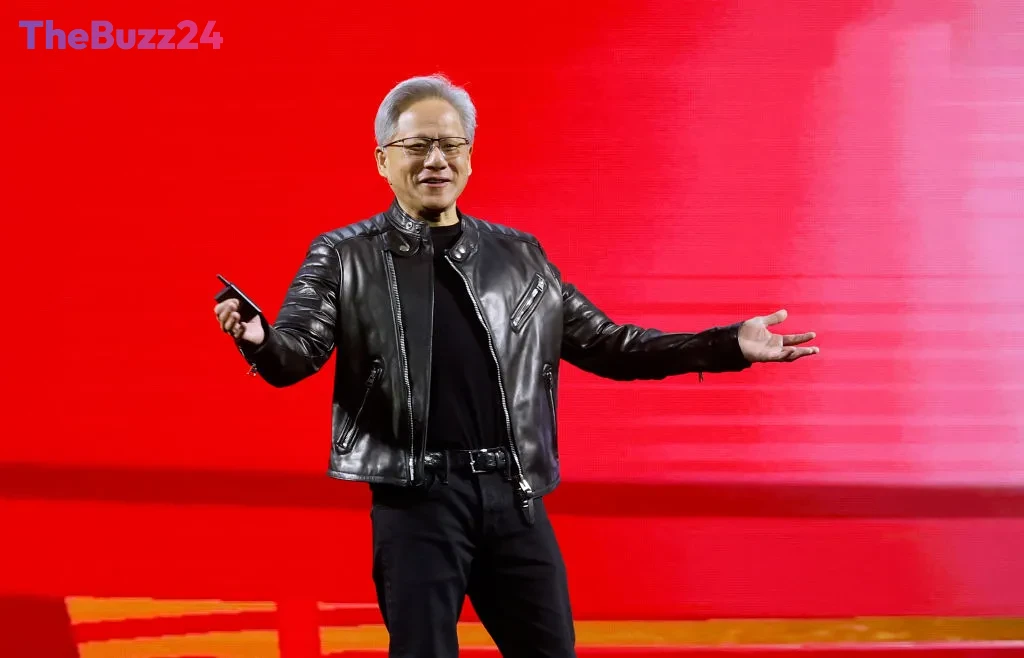
Nvidia CEO’s Downfall: Affairs, Alleged Spying, and National Security Concerns Rock Tech Giant
The technology world is reeling from a series of revelations surrounding Nvidia CEO Jensen Huang, whose personal conduct has become intertwined with national security concerns and a potential geopolitical crisis. While not previously known for public controversy, Huang’s admission of infidelity has escalated into a complex scandal involving alleged espionage and a fierce technological arms race between the United States and China.
At the heart of the controversy is the alleged relationship between Huang and Alice Huang, an executive at Megaspeed, a Singapore-based AI infrastructure firm. U.S. officials suspect Alice Huang, a Chinese citizen, of being a spy feeding sensitive information to Beijing. Megaspeed itself has been under scrutiny for potentially violating U.S. export controls by supplying Nvidia chips to China, with reports indicating the company purchased billions of dollars worth of Nvidia’s advanced technology. The Justice Department has reportedly taken over the federal investigation into Megaspeed.
The scandal deepened with reports of additional extramarital affairs involving Jensen Huang. The New York Times revealed a relationship with Kimberly Powell, Nvidia’s vice president of healthcare, who reported directly to him. Subsequently, Reuters alleged a third affair with another unnamed Nvidia employee. These revelations led to a swift and dramatic fallout for the Nvidia co-founder.
In the wake of these reports, Jensen Huang resigned as CEO of Nvidia, a company he co-founded 33 years ago. CFO Colette Kress has been appointed interim CEO. Huang has also agreed to testify before Congress regarding the allegations and Nvidia’s business dealings with China. The unfolding events have significant implications for Nvidia, a critical player in the global AI chip market, and raise profound questions about corporate governance, national security, and the intersection of technology and international relations.
Key Takeaways
- Nvidia CEO Jensen Huang has resigned following admissions of infidelity and reports of multiple extramarital affairs.
- Allegations link Huang to a suspected Chinese spy, raising national security concerns and investigations into Nvidia's chip sales to China.
- The scandal has led to Huang's resignation, the appointment of an interim CEO, and upcoming congressional testimony, impacting the critical AI chip supplier.
Editor’s Analysis & Impact
This unfolding scandal at Nvidia, a linchpin in the global AI revolution, carries profound implications. The confluence of personal misconduct with alleged espionage and national security risks highlights the vulnerabilities inherent in critical technology sectors. The U.S. government’s scrutiny of Nvidia’s chip sales to China, exacerbated by these revelations, could lead to stricter export controls, impacting the global AI supply chain and potentially reshaping the technological arms race. For Nvidia, the immediate challenge is restoring trust and demonstrating robust corporate governance under new leadership, while navigating intense regulatory and geopolitical pressures. The long-term outlook depends on its ability to maintain its technological edge and market position amidst these complex challenges.
Frequently Asked Questions
Q: Who is Jensen Huang?
A: Jensen Huang is the co-founder and former CEO of Nvidia, a leading technology company renowned for its graphics processing units (GPUs) and its pivotal role in the development of artificial intelligence.
Q: What are the national security concerns related to Jensen Huang?
A: The national security concerns stem from allegations that Jensen Huang had a relationship with Alice Huang, an executive at Megaspeed, who is suspected by U.S. officials of being a Chinese spy. This has led to investigations into whether Nvidia's advanced chips were being illicitly supplied to China, potentially aiding its technological and military advancements.
Q: What has been the impact on Nvidia's stock and operations?
A: Following the reports, Nvidia's stock experienced a significant drop. The company has also announced it will no longer sell its H200 chips in China, ending its participation in a loophole that allowed sales under U.S. restrictions. Colette Kress has taken over as interim CEO while the company searches for a permanent successor.
AI Disclosure: This article is based on verified data and official reports. Our Team and AI have cross-referenced every financial detail with primary sources to ensure total accuracy.
More from this Category