Europe Signals Readiness for Ukraine Peace Talks, But Hurdles Remain
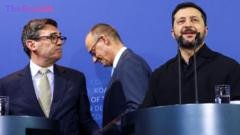
European leaders have publicly stated their willingness to engage in negotiations with Russia aimed at ending the conflict in Ukraine, signaling a united front in support of Kyiv. The sentiment was echoed by key figures, including UK Prime Minister Andy Burnham and German Chancellor Friedrich Merz, who emphasized that Europe maintains a consistent and unified negotiating stance. Merz specifically addressed Russia’s demands, characterizing them as “not realistic.”
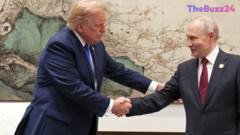
These discussions took place during a summit in Berlin attended by Ukraine’s allies, where US envoys Jared Kushner and Steve Witkoff were also present. Kushner conveyed that the US president is keen on brokering a deal with Moscow, with Europe playing an integral role. However, Russian President Vladimir Putin has previously expressed reservations about a European role in US-led peace initiatives, suggesting that Russia would prefer to clarify Europe’s specific contributions before engaging in broader multilateral talks. Putin indicated that Russia would welcome European representatives in Moscow to define their positions before proceeding with any dialogue involving Ukraine.
Despite the expressed readiness for talks, significant challenges persist. Ukrainian President Volodymyr Zelensky reiterated that Russian President Vladimir Putin has consistently rejected all peace proposals put forth thus far. German Chancellor Merz echoed this skepticism, noting that while US involvement might increase the chances of peace, any serious discussions on European security must be preceded by a genuine peace agreement with Ukraine. He also firmly rejected any notion of Europe being divided into spheres of influence, drawing parallels to historical post-war agreements.
Meanwhile, French President Emmanuel Macron urged allies to intensify efforts in supplying Ukraine with crucial air defense systems and to reconsider Ukraine’s potential membership in NATO. The path to these negotiations remains complex, with mixed signals from Moscow regarding the format and timeline for European participation. While US envoys expressed optimism, Russian officials have suggested that substantial groundwork is still required before expanded, four-sided talks can commence. The ongoing conflict, marked by intensified attacks on Ukraine’s infrastructure and civilian casualties, underscores the urgency and difficulty of achieving a lasting peace.
Key Takeaways
- European leaders have expressed a unified willingness to negotiate with Russia to end the war in Ukraine.
- Russia has indicated a conditional openness to European involvement in peace talks, requesting clarification on their proposed contributions.
- Significant obstacles remain, including Russia's past rejections of peace proposals and differing views on security guarantees and territorial concessions.
Editor’s Analysis & Impact
The recent declarations from European leaders signal a potential shift towards a more unified diplomatic approach to resolving the conflict in Ukraine. However, the inherent skepticism from both Kyiv and Berlin, coupled with Moscow’s historically conditional engagement, suggests that a breakthrough is far from imminent. The emphasis on a ‘serious discussion’ preceding any peace agreement and the rejection of ‘spheres of influence’ highlight the complex geopolitical landscape. The involvement of US envoys adds another layer, potentially influencing the dynamics of negotiation. The coming weeks will be crucial in determining whether these expressed intentions translate into concrete diplomatic steps or if the conflict continues to be defined by military actions and stalled negotiations.
Frequently Asked Questions
Q: What is the primary condition Europe has set for peace talks with Russia?
A: Europe, particularly Germany, has stated that serious discussions on European security must be preceded by a genuine peace agreement with Ukraine. They are willing to enter discussions as long as this condition is met and acceptable to both Europe and Ukraine.
Q: What is Russia's stance on European involvement in peace talks?
A: Russian President Vladimir Putin has expressed a conditional openness to European participation, stating that Russia wants to clarify what Europe will 'bring to these talks' before deciding on the format. Russia has invited European representatives to Moscow to determine their positions.
Q: What are the main obstacles to peace negotiations mentioned in the article?
A: Key obstacles include Russia's past rejections of peace proposals from Ukraine, differing views on security guarantees for Ukraine (such as NATO's Article Five equivalent), and concerns about potential territorial concessions. There are also mixed signals from Moscow regarding the timeline and format for expanded talks.
AI Disclosure: This article is based on verified data and official reports. Our Team and AI have cross-referenced every financial detail with primary sources to ensure total accuracy.
More from this Category