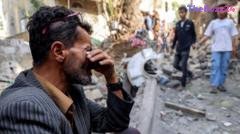
Yemen’s Forgotten Crisis: Inside the Houthi Siege of Taiz
Yemen’s third-largest city, Taiz, finds itself in a desperate struggle for survival, fully encircled by Houthi rebel forces. Home to an estimated 600,000 to one million people, the city has been cut off from the outside world, plunging its residents into a severe humanitarian crisis. Accounts from within the besieged city paint a grim picture of daily life under constant threat and extreme deprivation.
The Houthi encirclement has led to critical shortages of essential supplies. Food prices for staples like rice, sugar, and cooking oil have doubled or even trebled, while medicine, water, and fuel are rapidly dwindling. The city’s infrastructure is collapsing; schools are closed, restaurants are shuttered, and piles of uncollected rubbish are burned, releasing toxic smoke that contaminates the air. Residents, like Ashwaq, a mother of three, resort to telling their children that the sounds of shelling are merely fireworks to shield them from the terrifying reality. Emergency room doctors, such as Yaser, witness the horrific toll firsthand, treating children wounded by sniper fire and struggling with a hospital system on the brink of collapse, lacking even basic sterilizing fluid.
Taiz has long been a strategic battleground in Yemen’s civil war, which has raged for over a decade. The city is a vital gateway to Aden, the temporary seat of the internationally recognized government. Houthi rebels, reportedly backed by Iran, tightened their grip on Taiz last month, despite their leader, Abdul Malik al-Houthi, denying the siege and claiming routes remain open for aid. This assertion is vehemently refuted by the Yemeni government, Taiz residents, aid agencies, and the United Nations. Governor Nabil Shamsan of Taiz highlights the broader implications, suggesting the Houthis aim to alter the character of the predominantly Sunni city, known for its culture and pluralism, by imposing their strict religious doctrine.
Despite the overwhelming challenges and a profound sense of abandonment by the international community, many in Taiz are actively resisting. Volunteer training camps have emerged, with residents joining pro-government troops to defend their city against the Houthis, who are reportedly employing new technologies and drones. Fighters like Akram, a veteran of previous conflicts, express deep fears for their families but remain resolute, viewing the defense of Taiz as their duty. As the city endures relentless bombing and shelling, residents like photographer Ahmad Al-Basha voice frustration over the lack of international intervention, while Ashwaq issues a heartfelt plea: “Please don’t forget Taiz. We are ordinary families. We want our children to study, play and dream like other children around the world. We are not just numbers in news reports.”
Key Takeaways
- Yemen's third-largest city, Taiz, is under a severe Houthi siege, leading to a dire humanitarian crisis with critical shortages of food, medicine, and fuel.
- Residents face constant threats from shelling and sniper fire, with hospitals overwhelmed and basic services collapsing, while Houthi leaders deny the siege.
- Despite the extreme hardship and feeling of abandonment, the people of Taiz are actively resisting, defending their city and appealing for international attention and aid.
Editor’s Analysis & Impact
The ongoing siege of Taiz underscores the devastating human cost of Yemen’s protracted civil war. While direct market impact is limited, the conflict’s regional instability could indirectly affect global energy markets and shipping routes, particularly if escalations occur in strategic waterways. The future outlook for Taiz is dire without significant international intervention to ensure humanitarian access and a cessation of hostilities. The collapse of healthcare and essential services points to a looming humanitarian catastrophe. Broader implications include the continued failure of international diplomacy to resolve the conflict, the potential for widespread famine and disease, and the urgent need for accountability for actions that may constitute war crimes against civilians. The situation highlights the critical importance of protecting civilian populations in conflict zones and ensuring unhindered humanitarian aid.
Frequently Asked Questions
Q: What is the current situation in Taiz?
A: Taiz, Yemen's third-largest city, is currently under a complete siege by Houthi rebel forces, leading to severe shortages of essential supplies like food, medicine, and fuel, and a collapsing healthcare system.
Q: Who are the Houthis and what is their role in the conflict?
A: The Houthis are an Iran-backed rebel group that seized Yemen's capital, Sanaa, in 2014, sparking the ongoing civil war. They are currently encircling Taiz and are accused of targeting civilians and restricting humanitarian access.
Q: What are the main challenges faced by Taiz residents?
A: Residents face daily threats from shelling and sniper fire, extreme food and fuel price inflation, lack of medical supplies, spread of diseases, and the psychological toll of living under constant siege, with many feeling abandoned by the international community.
AI Disclosure: This article is based on verified data and official reports. Our Team and AI have cross-referenced every financial detail with primary sources to ensure total accuracy.
More from this Category