Mount Fuji Safety Alert: Officials Warn Against Off-Season Climbs Following Missing Hiker Case
The Chinese embassy in Japan has issued a stern advisory urging citizens to avoid off-season attempts to scale Mount Fuji. This warning follows the disappearance of 25-year-old Chen Jie, who went missing on the mountain on November 8. The situation has been further complicated by the hiker’s family, who have publicly offered a significant financial reward for information leading to his discovery, raising concerns that such incentives might encourage inexperienced or ill-equipped individuals to undertake dangerous search efforts.
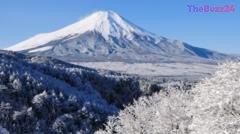
Mount Fuji, Japan’s tallest peak, officially closes its climbing season in early September, leaving the mountain without operational first-aid stations or shelters during the winter months. Authorities have highlighted that the current conditions, characterized by severe blizzards and high-velocity winds, pose life-threatening risks to anyone attempting to navigate the trails. Local officials in Yamanashi prefecture have expressed deep concern that the ongoing search operations, combined with the potential influx of amateur searchers, could trigger secondary disasters and endanger rescue personnel.
In response to the growing number of incidents, regional authorities are implementing stricter regulations for the coming year. Climbers will soon be required to submit detailed itineraries for off-season attempts, and those who require emergency helicopter rescues will be held financially responsible for the costs. These measures are designed to deter reckless behavior and ensure that visitors fully comprehend the extreme hazards associated with winter mountaineering on the iconic peak.
Key Takeaways
- The Chinese embassy has warned against off-season Mount Fuji climbs due to extreme weather and lack of emergency infrastructure.
- A missing hiker's family has offered a substantial reward, sparking fears that it may encourage dangerous, unauthorized search attempts.
- Yamanashi prefecture is introducing new policies, including mandatory climbing plans and rescue fees, to curb off-season accidents.
Editor’s Analysis & Impact
The incident at Mount Fuji underscores a growing tension between tourism accessibility and public safety in high-risk natural environments. As social media continues to drive interest in ‘off-the-beaten-path’ travel, iconic landmarks are facing increased pressure from visitors who may lack the necessary mountaineering expertise. The decision by Yamanashi authorities to impose financial liability for rescues represents a shift toward personal accountability in extreme sports. Moving forward, we can expect more Japanese prefectures to adopt similar regulatory frameworks to manage the burden on emergency services. The broader implication is a move toward ‘managed tourism,’ where access to dangerous terrain is strictly gated by administrative requirements, potentially setting a precedent for how other global natural wonders handle the intersection of tourism, safety, and liability.
Frequently Asked Questions
Q: Why is climbing Mount Fuji during the off-season considered dangerous?
A: The official climbing season ends in early September. During the off-season, there are no operational first-aid stations or shelters, and the mountain experiences severe blizzards and high winds that make it extremely hazardous.
Q: What new measures are being introduced for Mount Fuji climbers?
A: Starting next year, climbers attempting to scale the mountain during the off-season will be required to submit detailed climbing plans, and those requiring helicopter rescues will be billed for the service.
AI Disclosure: This article is based on verified data and official reports. Our Team and AI have cross-referenced every financial detail with primary sources to ensure total accuracy.
More from this Category