How Traditional Cumin Sodas Are Disrupting India’s Soft Drink Giants
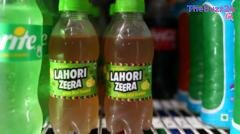
A casual kitchen experiment by three cousins in the north-western Indian state of Punjab has blossomed into a formidable challenge against global beverage titans. Frustrated by a lack of organized options for traditional street-side cumin sodas, the trio founded Lahori Zeera in 2017. Today, the tangy, earthy carbonated drink has captured the imagination of millions, taking a significant bite out of the market dominance traditionally held by international cola conglomerates in India’s massive mass-market beverage sector.
The phenomenal rise of Lahori Zeera is part of a broader culinary shift across the country. A growing consumer appetite for nostalgic, localized flavors and beverages perceived as healthier has paved the way for a booming ‘ethnic beverages market.’ Brands such as Jeeru by Xotik Frujus, Mukesh Ambani-backed Campa Jeera, and long-standing regional players like House of Bindu are experiencing unprecedented demand. Industry data reveals that these domestic upstarts have collectively expanded their share of the carbonated soft-drinks market significantly, prompting industry watchers to dub the phenomenon a structural disruption akin to massive telecom market shake-ups.
Driving this growth is a combination of aggressive distribution, affordable pricing—particularly the popular ten-rupee price point—and deep cultural resonance. While multinational giants spent decades marketing westernized concepts of hydration through celebrity endorsements and vast advertising budgets, home-grown brands have re-engaged consumers with familiar, indigenous profiles featuring cumin, raw mango, tamarind, and kokum. Even as global giants attempt to adapt by ramping up their own ethnic portfolios, domestic founders remain undeterred, with ambitions to take authentic Indian flavors to the global stage.
Key Takeaways
- Home-grown cumin-flavored sodas are rapidly gaining market share from global beverage giants like Coca-Cola and PepsiCo in India.
- The 'ethnic beverages market' doubled its share of India's carbonated soft-drinks sector to roughly 15%, driven by demand for nostalgic and healthier local flavors.
- Despite explosive growth and production expansions, domestic brands face future challenges including thin profit margins, rising raw material costs, and aggressive competition from well-funded multinationals.
Editor’s Analysis & Impact
The rapid ascent of cumin-infused sodas in India highlights a broader global trend of consumers shifting away from standardized western products toward culturally resonant, localized alternatives. This insurgence demonstrates that established duopolies in the consumer goods space are increasingly vulnerable to agile, culturally attuned regional brands. However, the heavy reliance on ultra-low price points presents a distinct margin vulnerability amid fluctuating commodity and energy costs. If these homegrown brands can successfully navigate supply chain scaling and potential counter-attacks from deep-pocketed multinationals, they could serve as a blueprint for disruptive challengers in emerging markets worldwide, potentially reshaping export strategies for traditional regional ingredients.
Frequently Asked Questions
Q: What is Lahori Zeera?
A: Lahori Zeera is a popular Indian carbonated soft drink flavored with cumin (zeera), launched in 2017 by three cousins in Punjab to challenge traditional global cola brands.
Q: How are local Indian brands impacting major cola companies?
A: Home-grown ethnic beverage brands have collectively doubled their share of India's carbonated soft-drinks market to around 15%, reducing the combined market share of giants like Coca-Cola and PepsiCo.
Q: What are the main challenges facing these ethnic beverage brands?
A: Key challenges include maintaining profitability at very low price points, rising costs for packaging and raw materials, and competing against the superior distribution networks and deep pockets of multinational beverage companies.
AI Disclosure: This article is based on verified data and official reports. Our Team and AI have cross-referenced every financial detail with primary sources to ensure total accuracy.
More from this Category