Autonomous Mobility Battles Accelerate as Auto Titans Shift Leadership and Capital
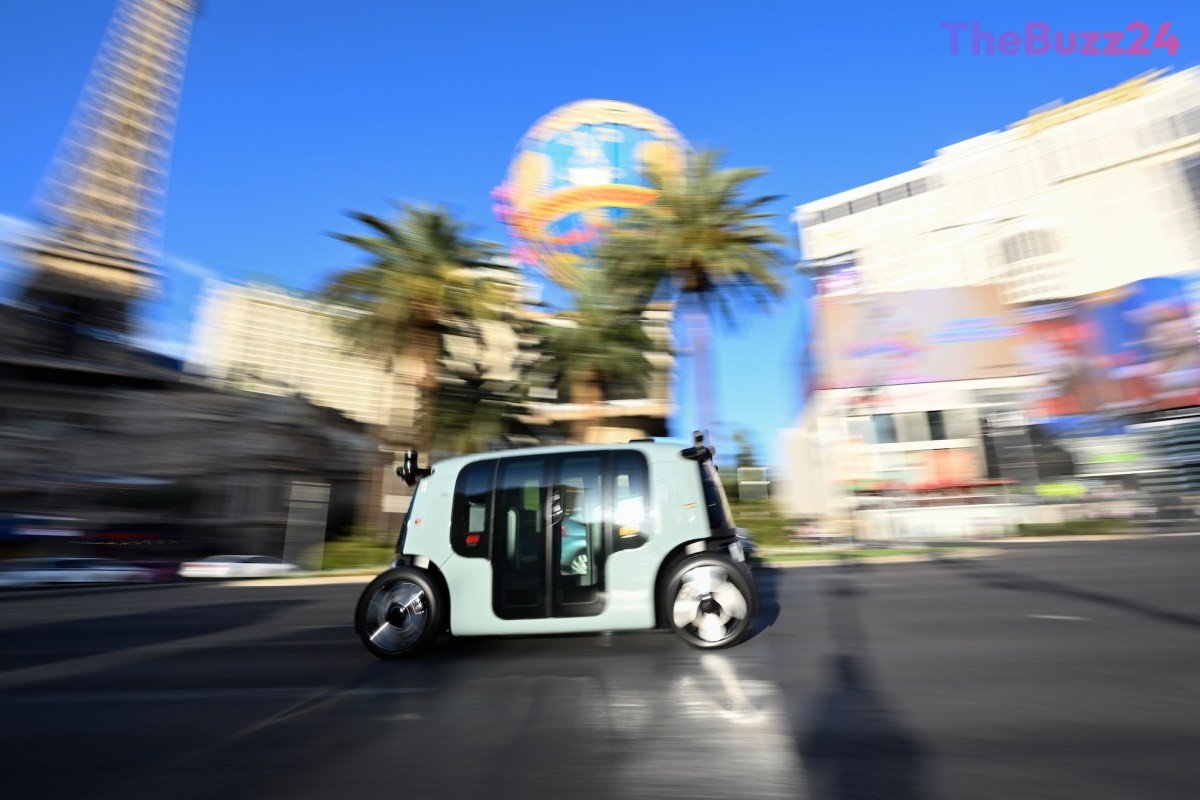
The autonomous vehicle landscape is entering a critical transitional phase defined by shifting fleet dynamics, commercial app integrations, and intense regional competition. In Texas, Tesla has outpaced competitors in raw vehicle registrations, registering 1,507 robotaxis compared to Waymo’s 1,345, though Waymo continues to lead in total commercial driverless miles logged. Meanwhile, Las Vegas is fast becoming the primary proving ground for consumer preference between human drivers and automated systems. Through new integrations on ride-hailing platforms like Uber, passengers are beginning to access driverless rides from operators such as Zoox and Hyundai subsidiary Motional, establishing an operational live test between robotic efficiency and traditional human drivers.
Beyond immediate fleet deployments, major automakers are restructuring leadership and capital allocations to secure long-term positioning in next-generation transport. General Motors has engaged executive search firm Heidrick & Struggles to evaluate potential candidates to succeed Chief Executive Officer Mary Barra. The board is exploring a dual strategy, examining established automotive executives such as Hyundai’s José Muñoz, external technology leaders, and internal figures like Chief Product Officer Sterling Anderson and Chief Financial Officer Paul Jacobson. Simultaneously, Tesla is doubling down on its dedicated self-driving vision by committing approximately $3.3 billion to expand its Berlin gigafactory for Cybercab manufacturing, alongside accepting early consumer pre-orders for the $29,990 vehicle accompanied by a $299 monthly subscription fee.
Venture capital and private funding across the broader mobility ecosystem remain robust despite broader economic uncertainty. Automotive software developer Vincue recently secured $93 million in growth capital, while artificial intelligence dealership platform Numa completed a $45 million Series C round. European electric motorcycle manufacturer Stark Future finalized an equity round exceeding €150 million, and Dutch electric aviation startup Elysian Aircraft closed a €12 million round. Additionally, Mahindra & Mahindra’s electric three-wheeler unit, Mahindra Last Mile Mobility, is actively preparing for an initial public offering slated within the next 18 months.
On the logistics front, autonomous delivery systems are advancing from localized trials to scalable regional infrastructure. Zipline and Uber Eats officially launched commercial drone delivery operations in suburban Houston, marking the initial step toward an ambitious goal of executing 1 million daily autonomous drone deliveries by the end of 2029. Coupled with advancements in industrial recycling—such as Redwood Materials deploying machine learning vision systems to sort 40,000 metric tons of battery feedstock annually—the transport sector is rapidly maturing beyond basic vehicle automation into a fully integrated logistics network.
Key Takeaways
- Las Vegas is becoming a key live market for testing rider preference between autonomous ride-hailing services like Zoox and human drivers on Uber.
- General Motors has initiated formal executive search processes to identify potential internal and external successors for CEO Mary Barra.
- Tesla committed $3.3 billion to expand its Berlin plant for Cybercab production, alongside capital raises across electric aviation, dealership AI, and drone delivery.
Editor’s Analysis & Impact
The global transportation and mobility sectors are transitioning from technological experimentation to high-stakes commercial execution. Platform aggregators like Uber are emerging as the dominant distribution channel for autonomous fleets, positioning themselves to capitalize on robotaxi rollouts without bearing hardware manufacturing overhead. Simultaneously, legacy automakers like General Motors recognize that surviving the next decade requires software-centric leadership, driving potential executive succession planning. Tesla’s multi-billion-dollar commitment to Cybercab production in Europe underlines the aggressive scaling strategies necessary to secure market share. Capital flows into supporting infrastructure—ranging from AI-driven dealership platforms to battery recycling and automated drone logistics—further confirm that investors view the entire mobility ecosystem as undergoing a fundamental operational overhaul.
Frequently Asked Questions
Q: How are ride-hailing platforms like Uber integrating autonomous vehicles?
A: Uber is partnering directly with driverless vehicle companies such as Zoox and Motional, dispatching available robotaxis to riders in cities like Las Vegas while developing dedicated autonomous ride options inside the app.
Q: What are Tesla's recent investments regarding the Cybercab?
A: Tesla is committing approximately $3.3 billion to expand its Berlin gigafactory for Cybercab manufacturing, while offering early pre-orders for the vehicle priced at $29,990 alongside a $299 monthly service subscription.
Q: Is General Motors replacing its leadership?
A: General Motors' board has retained executive search firms to evaluate candidates for potential CEO succession planning, considering both internal executives and external leaders from the automotive and tech sectors.
AI Disclosure: This article is based on verified data and official reports. Our Team and AI have cross-referenced every financial detail with primary sources to ensure total accuracy.
More from this Category