New Delhi and Kathmandu Forge Closer Ties as India Unveils $1.6 Billion Reconstruction Aid for Nepal
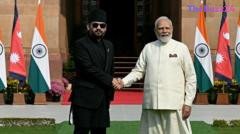
In a decisive diplomatic move aimed at revitalizing long-strained bilateral ties, Indian Prime Minister Narendra Modi welcomed Nepali Prime Minister Balen Shah to New Delhi for high-level bilateral talks. The summit marked Shah’s first official state visit to India since taking office, setting a cooperative tone between the two leaders despite their stark generational differences and past diplomatic friction. Highlighting the renewed partnership, both nations concluded broad agreements spanning trade corridors, energy infrastructure, and transport connectivity, while inaugurating a landmark passenger rail route connecting the pilgrimage cities of Ayodhya and Janakpur.
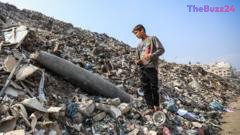
Central to the discussions was an expansive $1.6 billion financial support package pledged by India to assist Nepal in the wake of catastrophic seasonal flash floods. The disasters claimed over 1,400 lives and inflicted structural damages estimated at nearly $4.8 billion across the Himalayan nation. Under the newly unveiled framework, approximately $400 million will be allocated directly as reconstruction and infrastructure grants, with the remainder structured as lines of credit designated for major energy and hydropower developments.
Beyond immediate disaster relief, the summit yielded tangible logistical breakthroughs for landlocked Nepal. Indian authorities granted Nepali cargo operators transit access to two strategic maritime gateways—the ports of Kandla and Paradip—significantly diversifying Nepal’s commercial shipping avenues. Both administrations also reached an accord to establish a bidirectional air route connecting Kathmandu, Bhairahawa, and Lucknow, facilitating smoother regional aviation movement.
However, delicate geopolitical realities still lingered beneath the surface of the cordial proceedings. Bilateral border negotiations were notably excluded from public remarks, signaling a mutual preference to utilize standard diplomatic mechanisms rather than inflame political sensitivities. Meanwhile, broader Nepali requests for expansive commercial airspace access surrounding newly developed airports in Pokhara and Bhairahawa remained on hold, reflecting persistent Indian security considerations regarding regional geopolitical entanglements. Despite these pending challenges, the visit represents a pragmatic shift toward economic stabilization for Kathmandu and strategic realignment for New Delhi.
Key Takeaways
- India unveiled a $1.6 billion financial assistance package for Nepal, featuring $400 million in grants alongside credit lines for energy and reconstruction projects.
- Nepal secured vital trade connectivity enhancements, including access to India's Kandla and Paradip ports and a newly inaugurated cross-border rail service connecting Ayodhya with Janakpur.
- Sensitive political issues, such as disputed territorial borders and broader international airspace access, were set aside to prioritize immediate economic recovery.
Editor’s Analysis & Impact
The meeting between Narendra Modi and Balen Shah highlights a calculated shift in South Asian diplomacy. For Nepal, navigating domestic pressure following severe climate devastation necessitated securing immediate capital and trade routes without surrendering sovereignty. For India, proactive financial engagement counters expanding Chinese regional influence while reaffirming New Delhi’s position as Kathmandu’s indispensable primary partner. By shelving controversial cartographic disputes in favor of pragmatic economic cooperation, both administrations have chosen stability over posturing. However, India’s hesitation to open airspace over Chinese-backed infrastructure projects demonstrates that New Delhi remains vigilant. Moving forward, Shah’s leadership will be tested on whether this delicate equilibrium between India and China can be maintained without triggering domestic pushback over unresolved territorial sovereignty.
Frequently Asked Questions
Q: What is included in India's $1.6 billion commitment to Nepal?
A: The package includes approximately $400 million in direct grants dedicated to infrastructure and disaster reconstruction, alongside credit lines designated for energy and hydropower development initiatives.
Q: Which new transportation and trade links were agreed upon during the summit?
A: The two countries launched a direct passenger rail service between Ayodhya and Janakpur, established a bidirectional flight corridor connecting Kathmandu, Bhairahawa, and Lucknow, and granted Nepal commercial access to the Indian ports of Kandla and Paradip.
Q: Why were border disputes omitted from the leaders' public statements?
A: Both administrations chose to prioritize urgent economic recovery and infrastructure cooperation, opting to address territorial disagreements through existing technical diplomatic channels rather than high-profile public debates.
AI Disclosure: This article is based on verified data and official reports. Our Team and AI have cross-referenced every financial detail with primary sources to ensure total accuracy.
More from this Category