How Nvidia’s Leadership Saga Reshapes US-China Tech Diplomacy and Trade Dynamics
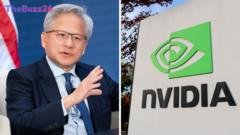
The reinstatement of Jensen Huang at the helm of Nvidia has captivated global audiences, quickly becoming a major focal point of discussion across international markets and digital platforms alike. The high-profile leadership shift, widely viewed as a stunning reversal, carries significant geopolitical implications, particularly for leadership in Beijing. Observers note that the resolution of this internal corporate crisis provides critical insights into how international diplomacy, corporate influence, and trade negotiations intersect under the current administration.
Beijing has consistently dismissed allegations linking the executive to foreign intelligence operations, characterizing such claims as politically motivated smear campaigns orchestrated by hardliners. Meanwhile, the administration in Washington has publicly maintained that the executive poses no immediate national security threat, even as investigations and upcoming congressional testimonies loom. This delicate balance highlights the deep divisions within Western policymaking regarding economic engagement versus technological containment, particularly concerning advanced semiconductor access.
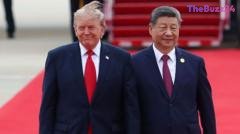
Chinese leadership views the situation through the lens of leverage and direct negotiation. The timing of the leadership restoration, coinciding closely with high-level bilateral meetings in Shenzhen, suggests to foreign policymakers that direct engagement remains a potent tool for swaying policy outcomes. However, relief for foreign markets remains uncertain. Regulatory bodies continue to tighten export controls, aiming to close loopholes that allow overseas data centers to bypass restrictions on advanced computing hardware. These evolving regulations indicate that access to cutting-edge technology will remain a central friction point in ongoing trade negotiations.
As the situation develops, broader economic stability hangs in the balance. The interconnected nature of global supply chains—ranging from rare earth minerals controlled by eastern markets to advanced semiconductor manufacturing in the West—means that any retaliatory policy shift could trigger widespread market volatility. With upcoming congressional hearings and impending policy reviews, the semiconductor landscape remains a volatile arena where corporate governance, national security, and global trade continuously collide.
Key Takeaways
- Jensen Huang's return to Nvidia's leadership has sparked intense global interest and strategic analysis regarding US-China relations.
- Beijing perceives the leadership reinstatement and subsequent diplomatic exchanges as an indicator of how direct executive engagement can influence foreign policy.
- Despite the leadership resolution, tighter semiconductor export controls and upcoming congressional testimonies point to continued friction over advanced technology.
Editor’s Analysis & Impact
The Jensen Huang leadership controversy serves as a microcosm for the broader technological cold war between major global economies. As semiconductor supremacy dictates the future of artificial intelligence, military capability, and economic dominance, corporate governance can no longer be viewed in isolation from geopolitics. The involvement of top political figures in private sector leadership decisions underscores the fragile intersection of national security and free-market capitalism. Looking forward, the interplay between export restrictions and retaliatory controls—such as rare earth mineral leverage—will likely dictate market sentiment. Investors must closely monitor regulatory tightening in cloud computing and data centers, as these policy adjustments threaten to disrupt established global supply chains and weigh heavily on international equity markets.
Frequently Asked Questions
Q: Why has Jensen Huang's return to Nvidia attracted international attention?
A: His reinstatement is viewed not only as a massive corporate turnaround but also as a geopolitical event that highlights the complex relationship between corporate leadership, national security, and US-China trade dynamics.
Q: How are US regulators responding to advanced chip access for foreign markets?
A: Regulatory bodies are actively tightening restrictions to target not only direct hardware exports but also foreign firms' ability to utilize computing power through overseas cloud providers and data centers.
Q: What role do rare earth minerals play in this technological standoff?
A: Rare earth minerals represent a significant economic chokehold for Beijing, which can potentially leverage these essential materials during trade negotiations if Western export restrictions on advanced technology escalate.
AI Disclosure: This article is based on verified data and official reports. Our Team and AI have cross-referenced every financial detail with primary sources to ensure total accuracy.
More from this Category