Nigerian Monarch Suspended Amid Sexual Assault Allegations, Investigation Launched
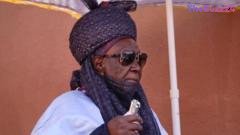
A prominent traditional ruler in Nigeria, the 92-year-old Emir of Daura, Umar Farouk Umar, has been suspended from all official duties and travel following serious allegations of sexual assault. The suspension comes after a Polish tourist accused the monarch of inappropriate conduct during a recent visit to his palace.
The visitor detailed her experience on social media, claiming that Emir Umar had grabbed her chest during a tourism encounter, leaving her feeling deeply disgusted. A video, which has since been removed, was reportedly posted by the tourist, showing a man believed to be the emir holding her hands before reaching towards her chest, prompting her to repeatedly say, “Stop, stop.” The allegations quickly ignited widespread public discussion across social media platforms, with many citizens demanding the emir’s suspension and a thorough investigation into the matter.
Responding to the public outcry, the Katsina state government, led by Governor Dikko Umaru Radda, has confirmed the immediate constitution of a committee to investigate the claims. While the government has not disclosed the committee’s membership, terms of reference, or timeline for its report, it has affirmed its commitment to taking the allegations seriously and fully implementing the committee’s findings to ensure justice is served. Emir Umar has not yet issued any public statement regarding the allegations or his suspension.
The Emir of Daura holds a significant cultural and religious position, particularly for the Hausa people who predominantly inhabit northern Nigeria. Daura is revered as their spiritual homeland and the origin of the Hausa royal lineage, making the emir’s role crucial despite traditional rulers having lost much of their political power in modern Nigeria. Politicians frequently seek the emir’s blessings and support, underscoring the enduring influence of such traditional institutions.
Key Takeaways
- The 92-year-old Emir of Daura, Umar Farouk Umar, has been suspended from official duties following sexual assault allegations by a Polish tourist.
- Katsina state government has launched an investigation committee, vowing to ensure justice and implement its findings.
- The incident highlights the enduring cultural and religious influence of traditional monarchs in northern Nigeria, despite their diminished political power.
Editor’s Analysis & Impact
This incident involving a high-profile traditional ruler in Nigeria carries significant implications for governance, social justice, and the role of traditional institutions. The swift action by the Katsina state government to suspend the Emir and launch an investigation signals a commitment to accountability, potentially setting a precedent for how allegations against influential figures are handled. This could bolster public trust in governmental oversight and the justice system. Furthermore, the widespread social media reaction underscores the growing power of public opinion and digital activism in holding even deeply entrenched authorities accountable. For traditional institutions, this event may prompt a re-evaluation of their conduct and public perception, especially as they navigate modern societal expectations while retaining cultural significance. The outcome of the investigation will be closely watched, potentially influencing future interactions between traditional rulers, citizens, and the state.
Frequently Asked Questions
Q: Who is Umar Farouk Umar?
A: Umar Farouk Umar is the 92-year-old Emir of Daura, a prominent traditional ruler in northern Nigeria. He has held the throne since 2007 and is highly revered by the Hausa people, for whom Daura is considered a spiritual homeland.
Q: What are the allegations against the Emir of Daura?
A: A Polish tourist has accused Emir Umar Farouk Umar of sexual assault, specifically claiming he grabbed her chest during a visit to his palace. The tourist reportedly shared a video on social media detailing the encounter.
Q: What is the role of an Emir in modern Nigeria?
A: Emirs are traditional rulers who hold significant cultural and religious influence, particularly in northern Nigeria, dating back to pre-colonial times. While they have largely lost their political power, they still command respect and play a crucial role in community affairs, often consulted by politicians and religious leaders.
AI Disclosure: This article is based on verified data and official reports. Our Team and AI have cross-referenced every financial detail with primary sources to ensure total accuracy.
More from this Category