Iranian Hackers Suspected in Widespread Cyberattacks on Global Oil Tankers
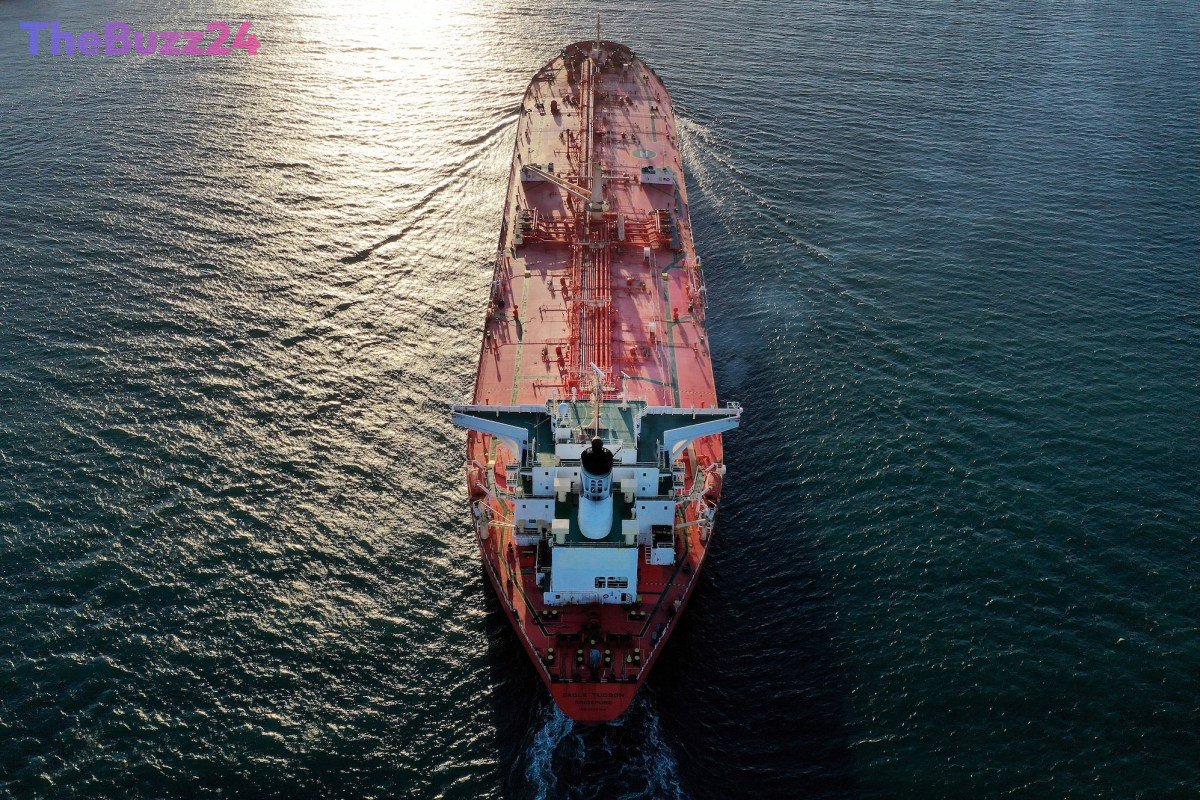
A significant wave of cyberattacks targeting dozens of oil and shipping tankers has raised alarms among U.S. officials, who suspect Iranian state-sponsored actors may be responsible for as many as 50 breaches in recent weeks. The sophisticated attacks have affected vessels carrying crucial commodities such as oil, liquefied natural gas, and other hazardous chemicals as they traverse routes across Asia and Europe.
Several oil tankers en route to the United States in August experienced breaches in their navigation systems, prompting urgent investigations by cybersecurity experts from the FBI and the Coast Guard. These incidents have led officials to explore whether Iran is escalating its cyber campaign against the U.S. by targeting large maritime vessels. The potential motives being examined include sowing widespread fear within the shipping industry, disrupting global trade routes, or even attempting to instigate catastrophic explosions at port facilities.
Investigators are reportedly looking into the exploitation of a vulnerability known as FortiBleed, which enables unauthorized access to networks through compromised Fortinet-made routers. A joint security advisory issued by the FBI and the Coast Guard in September had previously highlighted the use of these vulnerable routers on shipping vessels, indicating a potential vector for these recent attacks. This development comes amid a broader context of heightened cyber tensions, with U.S. officials having previously attributed numerous cyberattacks to Iran, including those targeting American water infrastructure and medical technology firms.
While the full extent of the damage and the precise number of affected vessels are still under investigation, the incidents underscore the growing threat of cyber warfare in critical infrastructure sectors. The maritime industry, vital for global commerce, now faces increased pressure to bolster its cybersecurity defenses against increasingly sophisticated and state-backed threats.
Key Takeaways
- Dozens of oil and shipping tankers have been targeted in recent cyberattacks, with U.S. officials suspecting Iranian involvement.
- The attacks compromised navigation systems and targeted vessels carrying hazardous materials, raising concerns about potential disruptions and safety risks.
- Investigators are examining the exploitation of a vulnerability in Fortinet routers as a possible method used by the hackers.
Editor’s Analysis & Impact
This series of cyberattacks on the global shipping industry highlights the escalating use of digital warfare against critical infrastructure. The suspected involvement of a state actor like Iran suggests a strategic effort to disrupt international trade and sow fear, potentially impacting energy prices and supply chains. The reliance on common vulnerabilities, such as those in network routers, underscores the need for robust, industry-wide cybersecurity standards and rapid patching protocols. As maritime trade becomes increasingly digitized, the sector must prioritize advanced threat detection and incident response capabilities to mitigate risks from sophisticated, state-sponsored cyber threats.
Frequently Asked Questions
Q: What is the FortiBleed vulnerability?
A: FortiBleed is a security vulnerability that allows hackers to gain unauthorized access to networks by exploiting weaknesses in certain Fortinet-made routers, which are commonly used in various industries, including maritime shipping.
Q: What are the potential consequences of these cyberattacks on shipping tankers?
A: The cyberattacks could lead to the disruption of global trade routes, cause significant fear and uncertainty within the shipping industry, and potentially result in dangerous incidents like explosions if vessels carrying hazardous materials are compromised.
Q: Why might Iran be targeting shipping vessels?
A: U.S. officials are investigating whether Iran is expanding its cyber operations to sow fear, disrupt trade, or retaliate for geopolitical events. The targeting of large vessels could be a strategic move to exert pressure on international commerce and global stability.
AI Disclosure: This article is based on verified data and official reports. Our Team and AI have cross-referenced every financial detail with primary sources to ensure total accuracy.
More from this Category