Autonomous Vehicle Incident in Austin Neighborhood Sparks Safety Debate
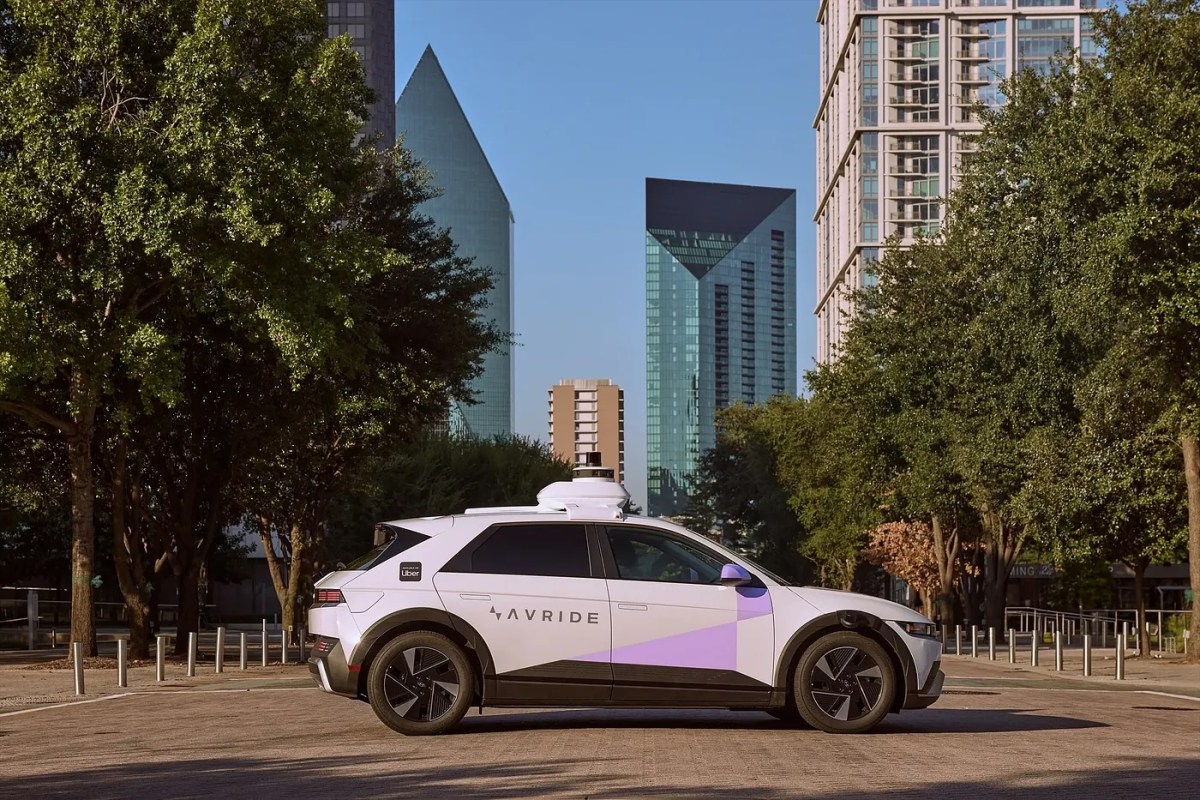
A recent collision involving an Avride autonomous vehicle in Austin’s Mueller Lake neighborhood has ignited a heated discussion regarding the safety and integration of self-driving technology within residential communities. The incident occurred while the vehicle was operating in autonomous mode with a human safety operator on board, resulting in the death of a mother duck. Local residents expressed significant distress, noting that the vehicle appeared to maintain its course without attempting to decelerate or avoid the animal.
The community’s reaction was swift, with neighbors rallying to save the duck’s unhatched eggs, which were subsequently placed in an incubator. This event has prompted broader scrutiny of how autonomous systems are programmed to detect and respond to small, unpredictable obstacles in real-world settings. While the incident involved wildlife, it has raised valid concerns among residents about the potential for similar failures when encountering pets or small children in residential zones.
In the wake of the backlash, Avride has taken steps to adjust its operations, confirming that it has removed specific streets within the Mueller Lake area from its testing routes. The company stated that it conducted a comprehensive review of vehicle data and performed simulations to better understand the failure. Although Avride maintains that the vehicle was in full compliance with traffic laws, including stop signs, it is currently exploring technological upgrades to enhance the system’s responsiveness to small objects.
Austin continues to serve as a major testing ground for autonomous vehicle developers, including major players like Zoox, Tesla, and Waymo. This incident highlights the ongoing challenge of balancing rapid technological advancement with the safety expectations of the public. As autonomous fleets become more prevalent on public roads, the industry faces increasing pressure to prove that these systems can safely navigate the complexities of daily life beyond simple traffic regulation.
Key Takeaways
- An Avride autonomous vehicle killed a mother duck in a residential Austin neighborhood, leading to significant community concern.
- Avride has modified its testing routes to avoid the affected area while reviewing data to improve sensor responsiveness.
- The incident highlights the tension between autonomous vehicle deployment and the need for systems to safely navigate unpredictable residential environments.
Editor’s Analysis & Impact
The Austin incident serves as a critical case study regarding the ‘last mile’ of autonomous vehicle development: the ability to navigate the chaotic, unpredictable nature of residential streets. While the loss of wildlife is a localized issue, it functions as a significant proxy for public trust. If an autonomous system fails to detect or react to small animals, the public will inevitably question its reliability in more complex, high-stakes scenarios involving humans. For the industry, this underscores that technical adherence to traffic laws is not enough to ensure public acceptance. Companies must prioritize the ‘social license’ to operate by demonstrating that their technology can handle the nuances of community life. Future success for firms like Avride, Waymo, and Tesla will depend on their ability to integrate community feedback into their development cycles, ensuring that safety protocols evolve alongside their sensor capabilities.
Frequently Asked Questions
Q: Did the autonomous vehicle violate any traffic laws during the incident?
A: Avride reported that its internal data review confirmed the vehicle was in compliance with all traffic regulations, including stop signs, at the time of the collision.
Q: What actions has Avride taken in response to the community's concerns?
A: The company has removed specific streets in the Mueller Lake neighborhood from its testing routes and is currently evaluating software updates to improve the vehicle's ability to navigate similar encounters.
AI Disclosure: This article is based on verified data and official reports. Our Team and AI have cross-referenced every financial detail with primary sources to ensure total accuracy.
More from this Category