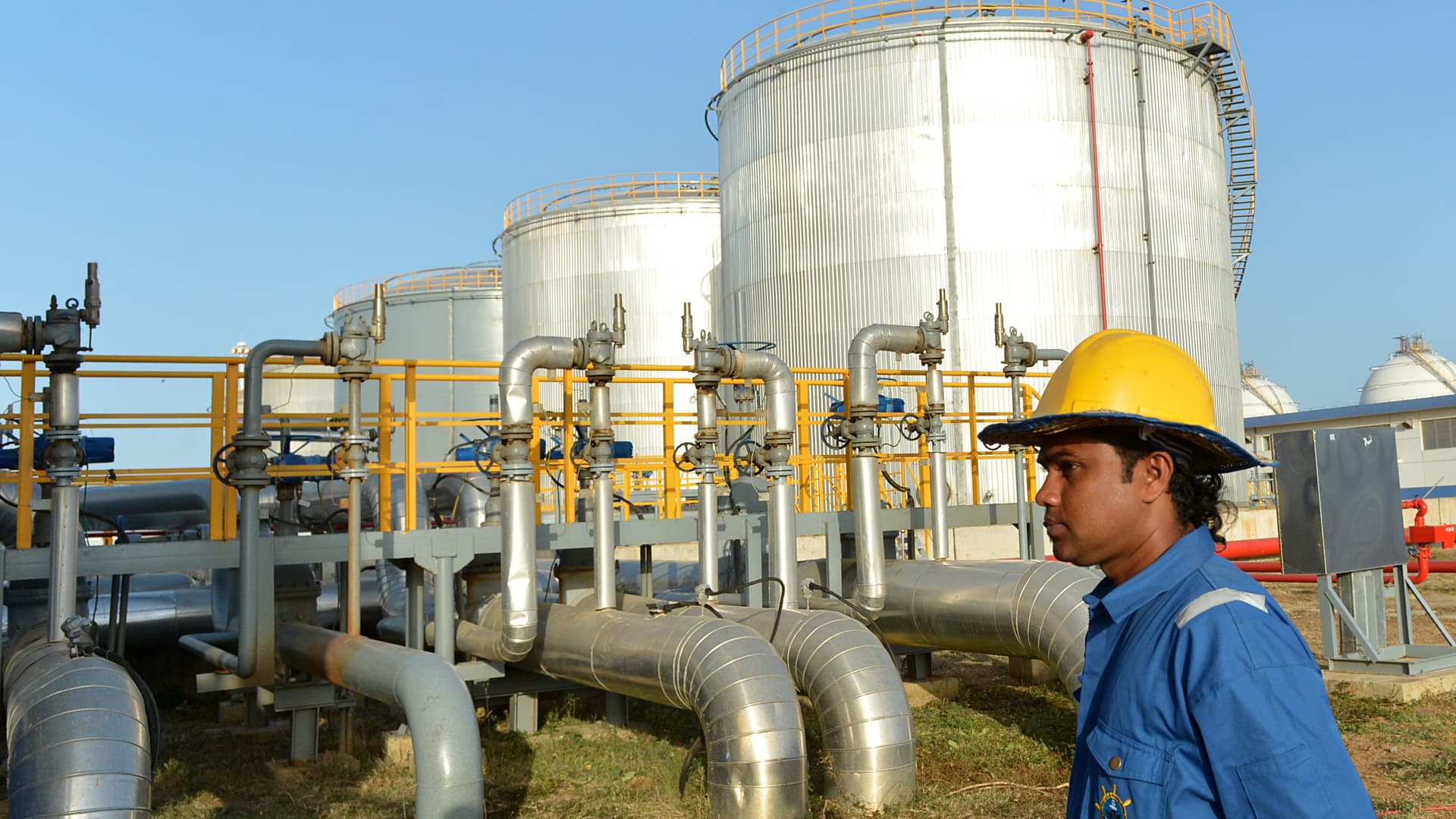
Asia Faces Economic Stress Test Amid Surging Global Energy Costs
Rising global energy prices are casting a shadow of uncertainty over Asian financial markets, prompting investors to reassess the region’s exposure to international economic volatility. As the cost of oil and other energy commodities climbs, there is growing concern that persistent inflation and ongoing supply-chain bottlenecks could threaten the hard-won economic stability that many Asian nations have cultivated over the past several years. This environment has led analysts to scrutinize whether existing fiscal frameworks possess the necessary durability to endure a prolonged period of energy market instability.
Despite these concerns, the economic foundation of Asia has undergone a profound transformation since the financial crises of the late 1990s. Unlike previous periods of instability, which were often exacerbated by internal structural vulnerabilities, the current challenges are largely driven by external supply-side constraints. Over the last two decades, major economies in the region have fortified their positions by building substantial foreign exchange reserves and adopting more stringent fiscal oversight. These strategic buffers are intended to shield regional markets from the unpredictable nature of global commodity trading.
Nevertheless, the specter of stagflation remains a formidable challenge for central banks and financial regulators. Policymakers are currently navigating a delicate balancing act, attempting to curb the inflationary pressures caused by rising energy costs without inadvertently stifling industrial growth. As global market conditions remain fluid, the primary objective for regional leadership is to maintain institutional agility, ensuring that these economies can effectively absorb future shocks while navigating an increasingly volatile global landscape.
Key Takeaways
- Escalating global energy prices are fueling inflationary pressures and economic uncertainty throughout Asian markets.
- Asian economies are significantly better positioned to handle external shocks today compared to the 1990s due to robust foreign exchange reserves and improved fiscal management.
- Central banks are struggling to manage the trade-off between controlling inflation and maintaining industrial growth in a volatile energy environment.
Editor’s Analysis & Impact
The current economic climate in Asia highlights a critical transition period where regional resilience is being tested against global supply-side shocks. While the accumulation of foreign exchange reserves provides a necessary safety net, the threat of stagflation suggests that traditional fiscal tools may have limited efficacy. Looking ahead, the ability of Asian central banks to manage interest rates and inflation expectations will be the primary determinant of regional stability. If energy prices remain elevated, we can expect a shift toward more aggressive energy diversification strategies and a potential slowdown in manufacturing output. The broader implication is that Asia’s long-term growth trajectory will increasingly depend on its capacity to decouple industrial productivity from volatile global commodity markets, necessitating a move toward greater energy independence and structural economic reform.
Frequently Asked Questions
Q: Why are Asian markets currently vulnerable to global oil prices?
A: Asian markets are vulnerable because many nations in the region remain dependent on energy imports, making them susceptible to supply-side constraints and price spikes that drive domestic inflation.
Q: How does the current economic situation differ from the 1990s financial crisis?
A: The current challenges are primarily driven by external supply-side factors rather than internal structural weaknesses, and modern Asian economies possess significantly larger foreign exchange reserves to act as a buffer.
AI Disclosure: This article is based on verified data and official reports. Our Team and AI have cross-referenced every financial detail with primary sources to ensure total accuracy.
More from this Category