Geopolitical Tensions Rise as U.S. Administration Challenges NATO and Greenland Strategy
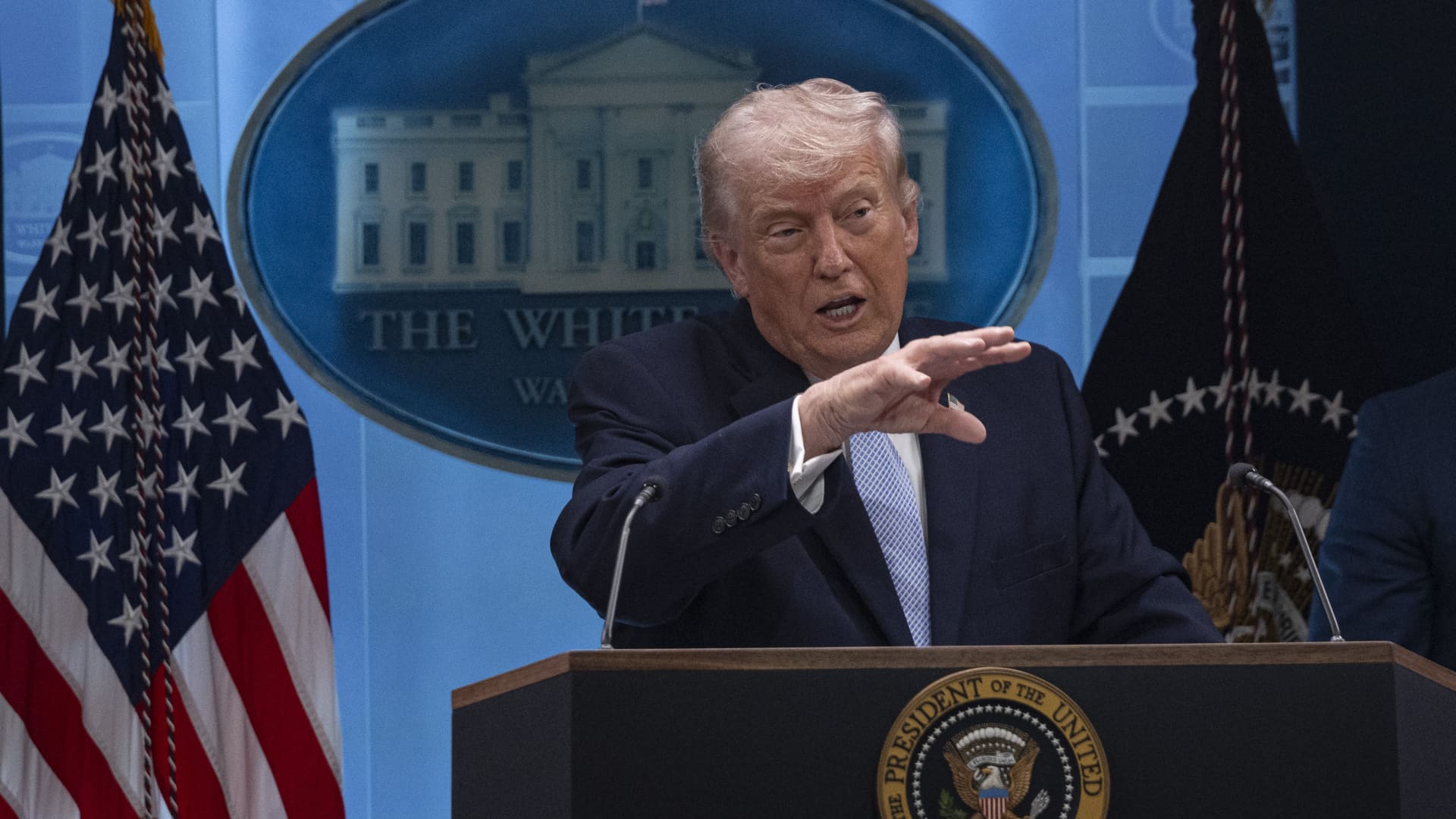
The U.S. administration has intensified its critical stance toward NATO, casting doubt on the reliability of the 32-member security alliance. This shift in rhetoric comes as international relations remain strained by the ongoing conflict with Iran. The President has publicly questioned the commitment of alliance members to U.S. interests, suggesting that the current structure of the partnership may no longer serve American strategic goals.
At the heart of this friction is the refusal of several NATO nations to align with U.S.-led military operations targeting Iran. Specifically, the reluctance of allies to provide naval support or airspace access for missions in the Strait of Hormuz has led to warnings from the White House regarding the future of U.S. participation in the alliance. This diplomatic standoff is increasingly viewed as a significant test of Western unity, particularly as Iran continues to exert influence over critical energy shipping lanes.
Parallel to these developments, the administration has renewed its focus on Greenland. While officials have downplayed the prospect of territorial acquisition, there is growing evidence that the Pentagon is evaluating options for military expansion within the region. Experts suggest this move is a calculated effort to increase leverage over European partners. As the situation with Iran remains volatile following reports of renewed strikes, the administration’s dual pressure on NATO and its strategic interest in Greenland are contributing to a period of heightened global instability.
Key Takeaways
- The U.S. administration is questioning the reliability of NATO due to a lack of support for operations against Iran.
- Allies have declined to assist with naval and airspace access in the Strait of Hormuz, leading to threats of potential U.S. withdrawal from the alliance.
- The Pentagon is exploring military expansion in Greenland, which analysts interpret as a strategic maneuver to pressure European partners.
Editor’s Analysis & Impact
The current diplomatic friction signals a potential paradigm shift in Western security architecture. By publicly questioning the utility of NATO, the U.S. is signaling a move toward a more transactional foreign policy, prioritizing immediate national objectives over long-standing multilateral commitments. The focus on Greenland suggests a pivot toward Arctic security and resource dominance, which serves as both a strategic hedge against regional adversaries and a pressure point for European allies. If the U.S. continues to alienate its traditional partners, the resulting power vacuum could embolden regional actors like Iran to further disrupt global energy markets. The long-term outlook suggests a period of significant volatility, where the traditional ‘rules-based’ international order is increasingly challenged by unilateral strategic maneuvers and a weakening of collective defense agreements.
Frequently Asked Questions
Q: Why is the U.S. administration critical of NATO members?
A: The criticism stems from the refusal of several NATO members to support U.S.-led military operations against Iran, particularly regarding naval assistance and airspace access in the Strait of Hormuz.
Q: Is the U.S. planning to invade Greenland?
A: While the administration has expressed interest in the territory and the Pentagon is exploring military expansion options, officials maintain that these discussions are not a precursor to an invasion.
AI Disclosure: This article is based on verified data and official reports. Our Team and AI have cross-referenced every financial detail with primary sources to ensure total accuracy.
More from this Category