Federal Reserve Leadership in Limbo as Legal Battle Over Jerome Powell Intensifies
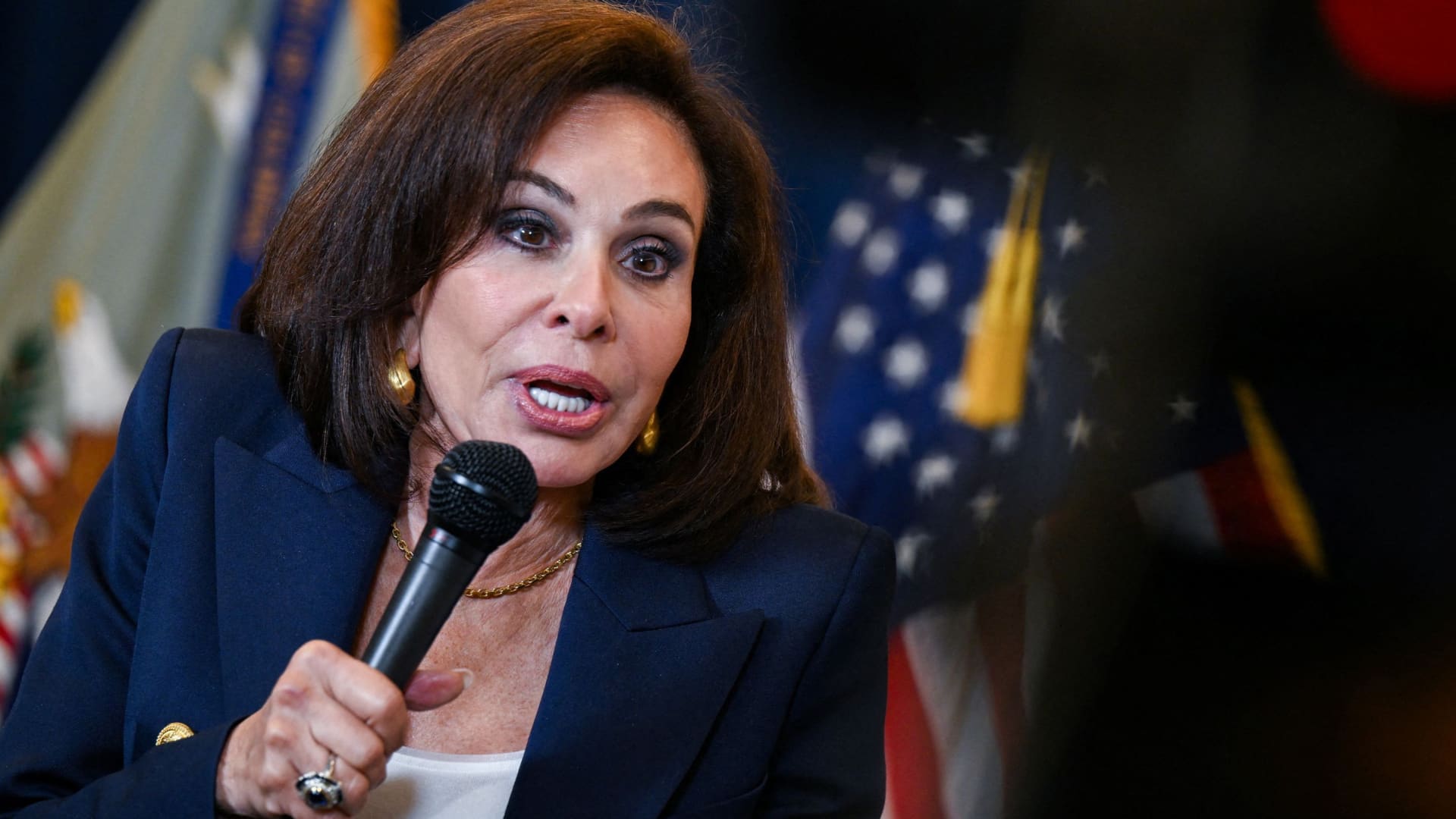
The future of the Federal Reserve’s leadership remains shrouded in uncertainty as a contentious criminal investigation into Chair Jerome Powell faces significant legal hurdles. U.S. Attorney Jeanine Pirro, who initiated the probe, has vowed to appeal a recent federal court ruling that quashed subpoenas issued to the central bank. Chief Judge James Boasberg dismissed the subpoenas, citing a lack of substantive evidence of wrongdoing, and subsequently denied a request for reconsideration, effectively stalling the investigation’s momentum.
The origins of the inquiry are deeply polarized. Powell has characterized the legal action as a retaliatory measure stemming from his refusal to bow to political pressure regarding interest rate policies. In contrast, the administration has pointed to alleged financial irregularities involving Federal Reserve building renovations as the basis for the investigation. Legal analysts suggest that the path forward for the prosecution is exceptionally difficult, noting that appellate courts are generally reluctant to intervene in pre-trial discovery disputes, especially when the prosecution admits it is still in the early fact-finding stages.
This legal stalemate has created a direct bottleneck for the confirmation of Kevin Warsh, who has been nominated to succeed Powell. Senator Thom Tillis has publicly committed to obstructing Warsh’s confirmation process until the investigation into the current chair reaches a definitive conclusion. Powell, whose term is set to expire on May 15, has signaled his intention to remain in an interim capacity until the matter is resolved, asserting that he will not step down until the investigation achieves full transparency. With a Senate Banking Committee hearing scheduled for April 16, the intersection of these legal and political pressures is expected to reach a critical turning point.
Key Takeaways
- A federal judge has quashed subpoenas in the investigation against Jerome Powell, citing a lack of evidence.
- The prosecution plans to appeal the ruling, though legal experts view the chances of success as slim.
- Senator Thom Tillis is blocking the confirmation of Kevin Warsh as the next Fed Chair until the investigation into Powell is fully resolved.
Editor’s Analysis & Impact
The ongoing legal battle surrounding Jerome Powell represents a rare and destabilizing collision between the executive branch and the independence of the Federal Reserve. By linking a criminal investigation to the confirmation process of a successor, the administration has effectively paralyzed the central bank’s leadership transition. From a market perspective, this uncertainty is detrimental; the Federal Reserve relies on perceived independence to maintain credibility in global financial markets. If the investigation continues to drag on, it risks politicizing monetary policy decisions and creating volatility in the bond and equity markets. The outcome of the upcoming Senate Banking Committee hearing will be a bellwether for whether the institution can maintain its traditional autonomy or if it will be forced into a new era of executive oversight and political entanglement.
Frequently Asked Questions
Q: Why is the confirmation of Kevin Warsh being delayed?
A: Senator Thom Tillis has pledged to block Warsh's confirmation until the criminal investigation into current Chair Jerome Powell is officially concluded.
Q: What was the basis for the judge's decision to quash the subpoenas?
A: Chief Judge James Boasberg quashed the subpoenas because the prosecution failed to provide meaningful evidence of wrongdoing, essentially treating the investigation as a fishing expedition.
AI Disclosure: This article is based on verified data and official reports. Our Team and AI have cross-referenced every financial detail with primary sources to ensure total accuracy.
More from this Category