The Silent Crisis: How Decades of Conflict are Scarring Iran’s Youth
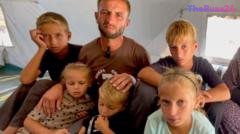
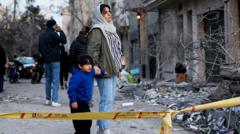
The psychological toll of sustained conflict in Iran has triggered a profound mental health crisis among the nation’s younger population. For many teenagers, the constant threat of airstrikes and pervasive environmental anxiety has led to a state of perpetual hyper-vigilance. Common everyday occurrences, such as a loud noise or a sudden movement, frequently trigger intense startle responses, signaling a widespread precursor to post-traumatic stress disorder (PTSD) among those who have lost their sense of domestic safety.
This mental health fallout is manifesting in various ways, including chronic sleep disturbances, persistent nightmares, and a noticeable decline in both social and academic development. In urban centers like Tehran, families are increasingly turning to support services as children exhibit severe emotional distress and behavioral shifts. The pervasive sense of instability has fostered a deep-seated hopelessness, making it difficult for young people to envision or plan for a stable future.
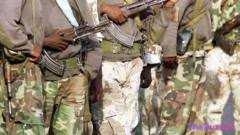
Compounding these psychological challenges is the growing trend of involving minors in state-led security and militia initiatives. By framing participation in security roles as a rite of passage, the state has effectively integrated children into the machinery of conflict. This practice, which includes children performing duties at checkpoints, has been widely condemned by human rights advocates as a violation of international standards regarding the protection of children during wartime.
Even if a permanent ceasefire is achieved, the long-term implications for this generation remain daunting. The cognitive and emotional damage inflicted by years of militarized childhood and constant instability poses a significant hurdle for future societal recovery. For the families of Iran, the struggle has evolved from mere physical survival to the complex task of attempting to shield a generation from a reality that has fundamentally altered their psychological development.
Key Takeaways
- Iranian youth are experiencing widespread psychological trauma, including hyper-vigilance and symptoms of PTSD.
- The mobilization of minors into security and militia roles is exacerbating the mental health crisis and violating international norms.
- The long-term cognitive and social development of an entire generation is at risk, regardless of potential ceasefires.
Editor’s Analysis & Impact
The psychological erosion of Iran’s youth represents a looming demographic and social crisis. While political stability is often measured by ceasefires and diplomatic treaties, the ‘invisible scars’ of war create a much more complex recovery process. The state-sanctioned involvement of minors in security roles not only violates international norms but also institutionalizes trauma, making it harder to de-escalate social tensions in the future. As these children enter adulthood, the lack of mental health infrastructure and the prevalence of untreated PTSD could lead to increased social instability, economic productivity loss, and a cycle of generational trauma. Addressing this requires more than just ending the violence; it necessitates a massive, sustained investment in mental health services and a complete decoupling of childhood from military involvement.
Frequently Asked Questions
Q: What are the primary psychological symptoms observed in Iranian children?
A: Children are exhibiting hyper-arousal, extreme startle responses, sleep disturbances, nightmares, and significant declines in social and educational development.
Q: Why is the involvement of minors in security roles a major concern?
A: The recruitment of children for militia and security duties is considered a violation of international law and significantly increases the risk of long-term psychological and emotional damage.
AI Disclosure: This article is based on verified data and official reports. Our Team and AI have cross-referenced every financial detail with primary sources to ensure total accuracy.
More from this Category