Humanitarian Emergency Deepens as Conflict Escalates Across Lebanon
A dramatic intensification of aerial bombardments across Lebanon has precipitated a severe humanitarian crisis, resulting in widespread destruction and a mounting death toll. Recent military strikes have claimed the lives of at least 303 individuals, with over 1,150 others sustaining injuries. The violence has spread rapidly, impacting diverse regions including the Bekaa Valley, southern Lebanon, and, notably, central Beirut, marking a significant and dangerous expansion of the ongoing hostilities.
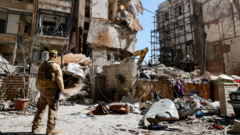
Military operations have focused on more than 100 locations identified as Hezbollah command centers and military infrastructure. The shift toward targeting sites within densely populated urban centers has raised urgent alarms regarding the safety of non-combatants. Emergency responders are currently engaged in a desperate search for survivors amidst the rubble of collapsed residential structures, while local hospitals report being overwhelmed by the influx of casualties.
This surge in violence follows the collapse of recent international efforts to secure a temporary ceasefire. With the total death toll in Lebanon now exceeding 1,700 since the conflict’s recent intensification, the situation remains dire. Despite ongoing attempts by global mediators to facilitate a diplomatic resolution, military actions continue to proceed, leaving the region in a state of profound instability and uncertainty.
Key Takeaways
- Aerial strikes have resulted in over 300 deaths and 1,150 injuries across multiple Lebanese regions.
- The conflict has expanded into densely populated urban areas, including central Beirut, targeting Hezbollah infrastructure.
- Diplomatic ceasefire negotiations have stalled, leading to a continued escalation of military operations.
Editor’s Analysis & Impact
The recent escalation in Lebanon marks a critical shift from localized border skirmishes to a broader, high-intensity military campaign that threatens the stability of the entire Levant. By targeting command infrastructure within densely populated urban centers, the conflict has entered a phase where the distinction between military objectives and civilian impact is increasingly blurred. Geopolitically, this volatility introduces significant risks to regional energy security and trade corridors. The failure of diplomatic channels to establish a ceasefire indicates that both sides are currently prioritizing military attrition over political compromise. Looking ahead, the sustainability of this strategy is highly questionable; historical precedents suggest that such campaigns often struggle to achieve long-term security goals, instead fostering deeper cycles of radicalization and regional instability that may prove difficult to reverse.
Frequently Asked Questions
Q: What is the impact of the recent strikes on the civilian population?
A: The strikes have caused significant casualties, with over 300 deaths and 1,150 injuries reported, and have heavily impacted residential areas in Beirut and southern Lebanon.
Q: Why hasn't a ceasefire been established?
A: Recent international mediation efforts have failed to secure a pause in fighting, as military operations against Hezbollah are being conducted separately from broader diplomatic discussions.
AI Disclosure: This article is based on verified data and official reports. Our Team and AI have cross-referenced every financial detail with primary sources to ensure total accuracy.
More from this Category