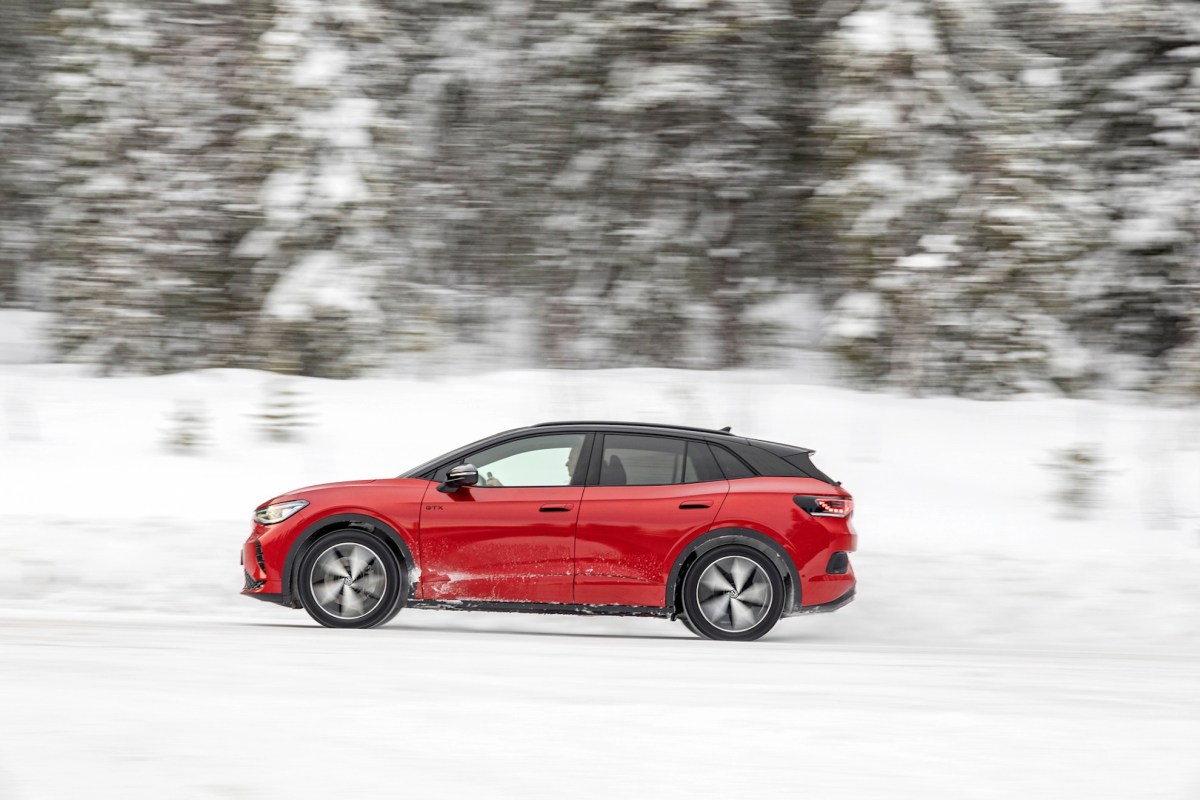
Volkswagen Shifts Gears: Chattanooga Plant Pivots from ID.4 to Next-Gen Atlas SUV
Volkswagen is officially ending production of its all-electric ID.4 SUV at its manufacturing facility in Chattanooga, Tennessee. The strategic decision marks a significant pivot for the German automaker, which is reallocating its domestic resources to prioritize the production of high-volume internal combustion engine vehicles, specifically the upcoming second-generation Atlas SUV. While the ID.4 will no longer be manufactured locally, the company confirmed that existing inventory will remain available to U.S. consumers through 2027.
This move reflects a broader industry trend as major manufacturers recalibrate their transition timelines toward battery-electric vehicles. Despite initial optimism, market demand for EVs has faced headwinds, exacerbated by the expiration of federal tax incentives and shifting consumer preferences. The ID.4, which saw fluctuating sales performance over the past few years, serves as a case study for the challenges legacy automakers face in balancing electrification goals with immediate market profitability.
Despite the cessation of ID.4 production, Volkswagen maintains that the Chattanooga plant remains a vital component of its North American operations. The facility is currently preparing for the launch of the 2027 model year Atlas, with production scheduled to begin this summer. To support this transition, the company is reassigning staff to Atlas-related roles, while offering early retirement packages to others. Although the company has hinted at a potential future return of an electric model to the U.S. market, any such development will likely depend on achieving greater affordability and aligning with evolving consumer demand.
Key Takeaways
- Volkswagen is halting U.S. production of the ID.4 electric SUV to focus on the next-generation gas-powered Atlas.
- The decision follows inconsistent sales performance and a broader industry cooling toward aggressive EV transition timelines.
- The Chattanooga plant will retain its workforce through reassignments and early retirement offers as it prepares for the 2027 Atlas launch.
Editor’s Analysis & Impact
Volkswagen’s decision to prioritize the Atlas SUV over the ID.4 highlights a pragmatic shift in the automotive sector. Legacy manufacturers are increasingly realizing that the ‘all-in’ approach to electrification is being tempered by economic realities, including high interest rates, the loss of federal subsidies, and a consumer base that remains hesitant due to price points. By focusing on the Atlas—a proven, high-volume seller—Volkswagen is securing its immediate revenue streams and operational stability in the U.S. market. This move suggests that the future of the EV transition will be more incremental than previously projected, with automakers likely waiting for battery costs to drop and charging infrastructure to mature before committing to large-scale domestic EV production again. The long-term implication is a hybrid strategy where internal combustion engines continue to subsidize the slow, steady development of electric portfolios.
Frequently Asked Questions
Q: Can I still buy a Volkswagen ID.4 in the U.S.?
A: Yes, Volkswagen has confirmed that existing inventory of the ID.4 will remain available for purchase at dealerships through 2027.
Q: What will happen to the employees currently working on the ID.4 line?
A: Employees previously assigned to ID.4 production will be transferred to roles supporting the new Atlas SUV production, with some workers being offered early retirement options.
AI Disclosure: This article is based on verified data and official reports. Our Team and AI have cross-referenced every financial detail with primary sources to ensure total accuracy.
More from this Category