The End of the Click: How Sierra is Transforming Enterprise Software with AI Agents
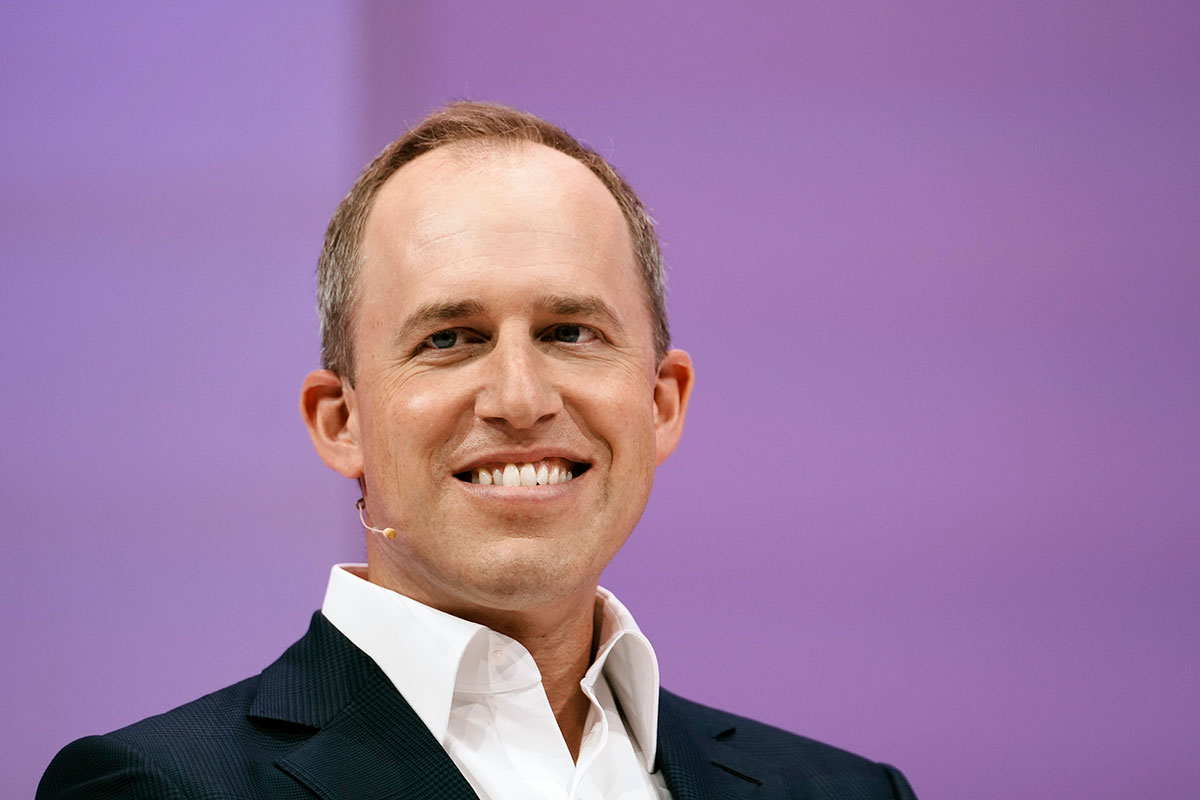
The enterprise software sector is undergoing a fundamental shift, moving away from the rigid, manual-heavy interfaces that have defined workplace productivity for decades. Under the leadership of CEO Bret Taylor, Sierra is spearheading this transition by replacing complex, click-intensive navigation with intent-based systems powered by natural language. This evolution marks a departure from software that waits for human commands toward proactive systems that anticipate and execute operational requirements autonomously.
Central to this innovation is Sierra’s ‘agent-as-a-service’ model. This platform allows organizations to translate high-level business goals into plain language, enabling AI to design and manage intricate workflows across critical departments such as payroll and human resources. By eliminating the need for extensive software training and steep learning curves, the platform democratizes data access, allowing employees at all levels to manage sophisticated operations through simple, conversational interactions.
The practical effectiveness of this model is already evident in the corporate sector. A recent collaboration with Nordstrom saw a custom AI agent deployed in under 30 days, highlighting the platform’s agility. This rapid implementation has propelled Sierra to a $10 billion valuation and a $100 million annual revenue run rate in less than two years, reflecting a strong market appetite for outcome-oriented AI solutions over traditional, legacy software suites.
Despite the rapid adoption of these autonomous agents, the industry remains in a transitional phase. While the reliance on traditional visual interfaces is diminishing, the integration of these systems still demands significant technical oversight. Forward-deployed engineering talent remains a vital component of the infrastructure, ensuring that logic flows remain accurate and reliable as companies move toward more intuitive, automated workflows.
Key Takeaways
- Sierra is replacing traditional, click-heavy enterprise software interfaces with intent-based, natural language AI agents.
- The platform's 'agent-as-a-service' model allows businesses to automate complex workflows in departments like HR and payroll through simple conversation.
- Despite rapid growth and a $10 billion valuation, the technology still requires human engineering oversight to ensure accuracy and operational integrity.
Editor’s Analysis & Impact
The rise of Sierra signals a broader market pivot toward ‘outcome-based’ software. For decades, enterprise productivity was hampered by the complexity of the tools themselves, forcing employees to become experts in navigation rather than their actual jobs. By abstracting the interface, Sierra is effectively commoditizing the ‘how’ of business operations, allowing companies to focus entirely on the ‘what.’ The industry impact is profound: legacy software providers that rely on lock-in through complex UI/UX are now facing an existential threat from agile, agent-based competitors. Looking ahead, the success of this model will depend on the industry’s ability to scale these agents without compromising security or accuracy. As the ‘human-in-the-loop’ requirement gradually diminishes, we can expect a massive surge in corporate efficiency, though it will necessitate a significant shift in the IT labor market toward AI orchestration and oversight.
Frequently Asked Questions
Q: What is the core value proposition of Sierra's platform?
A: Sierra replaces traditional, complex software interfaces with natural language AI agents that can autonomously execute business workflows, making enterprise tools more accessible and efficient.
Q: Does the use of Sierra's AI agents eliminate the need for technical staff?
A: No. While the platform simplifies user interaction, it currently requires forward-deployed engineering talent to manage logic flows and ensure the accuracy of the autonomous agents.
AI Disclosure: This article is based on verified data and official reports. Our Team and AI have cross-referenced every financial detail with primary sources to ensure total accuracy.
More from this Category