Building a Financial Fortress: Strategies to Shield Your Savings from Emergencies
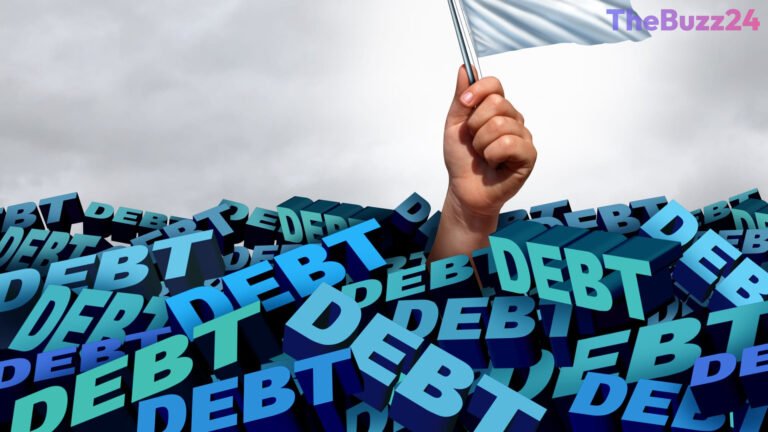
Financial instability often stems from a single, unforeseen event that disrupts a household’s budget. Whether it involves urgent home repairs, sudden medical bills, or essential vehicle maintenance, these unexpected costs frequently force individuals into long-term credit card debt. Statistics suggest that nearly 41% of those carrying credit card balances point to emergency expenses as the primary catalyst for their debt, with many struggling to clear these balances for over a year. Establishing a robust financial buffer is the most effective way to prevent temporary setbacks from evolving into permanent fiscal burdens.
One proven method for managing these costs is to create a clear separation between primary checking accounts and emergency savings. Utilizing high-yield savings accounts (HYSAs) through online institutions can provide superior returns while adding a layer of friction that discourages impulsive spending. By automating transfers from each paycheck, individuals can steadily grow a safety net without manual intervention. Institutions such as Western Alliance Bank and EverBank offer competitive annual percentage yields and low-fee structures, making them practical choices for those looking to maximize their emergency funds.
Modern technology also provides powerful tools to monitor cash flow and optimize spending habits. Expense tracking applications like PocketGuard and Monarch allow users to aggregate financial data from various institutions into a single, intuitive dashboard. These platforms offer deep insights into recurring subscriptions and spending patterns, enabling users to redirect funds toward savings goals. By setting custom spending limits and utilizing automated alerts, individuals can maintain tighter control over their monthly budgets and better prepare for the inevitable rainy day.
Finally, establishing a relationship with a credit union can offer a significant advantage during financial crises. As member-owned, non-profit organizations, credit unions are often more flexible than traditional banks and may provide personal or emergency bridge loans at more favorable interest rates. Organizations like Alliant Credit Union and Consumers Credit Union provide robust banking services, including high-yield options and lower fees. While joining these institutions may require a nominal membership fee, the long-term benefits of having a supportive financial partner can be invaluable when navigating unexpected economic challenges.
Key Takeaways
- Emergency expenses are a leading cause of long-term credit card debt, affecting over 40% of balance-carrying consumers.
- Automating transfers into high-yield savings accounts creates a financial buffer while discouraging impulsive spending.
- Leveraging financial technology and credit unions can provide better oversight and more favorable loan terms during times of crisis.
Editor’s Analysis & Impact
The shift toward digital-first banking and automated personal finance management represents a significant evolution in how consumers handle economic volatility. As inflation and cost-of-living pressures persist, the reliance on traditional, high-fee banking models is waning in favor of high-yield online institutions and credit unions. The integration of AI-driven expense tracking apps like PocketGuard and Monarch signals a broader trend toward ‘financial mindfulness,’ where data-driven insights replace manual budgeting. Looking ahead, the industry will likely see increased competition between traditional banks and credit unions, forcing legacy institutions to lower fees and improve digital interfaces to retain customers. For the average consumer, the ability to build a liquid emergency fund through automated, low-friction systems is no longer just a luxury, but a fundamental requirement for long-term financial health in an unpredictable economic climate.
Frequently Asked Questions
Q: Why is it better to keep emergency savings in a separate account?
A: Keeping emergency funds in a separate high-yield savings account creates 'friction,' which helps prevent you from accidentally spending that money on daily expenses or impulse purchases.
Q: Are credit unions better than traditional banks for emergency loans?
A: Credit unions are often more flexible because they are non-profit and member-owned, which frequently allows them to offer lower interest rates and more personalized service on emergency bridge loans compared to large, traditional banks.
AI Disclosure: This article is based on verified data and official reports. Our Team and AI have cross-referenced every financial detail with primary sources to ensure total accuracy.
More from this Category