7-Eleven Data Breach Compromises Personal Records of 185,000 Individuals
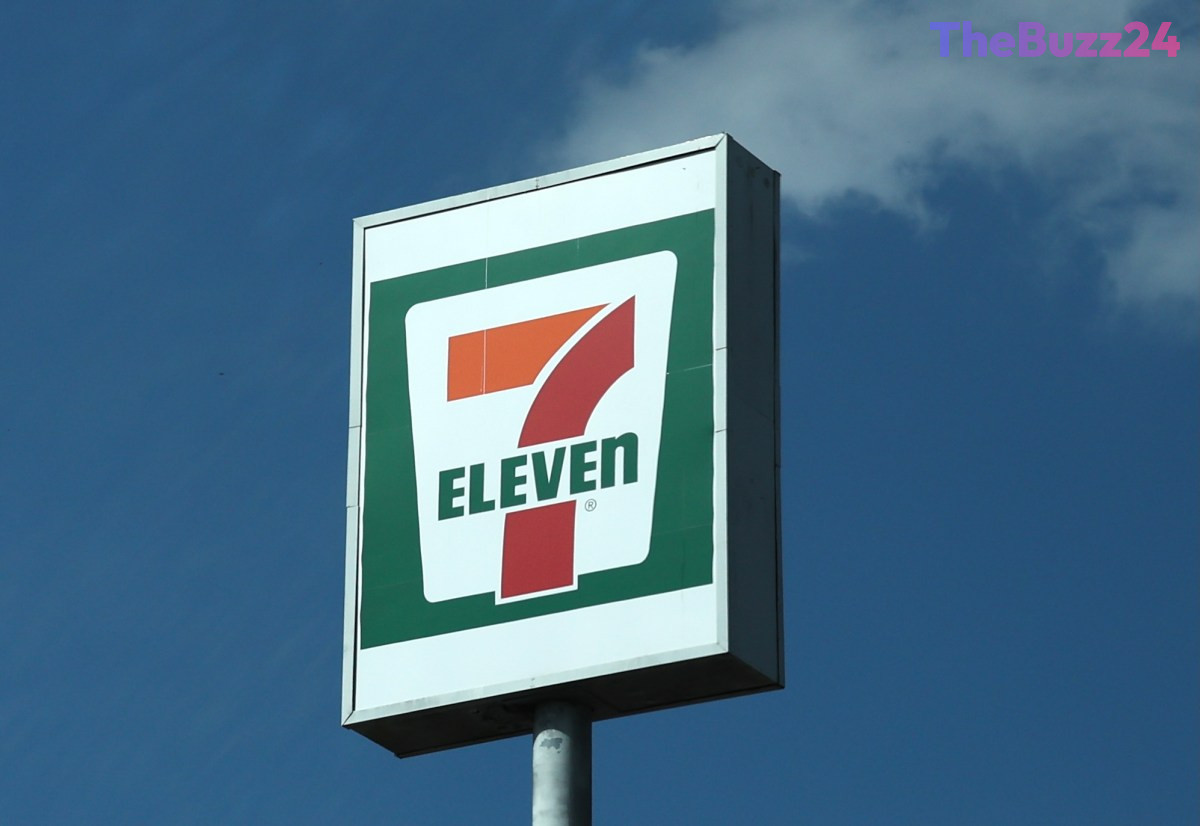
Convenience store chain 7-Eleven is currently managing the aftermath of a major cybersecurity incident that resulted in the unauthorized exposure of sensitive personal data belonging to approximately 185,000 people. The breach originated from unauthorized access to internal servers, specifically those housing documentation related to the company’s extensive franchisee network.
Official filings in Maine and Massachusetts have confirmed that the compromised information goes well beyond basic contact details. The stolen records include highly sensitive identifiers, such as Social Security numbers and driver’s license information. This level of exposure significantly elevates the risk of identity theft and financial fraud for those impacted by the security failure.
The cyberattack has been linked to the hacking collective ShinyHunters. Following the infiltration, the group attempted to extort the retail giant, threatening to leak the private data unless a ransom was paid. This incident underscores the growing threat landscape facing large retail organizations, which often manage vast, interconnected databases that become high-value targets for sophisticated criminal syndicates.
Key Takeaways
- A security breach at 7-Eleven has exposed the personal data of 185,000 individuals, including Social Security numbers and driver's license details.
- The hacking group ShinyHunters claimed responsibility for the attack and attempted to extort the company.
- The breach specifically targeted internal servers containing sensitive franchisee-related documentation.
Editor’s Analysis & Impact
The 7-Eleven data breach serves as a stark reminder of the persistent vulnerabilities within large-scale retail infrastructure. By targeting franchisee-specific servers, attackers are exploiting the decentralized nature of retail operations, where data management can often be fragmented. The involvement of a known entity like ShinyHunters highlights a shift toward aggressive extortion tactics, where stolen data is used as leverage rather than just being sold on the dark web. For the retail industry, this incident emphasizes the urgent need for enhanced encryption, stricter access controls, and robust incident response protocols. As cyber threats evolve, companies must move beyond perimeter defense and adopt a ‘zero-trust’ architecture to protect sensitive records from both internal and external threats, ensuring that a single server compromise does not lead to a widespread data catastrophe.
Frequently Asked Questions
Q: What specific information was compromised in the 7-Eleven breach?
A: The breach exposed names, physical addresses, Social Security numbers, and driver’s license information.
Q: Who is responsible for the 7-Eleven cyberattack?
A: The attack has been attributed to the hacking collective known as ShinyHunters, who attempted to extort the company for the stolen data.
AI Disclosure: This article is based on verified data and official reports. Our Team and AI have cross-referenced every financial detail with primary sources to ensure total accuracy.
More from this Category