A Decade Later: Why Hillary Clinton’s ‘Pokémon Go to the Polls’ Still Haunts Election Day
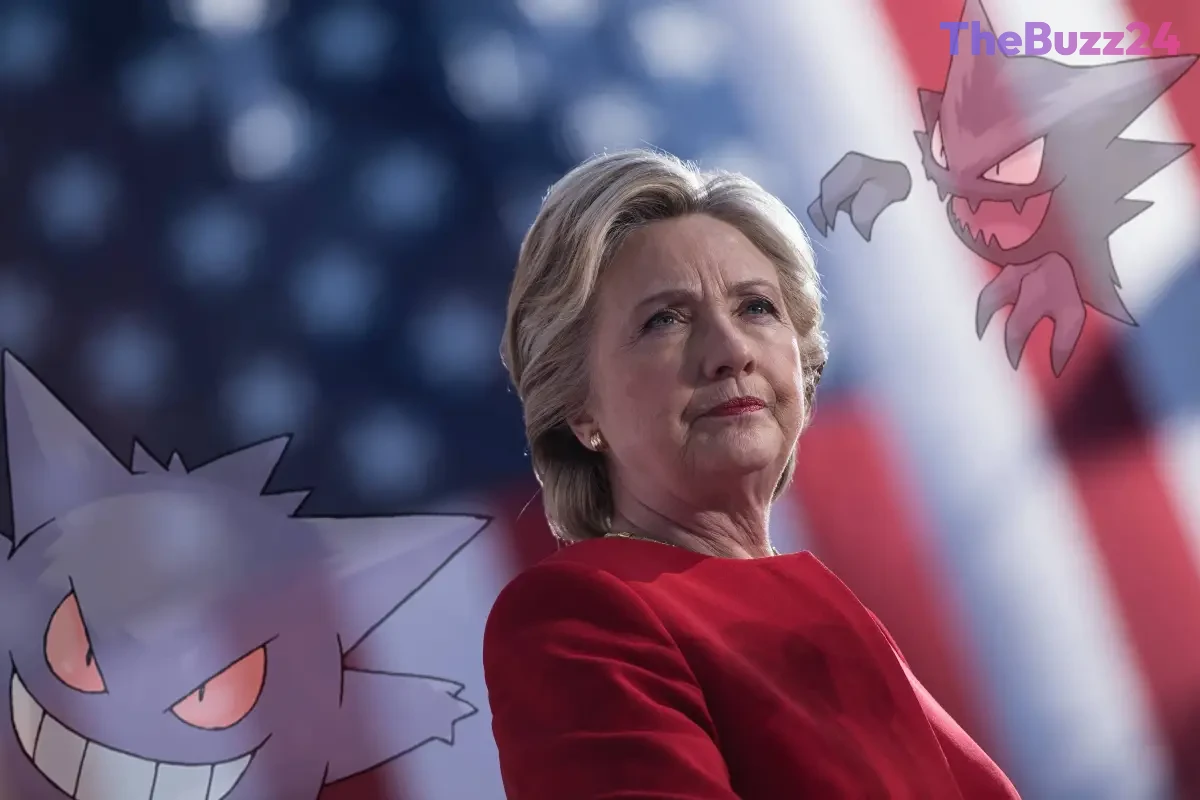
Ten years after Hillary Clinton famously uttered the phrase “Pokémon Go to the polls” during a presidential campaign rally in Virginia, the awkward soundbite remains a permanent fixture of American internet culture, resurfacing reliably every Election Day. At the time, the attempt to bridge traditional political campaigning with the viral augmented reality game was widely viewed as corny and out-of-touch, establishing a classic moment of millennial cringe that continues to amuse voters across the political spectrum.
Over the past decade, the relationship between digital culture and American politics has undergone a profound transformation. Political campaigns have evolved to heavily incorporate memes, utilize social media influencers, and engage directly with younger demographics through platforms like TikTok and specialized digital aesthetics—best exemplified by the recent “brat” meme phenomenon surrounding subsequent campaigns. Meanwhile, the broader internet landscape has shifted dramatically away from the relatively unified social media ecosystem of 2016 toward a fragmented, algorithmic experience heavily influenced by artificial intelligence and shifting ownership dynamics.
Despite the passage of time and the radical evolution of digital media, the enduring legacy of the viral gaffe lies in its unique ability to unite voters in shared nostalgia and gentle mockery. For critics on the right, it serves as an easy punchline, while for those on the left, it represents a shared groan of embarrassment over aging political figures attempting to connect with youth culture. Ultimately, the recurring meme functions as both a humorous reminder of a bygone internet era and a cynical, yet earnest, rallying cry urging citizens to head to the ballot box.
Key Takeaways
- Hillary Clinton's 2016 'Pokémon Go to the polls' remark has become an enduring Election Day meme a decade after its creation.
- The phrase highlights the awkward intersection of mainstream politics and internet culture during a pivotal era for digital media.
- Modern political campaigns have since evolved to fully embrace meme culture, influencer partnerships, and platform-specific aesthetics like the 'brat' trend.
Editor’s Analysis & Impact
The longevity of political internet memes highlights a permanent shift in how modern electorates consume and engage with political campaigns. What began as an awkward, tone-deaf campaign outreach strategy in 2016 has evolved into a sophisticated playbook where candidates actively court digital creators and weaponize algorithmic trends. This evolution underscores a broader media trend: political communication can no longer rely solely on traditional broadcasting; it must navigate the fickle, fast-paced world of digital satire and viral culture. As younger generations who grew up on social media assume a larger share of the electorate, the boundary between internet meme formats and serious political messaging will continue to blur, permanently altering how political figures build rapport and mobilize voters.
Frequently Asked Questions
Q: When did Hillary Clinton say 'Pokémon Go to the polls'?
A: The phrase was spoken by Hillary Clinton during a presidential campaign rally in Virginia in the lead-up to the 2016 United States presidential election.
Q: Why does the phrase still trend on Election Day?
A: It continues to trend because it represents a quintessential moment of millennial political cringe that resonates across party lines—used by the right to mock Democrats and by the left as a shared joke about out-of-touch politicians.
Q: How has political campaign marketing changed since 2016?
A: Political campaigns have shifted from simply acknowledging internet culture to deeply integrating it, utilizing meme managers, content creators, platform-specific aesthetics, and direct social media engagement to reach younger voters.
AI Disclosure: This article is based on verified data and official reports. Our Team and AI have cross-referenced every financial detail with primary sources to ensure total accuracy.
More from this Category