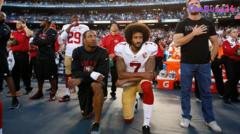
A Decade of Defiance: Colin Kaepernick Reflects on the Cost of His Protest
Ten years after his decision to kneel during the national anthem sparked a global conversation on racial injustice, former NFL quarterback Colin Kaepernick remains steadfast in his convictions. The act, which began in 2016 as a silent protest against police brutality and systemic inequality, effectively ended his professional football career but cemented his legacy as a pivotal figure in modern civil rights activism. Reflecting on the past decade, Kaepernick maintains that he has no regrets, despite the professional exile and intense public backlash he endured.
Kaepernick’s protest, which saw him kneel before 11 regular-season games, drew sharp condemnation from political figures, including Donald Trump, who labeled the act unpatriotic and suggested that players who refused to stand should be fired. The NFL initially struggled to navigate the controversy, eventually implementing policies that were later criticized as suppressive. Although Kaepernick opted out of his contract with the San Francisco 49ers in 2017, he never signed with another team, leading him to file a grievance against the league that resulted in a 2019 financial settlement.
Beyond the gridiron, Kaepernick’s influence expanded as his gesture was adopted by athletes worldwide, most notably during the Black Lives Matter movement. While he acknowledges that the momentum of athlete activism has faced challenges in recent years due to institutional pushback, he argues that the current global climate demands even more vocal advocacy. He rejects the notion that sports and politics should remain separate, pointing to the financial ties between professional leagues, government funding, and political endorsements as evidence that the two are inextricably linked.
Now 38, Kaepernick continues his advocacy through his ‘Know Your Rights’ campaign and the publication of his memoir, ‘The Perilous Fight.’ While he maintains his physical training in the slim hope of a return to the NFL, his focus has largely shifted toward philanthropy and education. He views his journey not as a singular moment of defiance, but as the culmination of a lifetime of confronting systemic inequality, and he remains committed to the pursuit of a more equitable society.
Key Takeaways
- Colin Kaepernick stands by his 2016 decision to kneel during the national anthem, viewing it as a necessary stand against racial injustice despite the end of his NFL career.
- The protest sparked a massive cultural debate, leading to a 2019 legal settlement with the NFL and influencing global athlete activism.
- Kaepernick argues that sports are inherently political and that athletes have a responsibility to use their platforms to address societal inequities.
Editor’s Analysis & Impact
Colin Kaepernick’s legacy represents a watershed moment in the intersection of professional sports and social activism. His actions forced a reckoning within the NFL, highlighting the tension between corporate interests and the personal convictions of athletes. From a market perspective, the incident demonstrated the financial risks brands face when aligning with polarizing figures, as seen in the backlash against Nike’s 2018 campaign. However, it also signaled a shift in consumer expectations, where fans increasingly demand that public figures take stances on social issues. Looking forward, Kaepernick’s influence serves as a blueprint for future athlete-activists. While the intensity of the initial movement has ebbed, the precedent set by his protest ensures that the ‘stick to sports’ narrative is no longer a viable defense for leagues or organizations facing scrutiny over their social impact.
Frequently Asked Questions
Q: Why did Colin Kaepernick start kneeling during the national anthem?
A: Kaepernick began kneeling in 2016 to protest racial injustice and police brutality in the United States, stating he could not show pride in a flag for a country that oppressed people of color.
Q: Did Colin Kaepernick ever return to the NFL?
A: No, despite maintaining his fitness and expressing a desire to play, Kaepernick has not been signed by an NFL team since he opted out of his contract with the San Francisco 49ers in 2017.
AI Disclosure: This article is based on verified data and official reports. Our Team and AI have cross-referenced every financial detail with primary sources to ensure total accuracy.
More from this Category