A Mother’s Crusade: How One Woman Escaped Iran to Fight the Regime After Her Teenage Daughter Was Killed
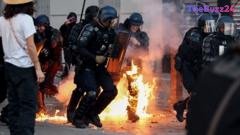
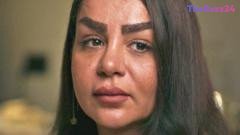
The landscape of dissent in Iran has produced countless stories of heartbreak, but few are as searing as that of Samira, a mother whose life was irrevocably altered when security forces shot dead her 16-year-old daughter, Sevda. Amid nationwide protests that erupted following widespread economic discontent and subsequent geopolitical clashes involving the US and Israel, Sevda joined thousands taking to the streets to voice their opposition to the ruling government. The demonstrations, which swelled on the outskirts of Tehran, were met with severe force by authorities, culminating in a tragic day when a sniper’s bullet pierced the young girl’s heart.
Following the fatal shooting, Samira’s grief quickly morphed into an unyielding resolve. Navigating the harrowing aftermath, she faced systemic bureaucratic hurdles and intimidation as she searched for her daughter’s body among piled corpses in a crowded Tehran morgue. Authorities allegedly attempted to coerce grieving families into blaming foreign actors for the deaths, promising government perks in exchange for silence. Refusing to trade her child’s memory for state-sanctioned lies, Samira made the perilous journey across treacherous mountainous terrain on foot, successfully escaping Iran to live abroad in hiding.
Now operating from exile, Samira has dedicated her life to seeking accountability, describing herself as a relentless force against the regime. She utilizes online platforms to publicly name the security personnel and officials she holds responsible for the bloodshed during the January uprisings, even as she faces severe legal charges in absentia and ongoing threats to her remaining family members. Despite the immense personal toll and the constant danger to her safety, she remains steadfast in her mission to ensure that the voices of those lost in the crackdowns are never silenced.
Key Takeaways
- A grieving Iranian mother successfully fled her country on foot after her 16-year-old daughter was killed by security forces during anti-government protests.
- Despite facing state coercion, harassment, and charges in absentia, the mother has used exile to publicly expose the names of officials and security members linked to the crackdown.
- Human rights groups estimate thousands of protesters were killed during the period of civil unrest and subsequent military escalations.
Editor’s Analysis & Impact
The harrowing account of Samira highlights the deep-seated humanitarian and political crisis within Iran, shedding light on the human cost of civil unrest and state-sponsored crackdowns. As dissidents continue to organize and speak out from exile, the use of digital platforms to bypass state media control represents a shifting paradigm in modern activism. This ongoing clash between emboldened citizens seeking accountability and a heavily armed regime points toward protracted internal instability. For the international community, these narratives complicate diplomatic engagements and underscore the severe risks faced by human rights defenders challenging authoritarian structures in the region.
Frequently Asked Questions
Q: Why did the protests begin in Iran?
A: The demonstrations initially sparked due to severe economic discontent before escalating into broader calls for an end to the Islamic Republic and its restrictive laws.
Q: How did Samira manage to leave Iran?
A: After refusing to comply with state demands to falsely blame foreign actors for her daughter's death, Samira used people smugglers to navigate dangerous mountainous terrain and rivers on foot to escape.
Q: What is Samira's current mission in exile?
A: She is actively publishing the names of Iranian security personnel and officials she believes were responsible for the deaths of protesters, aiming to secure justice and accountability.
AI Disclosure: This article is based on verified data and official reports. Our Team and AI have cross-referenced every financial detail with primary sources to ensure total accuracy.
More from this Category