The Polling Paradox: Can Data Predict the Outcome of the US Midterms?
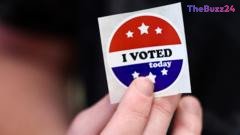
As the midterm elections approach, political analysts and the public alike are scrutinizing polling data to forecast the balance of power in Congress. With the current administration facing low approval ratings and voters expressing frustration over economic pressures, historical trends suggest a challenging night for the incumbent party. Current surveys indicate that Democrats hold leads in numerous House districts and remain competitive in several high-stakes Senate races, fueling optimism for a potential shift in legislative control.
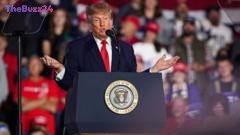
However, the reliability of these projections remains a subject of intense debate. Recent American political history has been marked by significant polling discrepancies, where candidates—most notably Donald Trump—have outperformed expectations despite unfavorable survey data. Experts point to the increasing difficulty of reaching voters, as landline usage declines and a growing segment of the population, particularly those with anti-establishment views, becomes increasingly reluctant to participate in surveys. This trend raises concerns that polling models may systematically undercount certain demographics, potentially skewing results.
Beyond the technical challenges of data collection, the political landscape itself has become more rigid. Increased polarization has led to a ‘calcified’ electorate with fewer swing voters, while redistricting has reduced the number of competitive seats. Furthermore, the unpredictability of voter turnout, particularly among those who do not typically participate in elections, continues to complicate the efforts of pollsters. While aggregate polling averages are generally considered more reliable than individual surveys, the inherent uncertainty of human behavior ensures that the final results may still hold surprises.
Ultimately, while polling provides a snapshot of public sentiment, it is not a definitive crystal ball. As campaigns enter their final stages, the focus shifts to whether late-breaking shifts among undecided voters or unexpected turnout patterns will align with the current data. For now, both parties are operating under the assumption that the margins are thin enough that every vote will be decisive in determining the future of the legislative agenda.
Key Takeaways
- Polling accuracy is increasingly challenged by the difficulty of reaching voters and the reluctance of anti-establishment groups to participate in surveys.
- Historical trends show that midterm elections are often volatile, and even small polling errors can determine the outcome of tight races.
- Increased political polarization and redistricting have reduced the number of swing voters, making the electorate more calcified and harder to predict.
Editor’s Analysis & Impact
The ongoing struggle to accurately poll the American electorate reflects a broader crisis in data-driven political forecasting. As the industry grapples with declining response rates and the ‘Trump effect’—where non-traditional voters defy conventional modeling—the gap between statistical projections and electoral reality has widened. This uncertainty forces campaigns to rely more heavily on internal data and grassroots mobilization rather than public polling aggregates. Looking ahead, the industry will likely shift toward more sophisticated weighting models that account for voter enthusiasm and anti-establishment sentiment. However, until pollsters can effectively capture the behavior of the most disaffected segments of the population, the risk of significant ‘polling misses’ will remain a permanent feature of the US political landscape, impacting how parties allocate resources and frame their final campaign strategies.
Frequently Asked Questions
Q: Why do polls sometimes fail to predict election results accurately?
A: Polls can fail due to difficulty in reaching representative samples, declining response rates, and the challenge of accurately modeling voter turnout, especially among non-traditional or anti-establishment voters.
Q: What does a 'calcified' electorate mean in the context of US politics?
A: A calcified electorate refers to a highly polarized voting population where there are very few swing voters, making it difficult for candidates to flip seats that were previously considered competitive.
AI Disclosure: This article is based on verified data and official reports. Our Team and AI have cross-referenced every financial detail with primary sources to ensure total accuracy.
More from this Category