Trump Rallies in Final Push as Midterm Elections Loom
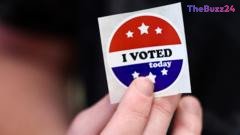
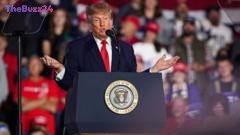
As the crucial midterm elections approach, President Donald Trump intensified his campaign efforts over the final weekend, holding rallies in key states to galvanize support and urge voters to maintain Republican control of Congress. The President visited Florida, Iowa, and Kansas, states he previously won, signaling a defensive strategy for the Republican party ahead of Tuesday’s vote.
Facing voter concerns about the rising cost of living, Trump aimed to redirect attention by criticizing Democratic proposals, warning they could lead to financial hardship for American families. Polls indicate a strong possibility of Democrats securing at least partial control of Congress, which would significantly impact the President’s legislative agenda and potentially alter the trajectory of his administration.
Throughout the weekend, Trump’s message focused on his administration’s achievements, contrasting them with what he described as a ‘dark age’ prior to his presidency. He highlighted policies on trade and immigration, while also employing strong rhetoric against Democrats, accusing them of advocating for open borders and threatening gun ownership and parental rights. These rallies, held in states once considered reliably Republican, underscored the competitive nature of the upcoming elections and their importance in determining the balance of power in Washington.
Meanwhile, Democratic leaders expressed confidence in their party’s prospects, with forecasting models suggesting a high probability of winning control of the House of Representatives and a significant chance of taking the Senate. The election outcomes are seen as a referendum on the President’s performance, with historical trends often showing the party holding the White House losing seats in Congress during midterm elections. The ability of either party to control Congress will have direct implications on policy-making, investigations into the administration, and the broader political landscape.
Key Takeaways
- President Trump held campaign rallies in Florida, Iowa, and Kansas during the final weekend before the midterm elections.
- Trump focused his message on economic issues and attacked Democratic proposals, while polls suggest Democrats have a strong chance of gaining control of Congress.
- The midterm election results are viewed as a measure of President Trump's performance and will significantly impact his administration's ability to pass legislation.
Editor’s Analysis & Impact
The final weekend campaign push by President Trump underscores the high stakes of the midterm elections for his administration. The focus on economic anxieties and sharp attacks on Democratic policies reflects a strategy to energize the Republican base and counter potential voter dissatisfaction. The outcome will have profound implications, potentially leading to legislative gridlock or enabling Democrats to exert significant oversight on the President’s agenda. Historically, midterms present a challenge for the incumbent party, and the results will shape the political landscape for the remainder of Trump’s term and influence future presidential aspirations.
Frequently Asked Questions
Q: What are the US midterm elections?
A: US midterm elections are general elections held two years into a president's four-year term. They determine which party controls Congress, with all 435 House of Representatives seats and about one-third of the Senate seats up for election.
Q: Why are midterm elections important for a President?
A: Midterm elections are often seen as a referendum on the sitting president's performance. The results can significantly impact the president's ability to pass legislation, as control of Congress dictates the legislative agenda and the potential for oversight investigations.
Q: What are the potential consequences if Democrats gain control of Congress?
A: If Democrats gain control of Congress, they could block President Trump's legislative initiatives, launch investigations into his administration, and shape policy debates, particularly in areas like healthcare, immigration, and the economy, potentially setting the stage for future elections.
AI Disclosure: This article is based on verified data and official reports. Our Team and AI have cross-referenced every financial detail with primary sources to ensure total accuracy.
More from this Category